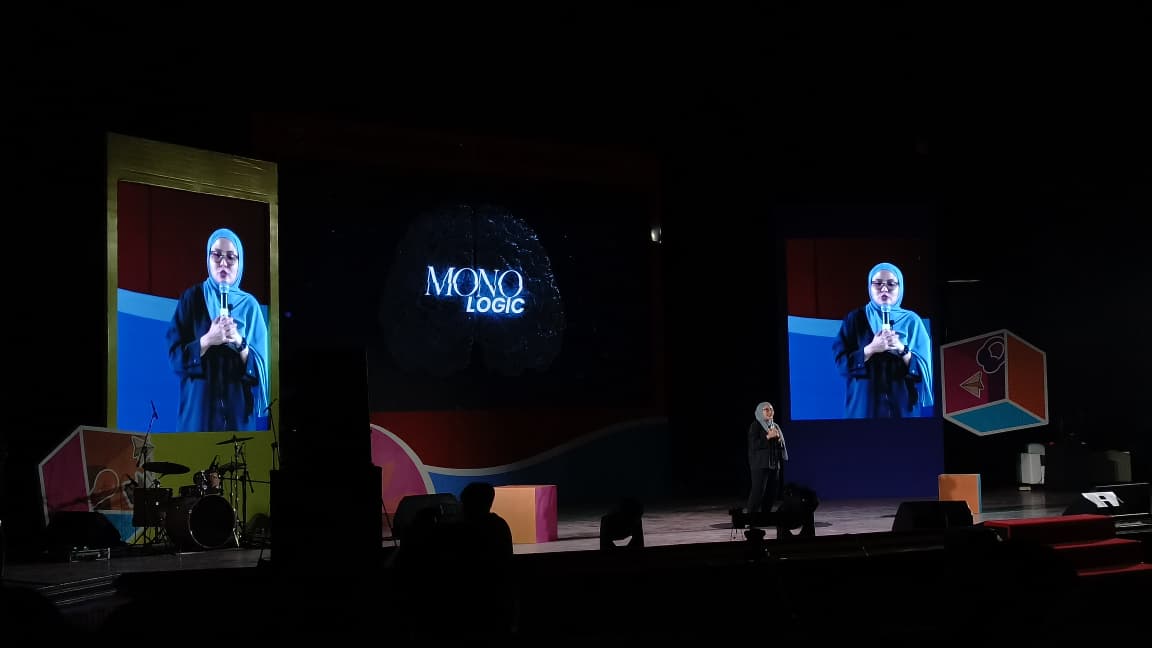

The importance of the role of the younger generation in bringing about social change, especially amid the major challenges currently facing Indonesia. Based on data from Statistics Indonesia in February 2025, the number of unemployed people reached 7.28 million. This condition shows that development is still not fully equitable and sustainable. However, Indonesia has a huge asset in the form of a demographic bonus, with more than 64% of the population being of productive age until 2030. This generation is not just a statistic, but an energy for change enriched by access to technology, creativity, and extensive social networks.
One of the main ideas offered is the concept of restorative economics. This concept focuses not only on reducing damage but also on the comprehensive restoration of environmental, social, and economic aspects. Restorative economic practices can be realized through a digital system that connects waste producers, informal workers, and recyclers, so that resources that are usually wasted can create new economic value. Thus, this approach not only solves environmental problems but also creates jobs and empowers communities.
For young people, restorative economics is a golden opportunity. They can turn their concerns about social and environmental issues into inspiration for research, innovation, and sustainable business models. Such innovations can create new jobs while having a broad positive impact. This monologue aims to:
- Inspire young people to see the issues around them as opportunities for change.
- Foster a creative and collaborative mindset as the key to social innovation.
- Strengthen the confidence of the younger generation that big changes can start with small steps.
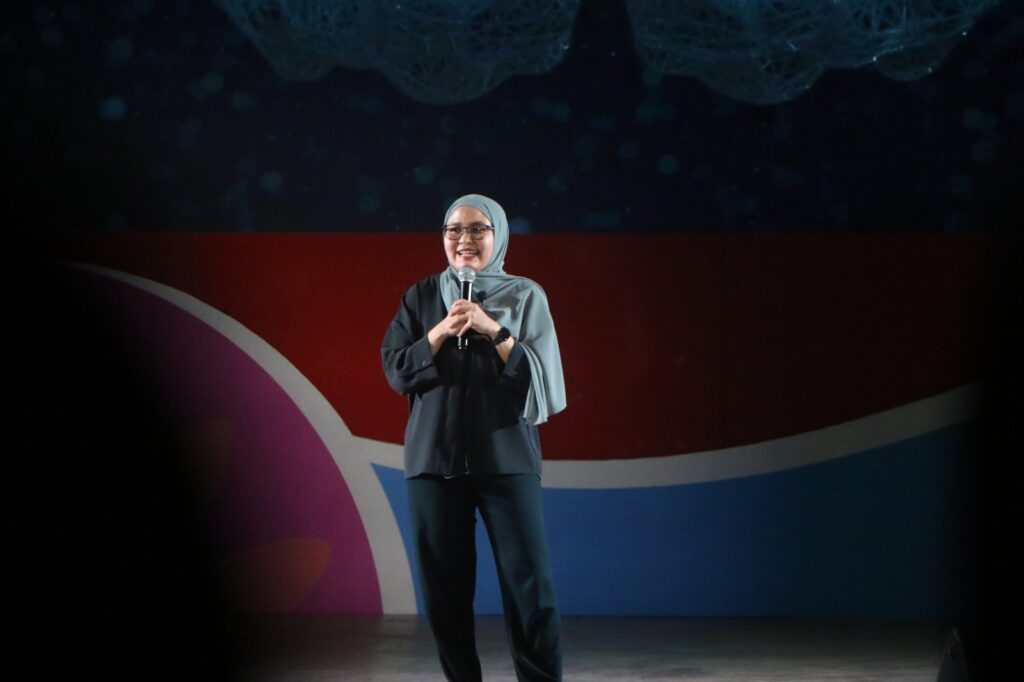
The profile of the speaker, Ir. Nurul Masyiah Rani Harusi, ST., M.Eng., reinforces the relevance of this theme. She is a lecturer in Environmental Engineering at Hasanuddin University, a Junior Research Fellow at the SDGs Center, and Co-Founder of MallSampah, a technology-based social innovation platform for waste management. Her academic, research, and practical experience shows how her dual role as an academic and practitioner can bridge research with real action.
Key points in the discussion will include:
- The challenges facing the younger generation are not only unemployment, but also the climate crisis and social inequality.
- Social innovation begins with personal concerns about everyday issues.
- The role of universities in supporting the achievement of SDGs and fostering social innovation.
- The inspiring story of the development of Mall Sampah, which gives economic value to waste.
- The great opportunity for young people to become social innovators while also opening up sustainable business models.
- Practical tips for starting social innovation: start with small problems, collaborate, utilize technology, and don’t be afraid to fail.