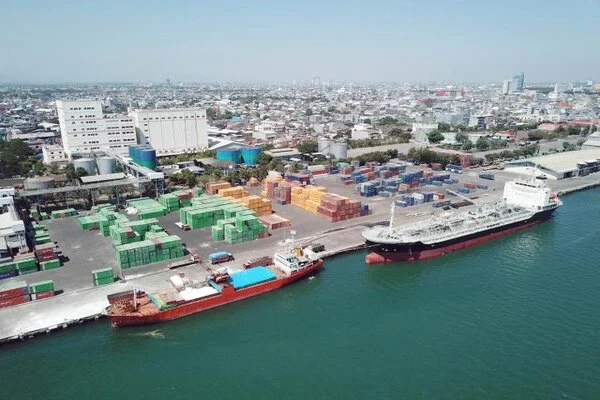

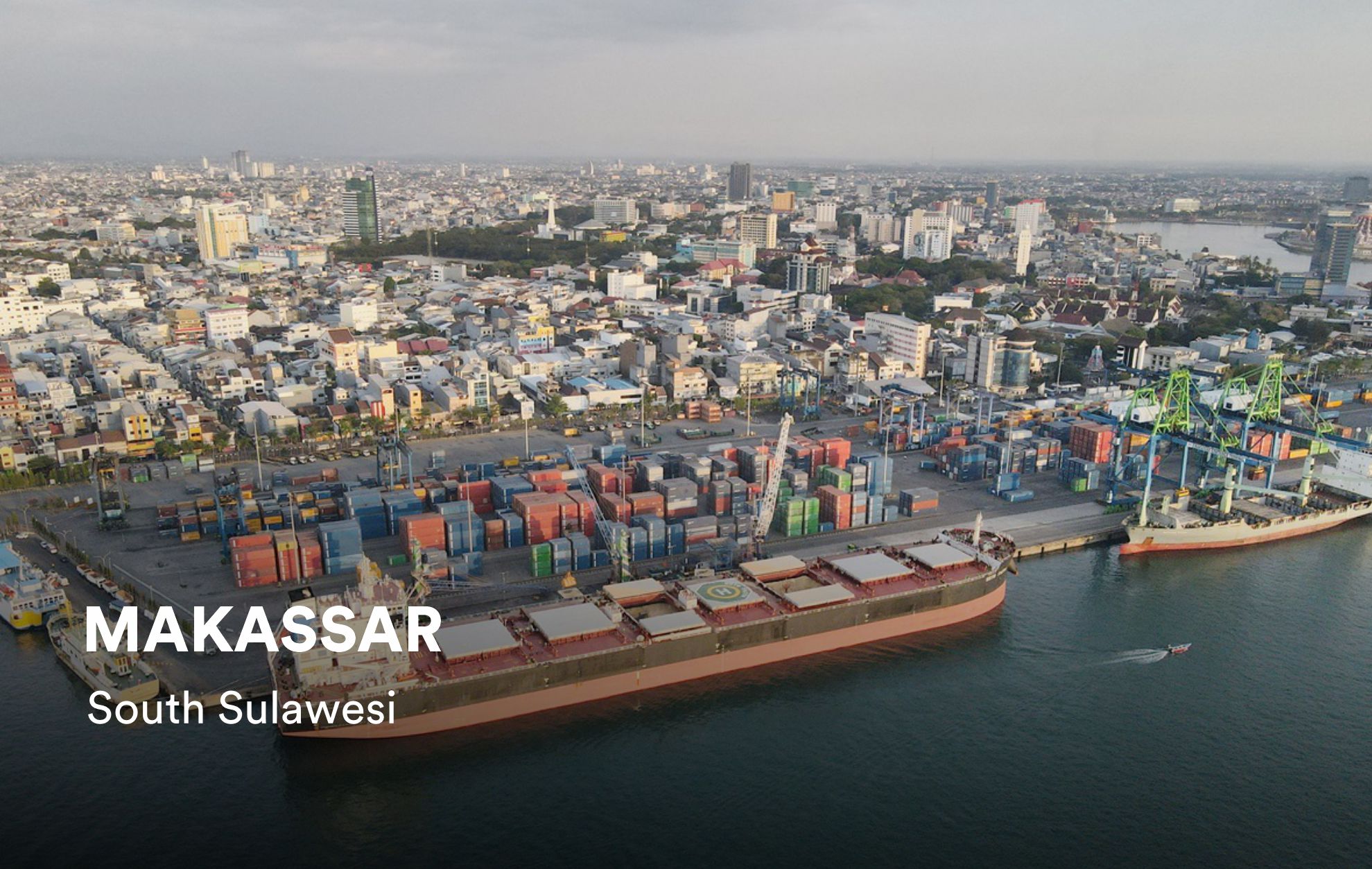
Every day, ships arrive and depart from Makassar Port. Cargo is loaded, containers are moved, vehicles enter and leave, and goods continue their journey across Indonesia and beyond. Ports are essential engines of economic activity. But there is another side to this activity: ports can also create environmental pressure through energy use, emissions, waste, and other operational impacts. This creates a difficult question for the future of maritime transportation: how can a port continue to support economic growth without damaging the environment that makes maritime life possible? The answer may lie in the idea of the green port.
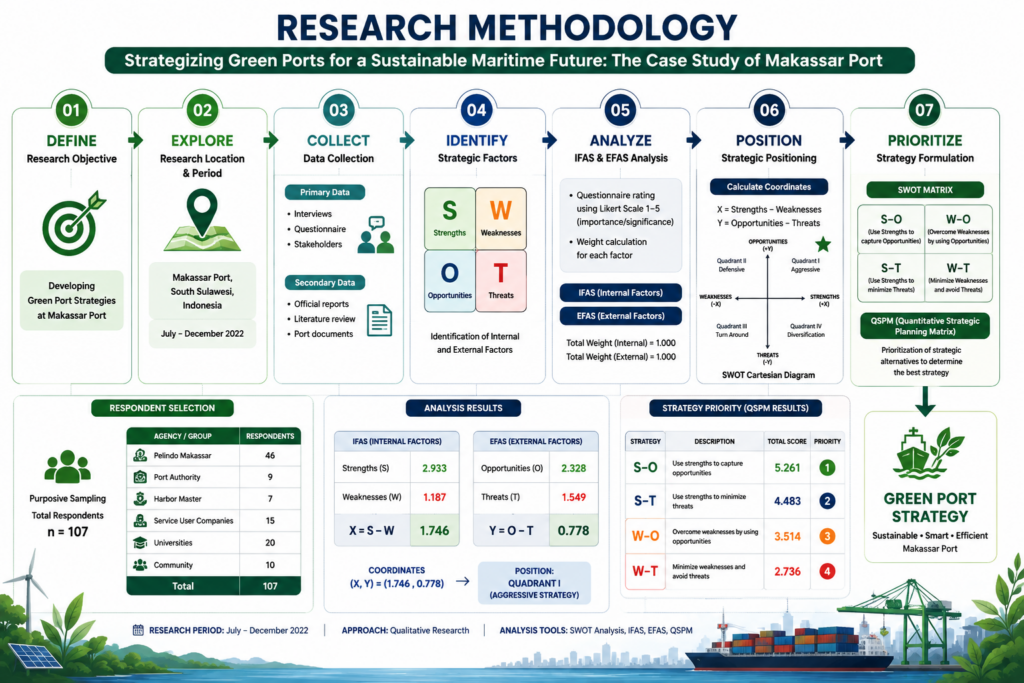
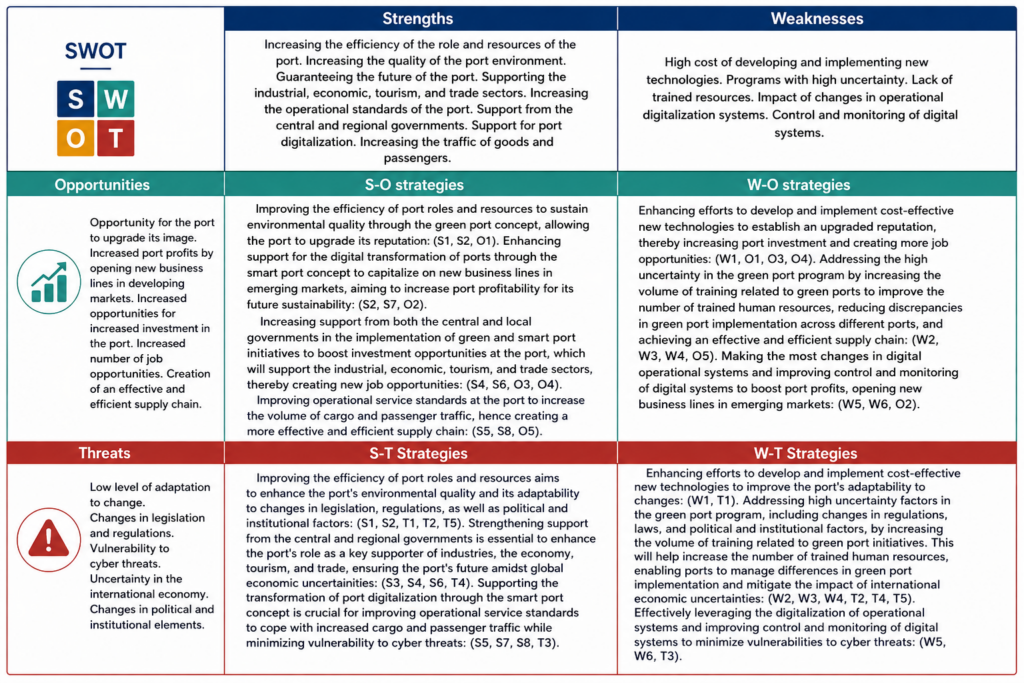
A green port is more than a port with a few trees or environmentally friendly signs. It represents a broader approach to managing port activities so that economic development, operational efficiency, and environmental protection work together. For Makassar Port, this approach is especially important because the port plays a strategic role in regional transportation and logistics. A recent study examined the potential for implementing green port strategies at Makassar Port. Researchers collected information from port stakeholders, official reports, previous studies, and port performance documents. They then used a SWOT analysis to examine the port’s strengths, weaknesses, opportunities, and threats.
The results offer an encouraging message. Makassar Port was positioned in Quadrant I of the SWOT model, indicating a strong position for an aggressive Strengths Opportunities strategy. In simple terms, the port already has important capabilities that can be used to take advantage of opportunities for more sustainable development. The study suggests that sustainability should not be treated as an additional activity separate from port operations. Instead, environmental considerations should become part of how the port is planned, managed, and improved. Energy efficiency, cleaner operations, better environmental management, and collaboration among stakeholders can all contribute to a greener maritime future.
This issue is directly connected to Sustainable Development Goal 14 (SDG 14): Life Below Water. Although a port is built on land, its activities are closely connected to the sea. Pollution and environmental damage from maritime and port operations can ultimately affect marine ecosystems. Protecting the ocean therefore requires action not only at sea, but also in the places where ships, cargo, industries, and cities meet.
This popular science article is based on the published article “Strategizing Green Ports for a Sustainable Maritime Future: The Case Study of Makassar Port.” The article was published in Engineering, Technology & Applied Science Research, with www.etasr.com as the publisher/platform, on 19 May 2025. The study was written by Sumarni Hamid Aly, Syanne Pangemanan, Andi Ningrat, Sakti Adji Adisasmita, and Muralia Hustim. The future of maritime transportation will not be measured only by how quickly cargo moves. It will also be measured by how responsibly ports operate. For Makassar, becoming a green port is not simply an environmental ambition. It is an opportunity to keep trade moving while protecting the marine environment that connects communities, economies, and the future