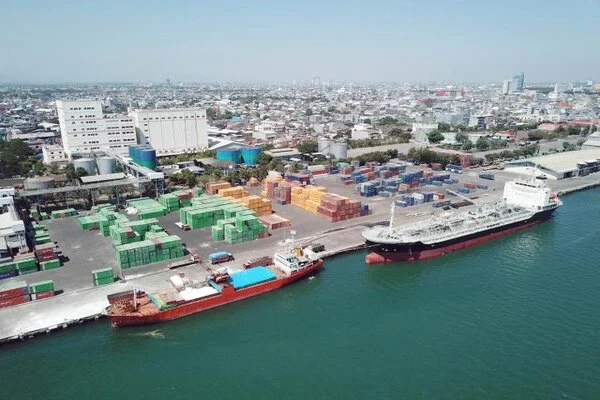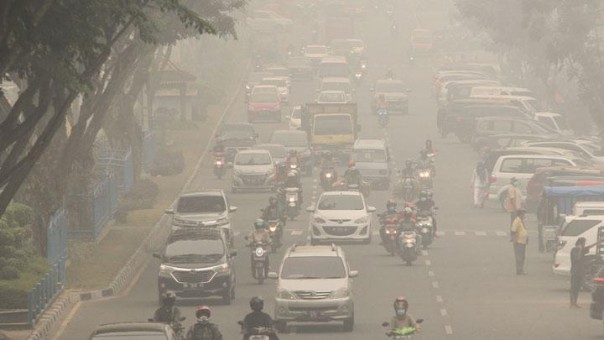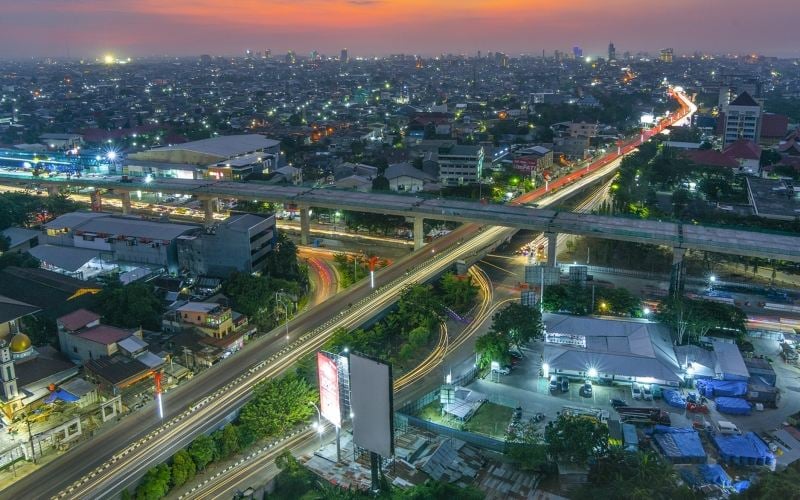

Every day, thousands of people travel along the busy roads of Makassar. Motorcycles move between cars, public transportation stops to pick up passengers, and trucks pass through the city’s arterial roads. For most people, this is simply part of daily life. But behind the noise and movement of traffic lies an environmental issue that is often difficult to see: air pollution. Unlike smoke from a factory chimney, roadside air pollution may not always be visible. The air can look clear while pollutants released by motor vehicles are being inhaled by pedestrians, drivers, street vendors, and people living or working near busy roads. This raises an important question: how clean is the air that people breathe every day on Makassar’s roads? A recent study investigated this issue by combining scientific air-quality measurements with the perceptions of the public. Researchers assessed air quality on six arterial roads in Makassar and examined pollutants such as ammonia (NH₃), nitrogen dioxide (NO₂), and particulate matter (PM₁₀). At the same time, members of the public were asked about their experiences and symptoms when spending time near busy roads.
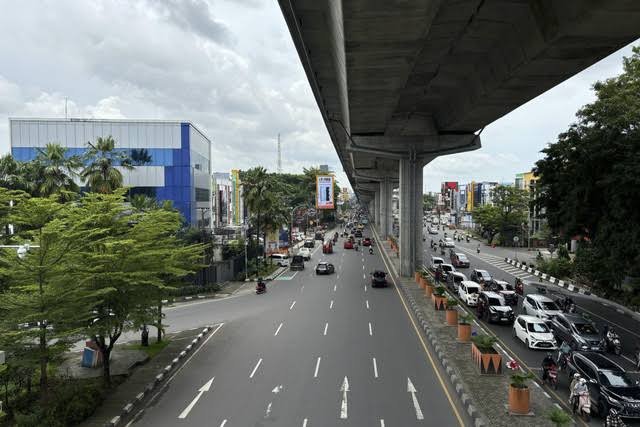
The results showed that air pollution varied across locations and times of day. The highest NH₃ emission load was recorded on Jalan Perintis Kemerdekaan during the afternoon, reaching 1.23770 g/s. The highest NH₃ concentration was measured on Jalan A.P. Pettarani at 134.54 μg/Nm³. Meanwhile, the highest NO₂ emission value was recorded on Jalan Veteran Utara in the morning at 3.10 g/mile, while the highest NO₂ concentration was found on Jalan Perintis Kemerdekaan in the afternoon, reaching 32.20 μg/Nm³. Although the measured concentrations remained below the applicable air-quality standards, the public perception results tell another important part of the story. Some people reported experiencing symptoms while spending time near busy roads. Thirty-six percent of respondents agreed that they often experienced coughing on the roadside areas of Perintis Kemerdekaan and A.P. Pettarani. Dizziness and coughing were also among the symptoms reported by respondents.
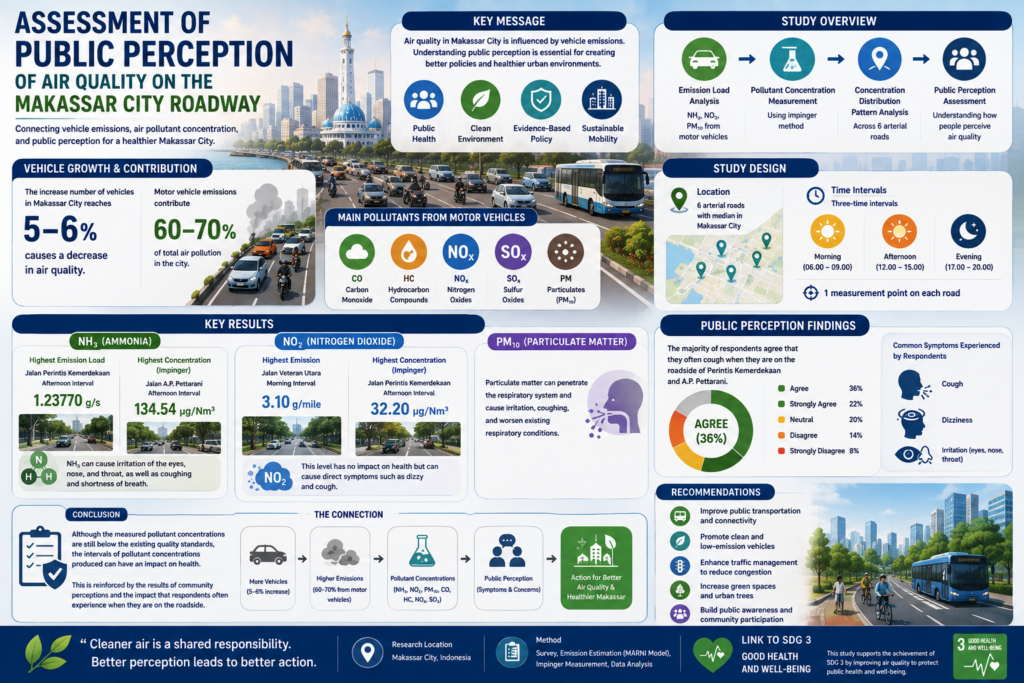
This finding highlights why air-quality assessment should not depend on measurements alone. Instruments can tell us how much pollution is present, while public perception can reveal how people experience their surroundings. Together, these perspectives provide a broader understanding of urban air quality. The issue is directly connected to Sustainable Development Goal 3 (SDG 3): Good Health and Well-Being. Clean air is essential for healthy communities. Reducing vehicle emissions, improving public transportation, managing traffic more efficiently, and protecting people who spend long hours near busy roads can all contribute to healthier cities.
This popular science article is based on the published article “Assessment of Public Perception of Air Quality on the Makassar City Roadway.” The source article was published in AIP Conference Proceedings, with AIP Conference Proceedings as the publisher, on 19 May 2025. The next time you stand beside a busy road, remember: air pollution is not always visible. Sometimes, the warning is not in the sky but in the cough, discomfort, or dizziness experienced by the people breathing that air.