
The field survey in this study was conducted at 30 observation points distributed across 14 subdistricts within Makassar City. This activity is part of the primary data collection phase, carried out after the site selection process, which was based on initial field observations and guided by the Indonesian National Standard (SNI) 19-7119.6-2005 concerning the determination of sampling locations for ambient air quality monitoring. The selection of survey points was strategically based on various considerations, including land use zoning (such as commercial and service zones, residential areas, industrial zones, and mixed-use areas), activity density, and the presence of potential local emission sources in each area. the points are as follows.
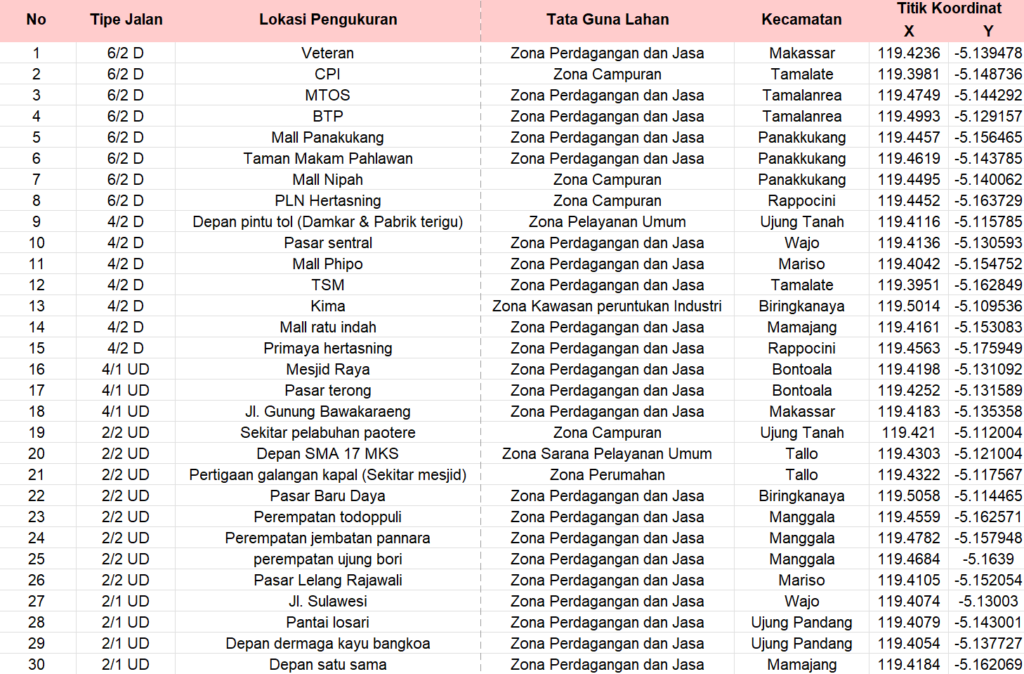
30 measurement points in Makassar
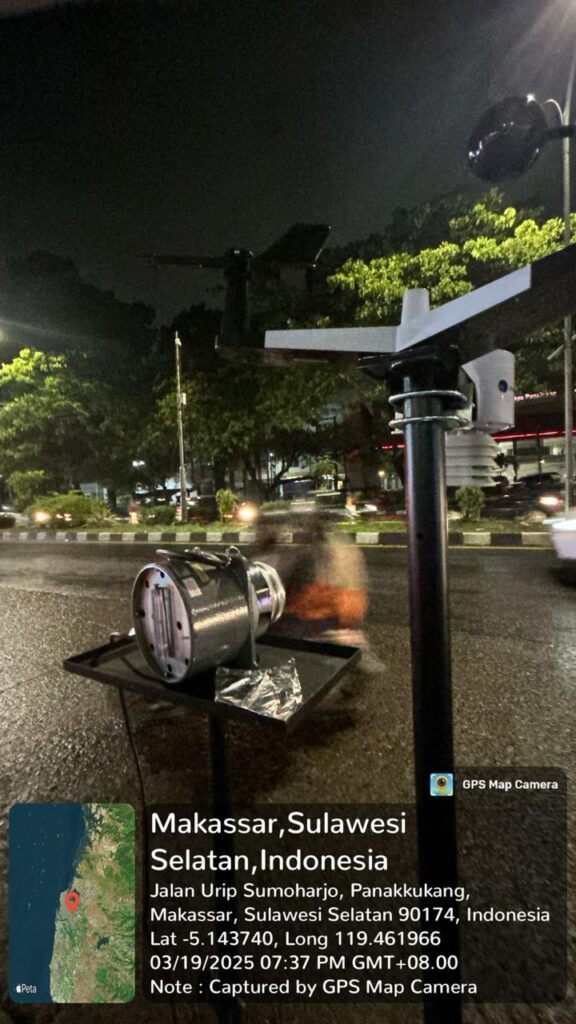
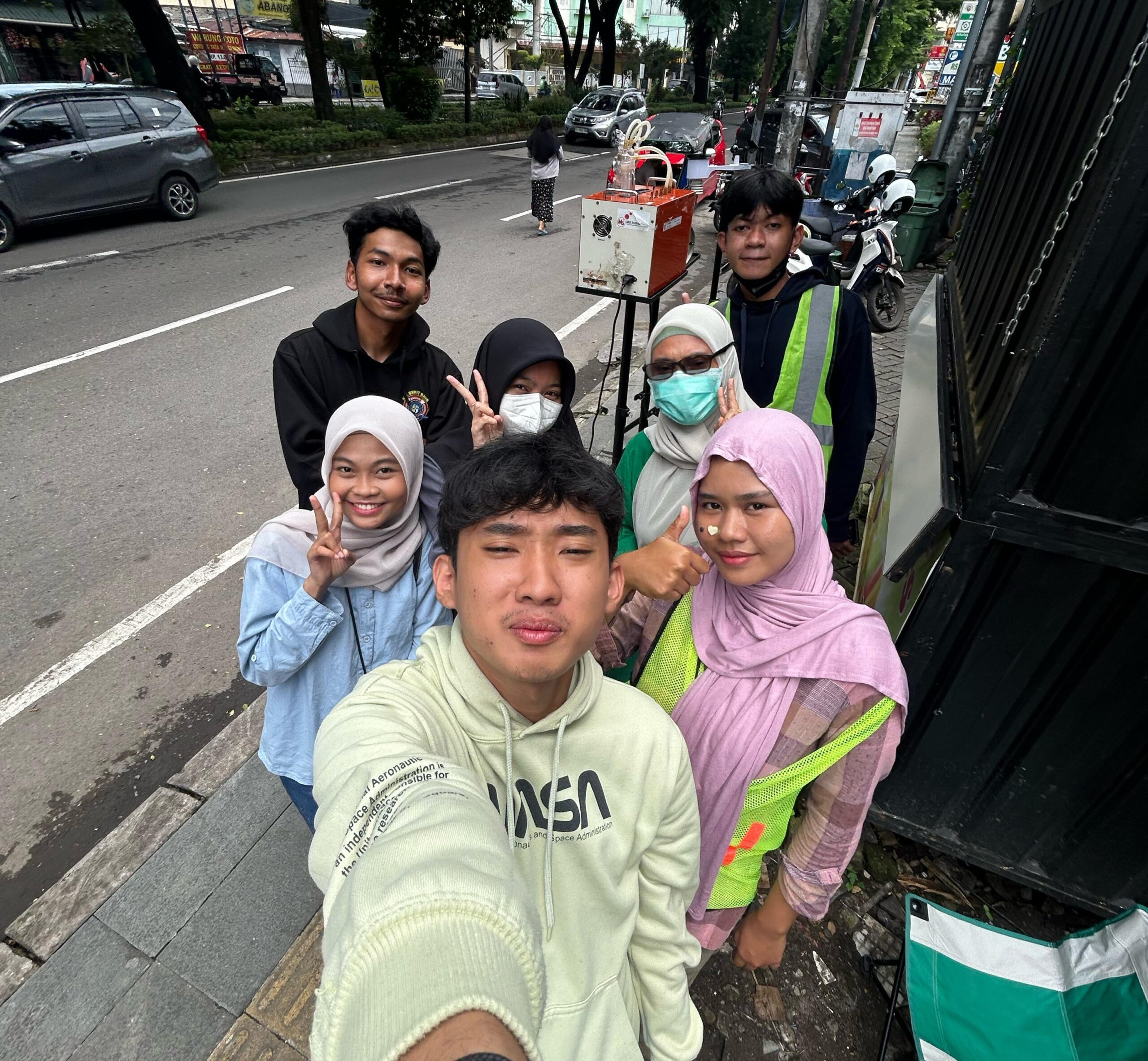
Each survey location was geospatially identified using GPS and mapped with the support of Google Earth. At each point, ambient air quality measurements were performed using a High Volume Air Sampler (HVAS) to capture particulate matter with a diameter of ≤10 micrometers (PM₁₀), following the gravimetric method outlined in SNI 7119.15:2016. Sampling was carried out using specialized filter paper to collect airborne particulates, complemented by meteorological data recording from weather stations, including temperature, humidity, and wind speed.
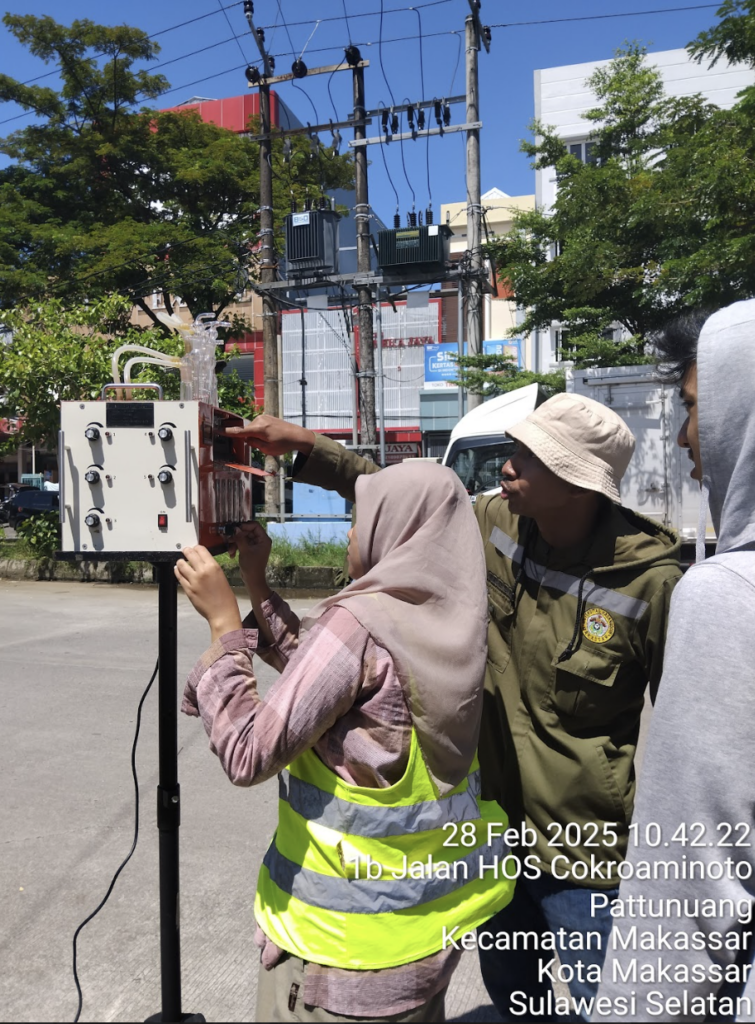
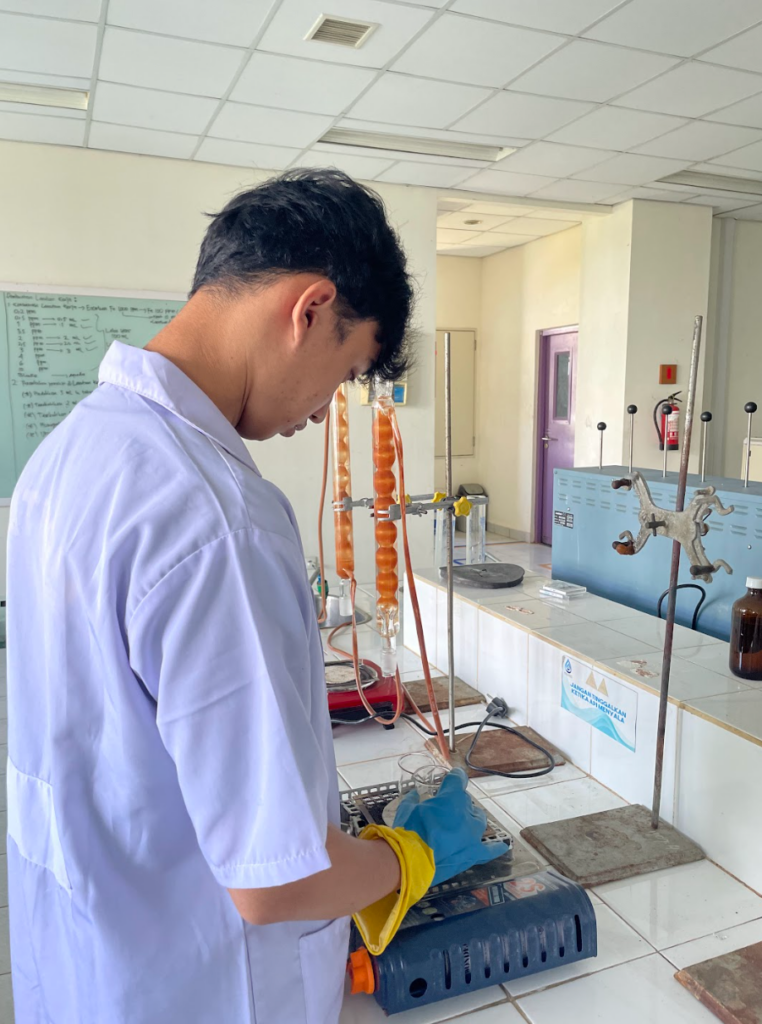
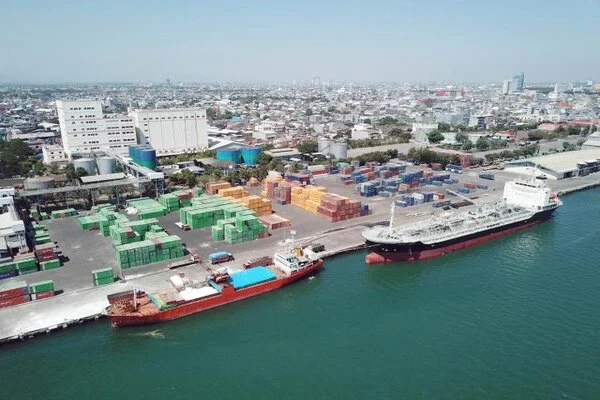
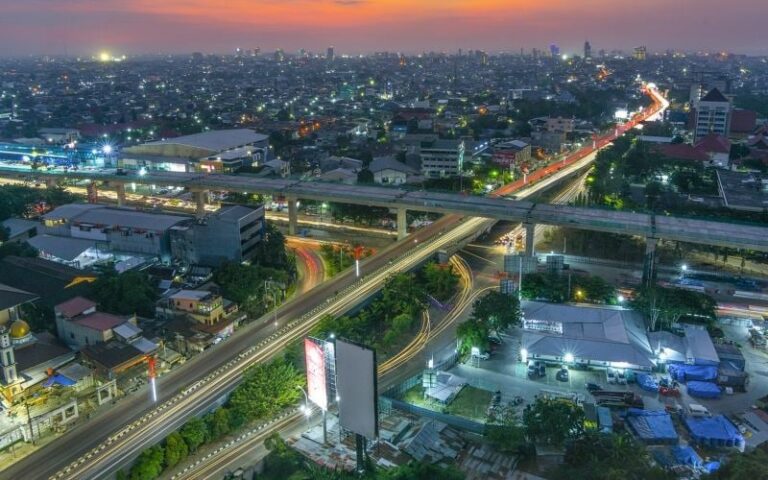
The field survey also included environmental documentation of the surrounding area, with observations on traffic conditions, human activity, and nearby emission sources such as motor vehicles, construction sites, and industrial facilities. The data collected from the 30 survey points serve as the study’s primary dataset and will be used to validate and compare against secondary data obtained from Landsat 8 satellite imagery. By conducting field measurements at 30 strategically selected and spatially distributed locations, this study aims to provide an accurate, contextual, and comprehensive analysis of urban air quality conditions in Makassar City
This study was conducted over 15 working days, namely on February 25–27,March 3–7, March 10–14, and March 19–20, 2025, duringfour intervals: morning, afternoon, evening, and night. Each interval was conducted for one hour within the following time frames: 06:00–10:00 WITA for the morning interval, 11:00–14:00 WITA for the afternoon interval, 15:00–18:00 WITA for the evening interval, and 6:00 PM to 10:00 PM WITA for the evening interval. The selection of times for each interval is based on the Minister of Environment Regulation No. 12 of 2010.