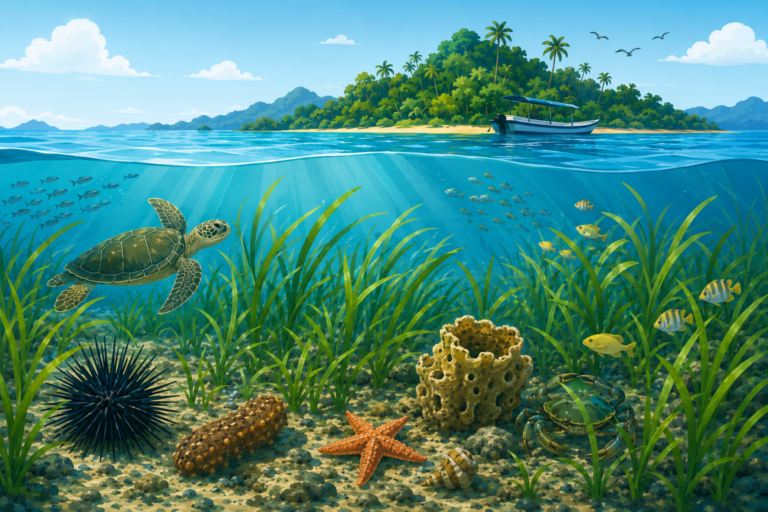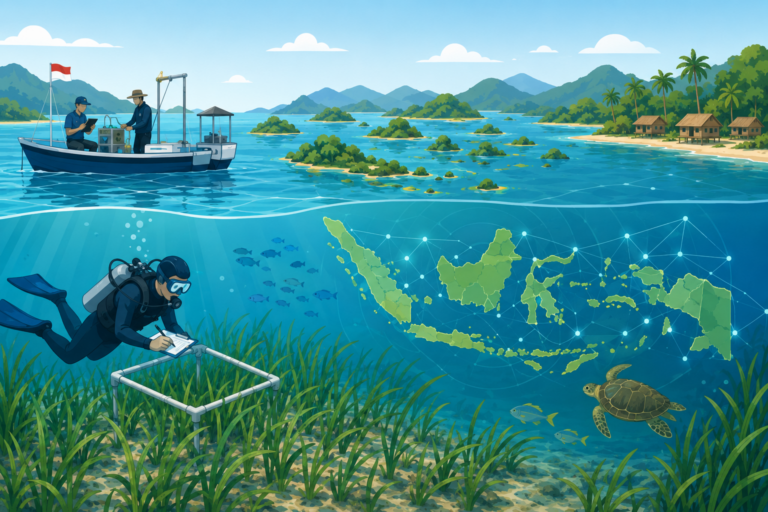

MAKASSAR, Indonesia Okt 23 2025 /SESREG/ – Imagine a vast forest hidden beneath the turquoise waves, humming with life, where the plants can shrink or stretch their leaves just to survive. This is the fascinating reality of tropical seagrass meadows. These underwater ecosystems act as vital shields for our coastlines by filtering nutrients, stabilizing marine sediment, sheltering baby fish, and trapping carbon to combat climate change. Around Tomia Island, a stunning jewel within Indonesia’s Wakatobi National Park and the global epicenter of marine biodiversity known as the Coral Triangle, these plants are doing something extraordinary. They are dynamically changing their physical shapes in order to master their challenging underwater environment.
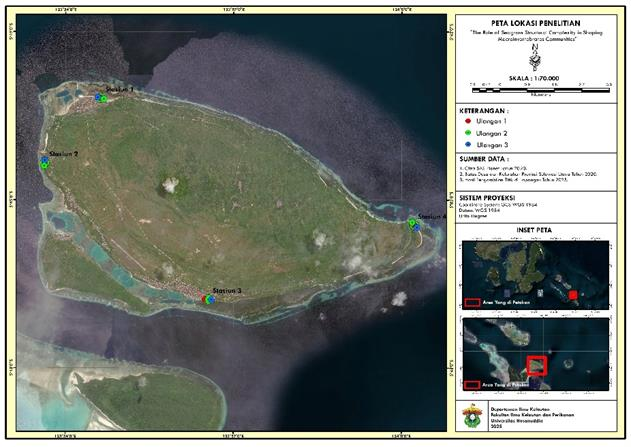
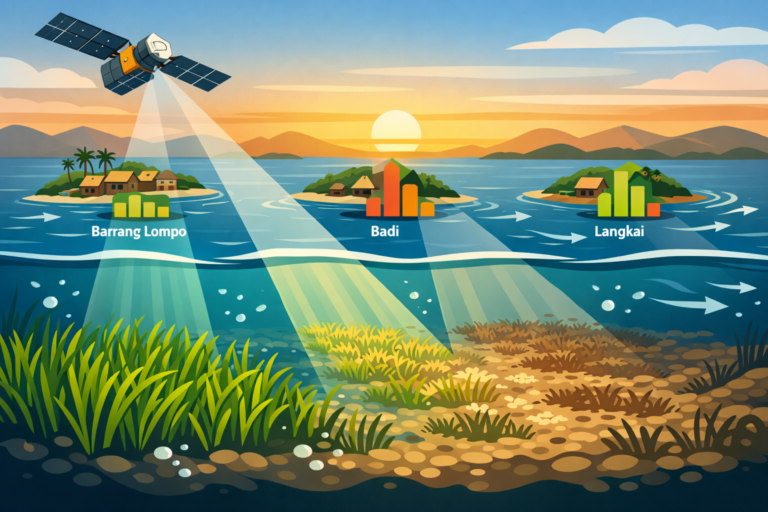
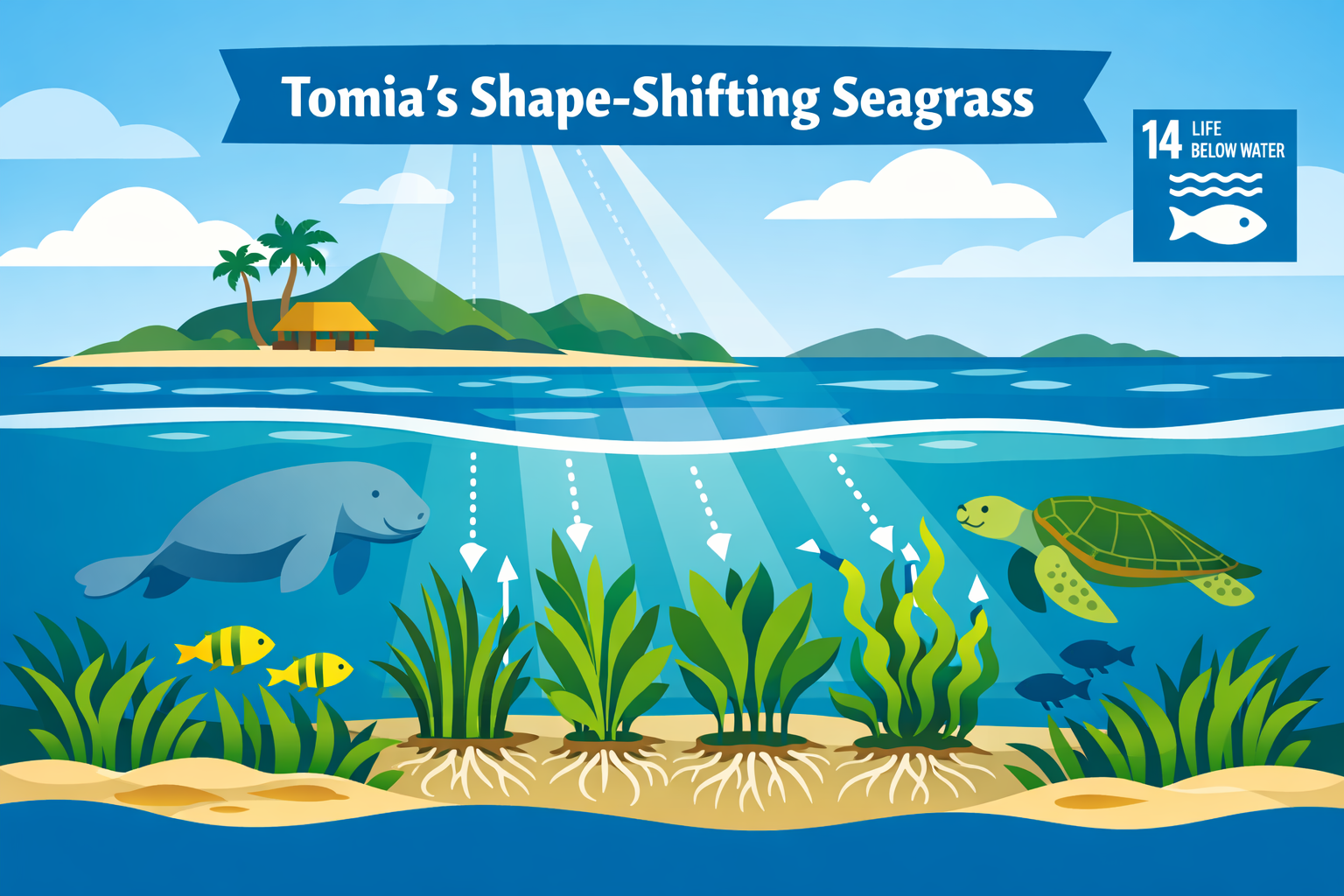
A groundbreaking study published in 2025 has shed new light on these remarkable underwater shapeshifters. Titled Morphometric variability of seagrass species in a marine-protected area of Tomia Island, the research was featured in the prestigious scientific journal BIO Web of Conferences by publisher EDP Sciences. The dedicated scientific team discovered that nine distinct species of seagrass across four local beaches possess an incredible survival superpower called “phenotypic plasticity”. This is the unique biological ability to alter physical traits, such as leaf length, leaf width, root count, and root length, in direct response to environmental gradients like light availability, water depth, and water quality parameters.
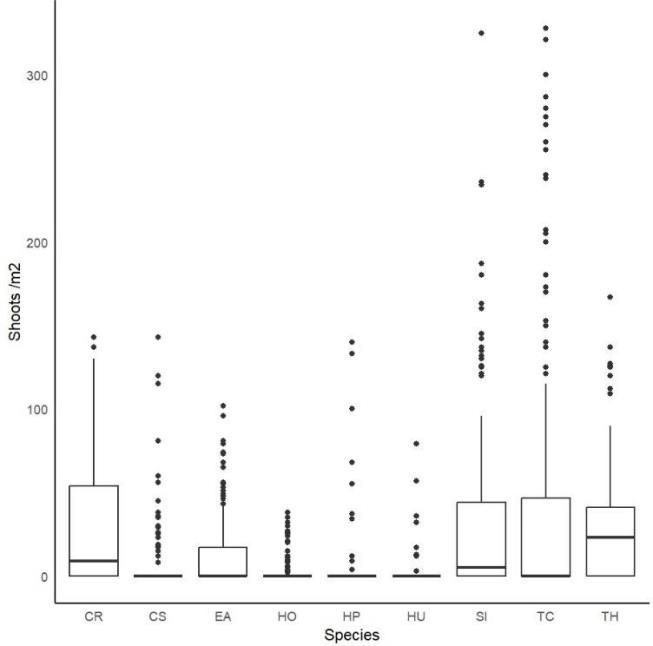
Why does this shape-shifting ability matter so much to local human communities? In the Wakatobi region, nearly 60% of coastal residents rely directly on marine resources as their primary source of protein. By adjusting their traits, seagrasses maintain dense meadows that serve as crucial feeding grounds for commercially valuable fish, alongside endangered green turtles and dugongs. For instance, the researchers highlighted that species like Thalassodendron ciliatum can form remarkably dense clusters exceeding 300 shoots per square meter. These thickets create complex habitats that significantly boost marine biodiversity compared to bare, unvegetated sea floors, thereby supporting local fisheries.
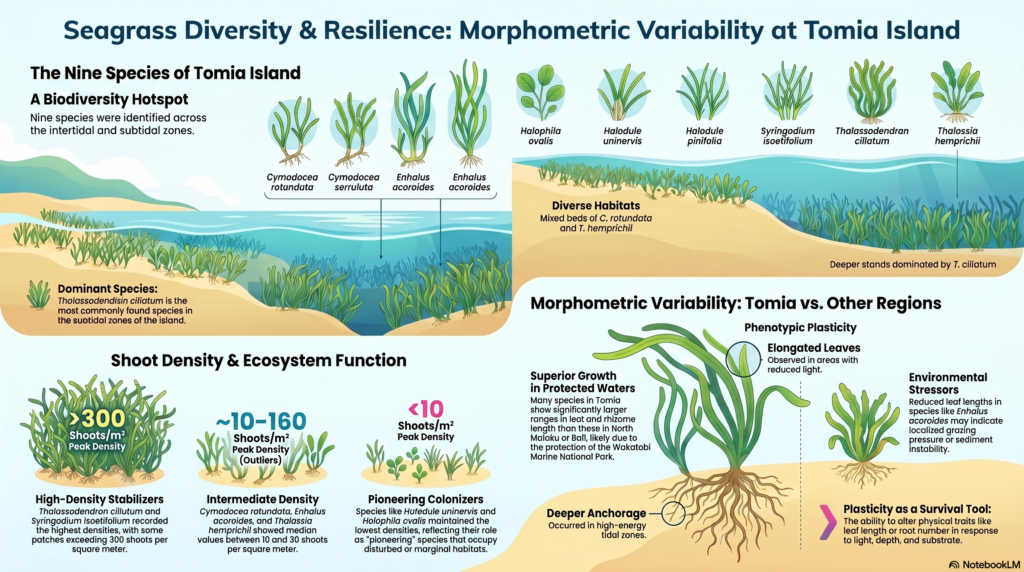
This important research directly advances Sustainable Development Goal 14: Life Below Water, which demands the sustainable management and protection of precious marine ecosystems. By understanding exactly how different seagrass species structurally adjust to localized environmental pressures, conservationists can design smarter, more effective, and adaptive management strategies for marine protected areas. This ensures that even as rapid climate change, coastal development, and pollution threaten our global oceans, these vital blue carbon sinks and nurseries remain resilient enough to sustain human livelihoods and marine species.
Ultimately, this essential study reminds us that protecting marine biodiversity is not just about drawing lines on a map; it requires tuning into the subtle, dynamic, and adaptive responses of nature itself. The next time you look out at a beautiful tropical ocean, remember the hardworking, shape-shifting meadows hidden below, quietly adapting to keep our planet healthy, protect our coastlines, and ensure our coastal communities keep thriving for many decades to come.
Contact Person:
Prof. Dr. Ir. Rohani Ambo-Rappe, M.Si.
rohani.amborappe@mar-sci.unhas.ac.id
rohani.amborappe@gmail.com