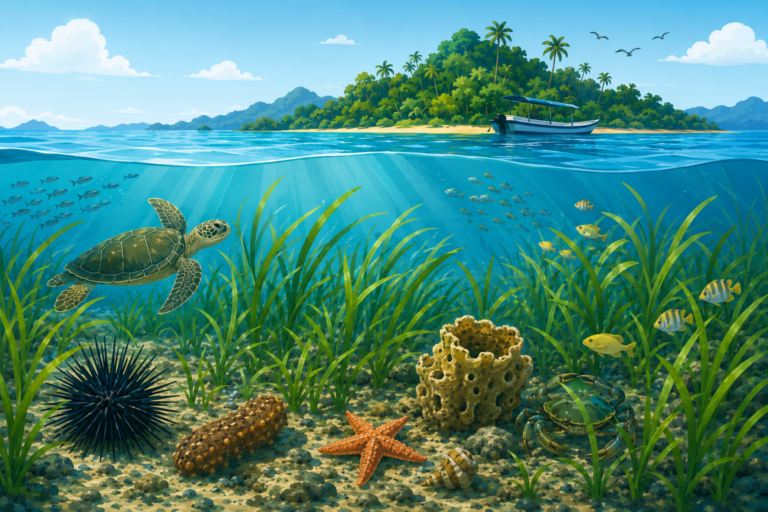

MAKASSAR, Indonesia Jan 1 2026/SESREG/ – When we picture tropical marine paradises, vibrant coral reefs and majestic mangroves usually steal the spotlight. However, hidden just beneath the surface lies a quieter, equally vital underwater ecosystem: the humble seagrass meadow. Often overlooked, these vast green pastures act as critical lifelines for millions of people. Yet, a groundbreaking scientific paper has recently exposed a complex reality where these ecological safety nets can simultaneously function as a mechanism that reinforces persistent wealth inequalities.
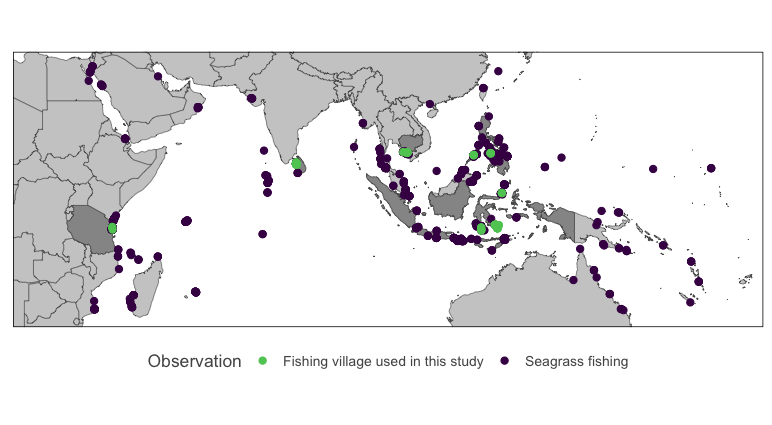
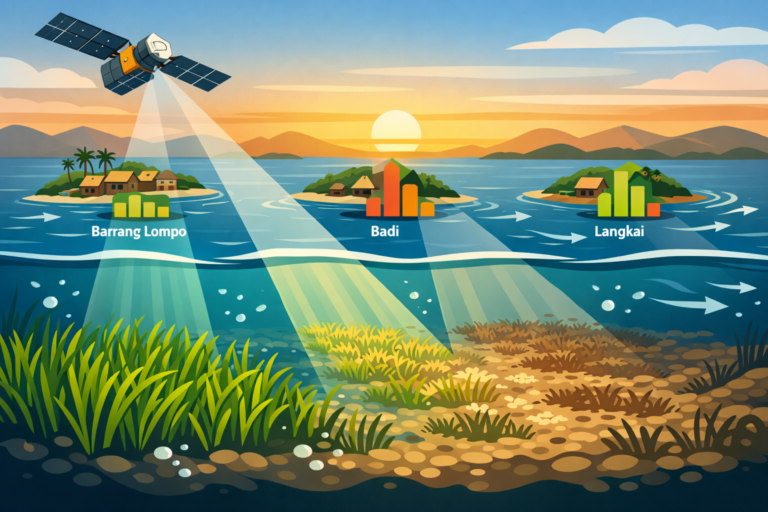
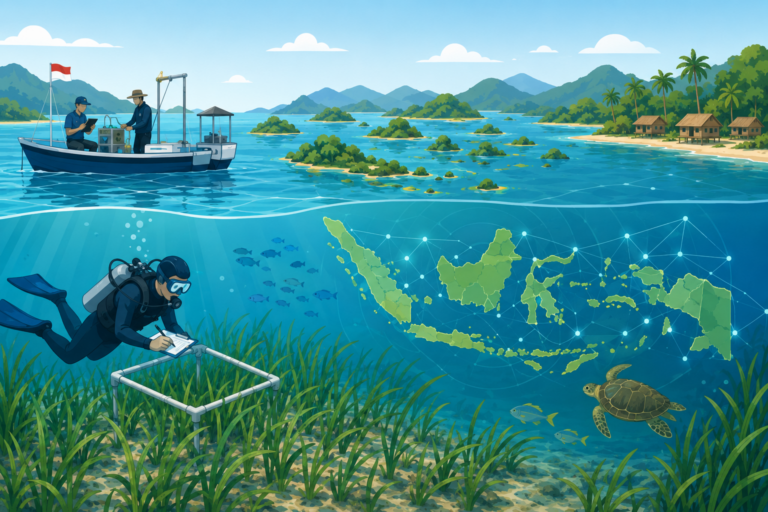
This compelling discovery is at the heart of a major scientific study titled “Tropical seagrass meadows buffer coastal poverty”, published in the prestigious Estuarine, Coastal and Shelf Science journal by the renowned academic publisher Elsevier in 2026. Led by an international team of researchers, the investigation analyzed socioeconomic data from 1,705 households across 156 coastal communities in the Indo-Pacific region, spanning countries like Cambodia, Indonesia, the Philippines, Sri Lanka, and Tanzania.
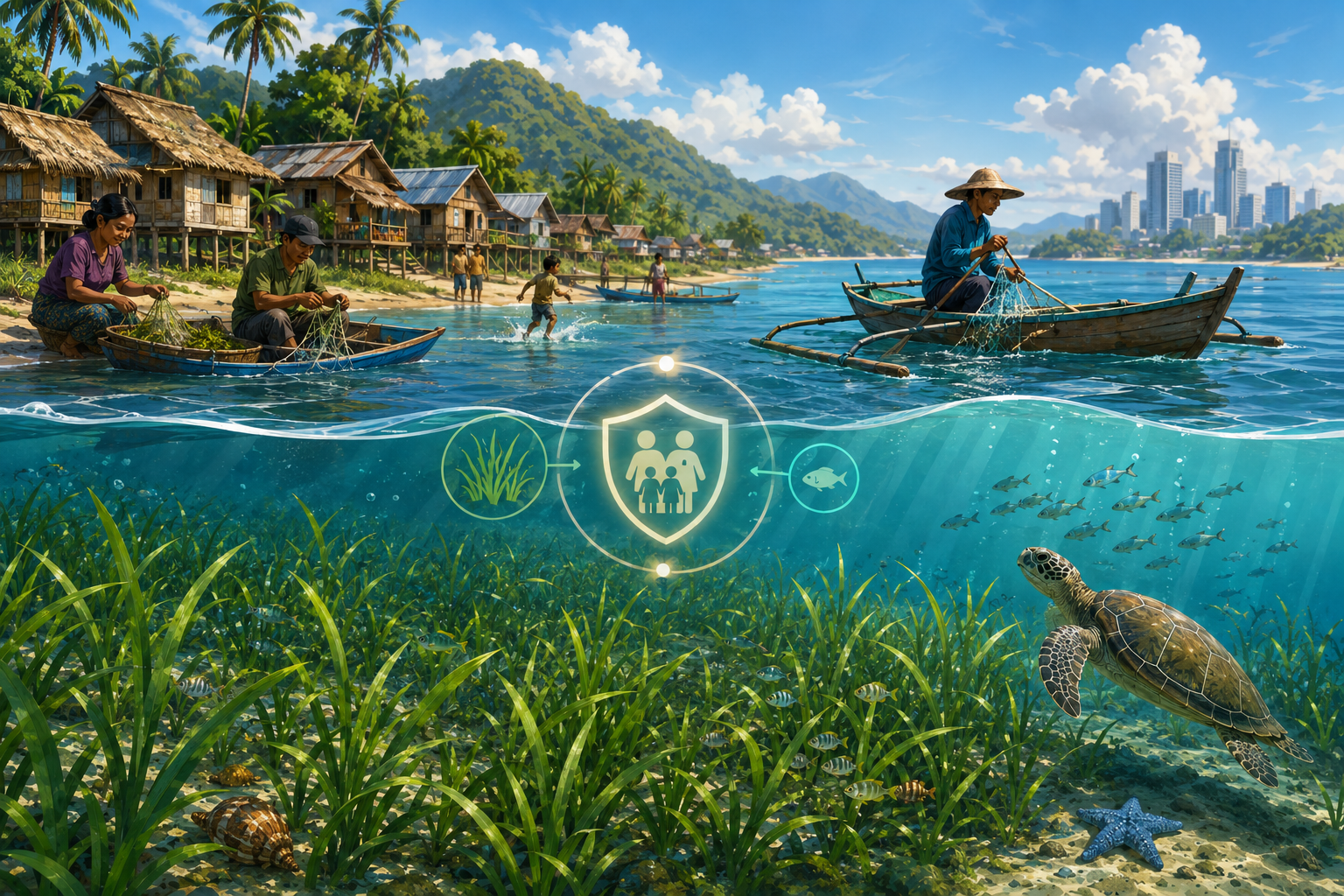
The study provides the first large-scale empirical evidence that seagrass meadows function as an essential buffer against absolute deprivation. When families hit hard times, these accessible nearshore ecosystems act as an open-access “natural insurance,” requiring minimal capital or expensive gear to harvest essential food and invertebrates. Tragically, the study revealed a stark paradox: small-scale fishing households that depend exclusively on seagrass meadows are consistently poorer, earning approximately 23% less than those with diversified income streams or alternative fishing grounds.
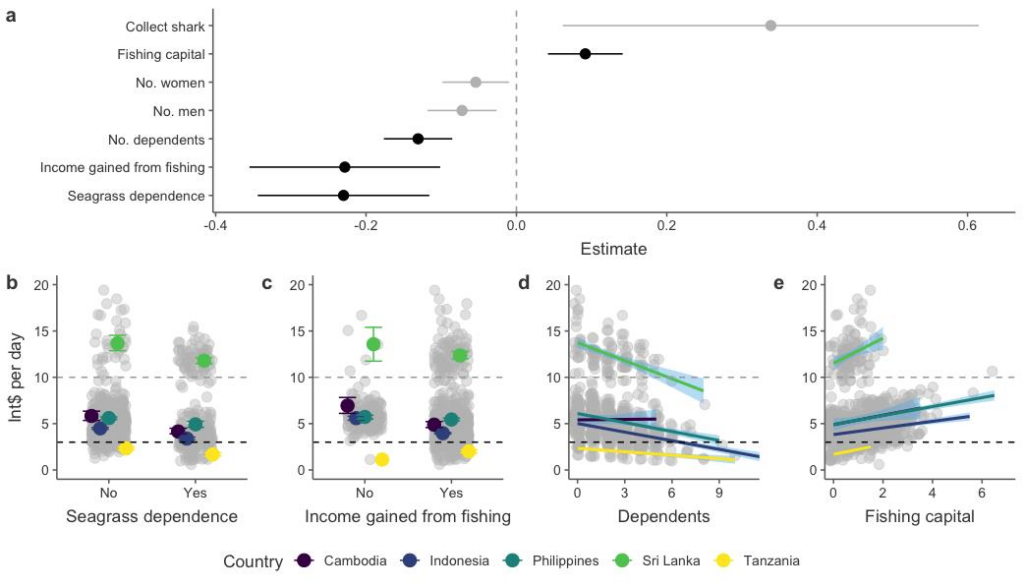
This phenomenon creates what scientists call a social-ecological trap. As household income drops, exclusive reliance on these close-to-shore ecosystems intensifies—with each additional international dollar lost increasing a family’s exclusive dependence on seagrass by 5.5%. This localized fishing pressure, combined with land-based pollution, compresses the size of marine catches, leaving only low-value species available to the most impoverished communities.
By quantifying this vital relationship, the researchers estimated that roughly 13.5 million people living in extreme poverty engage in Indo-Pacific seagrass fisheries, with 5.8 million completely relying on them for daily survival. Consequently, these findings connect directly to Sustainable Development Goal 1 (No Poverty). The research demonstrates that if we continue to ignore seagrass habitats in international development policies, we risk deepening coastal vulnerability and undermining global efforts to eradicate absolute financial hardship.
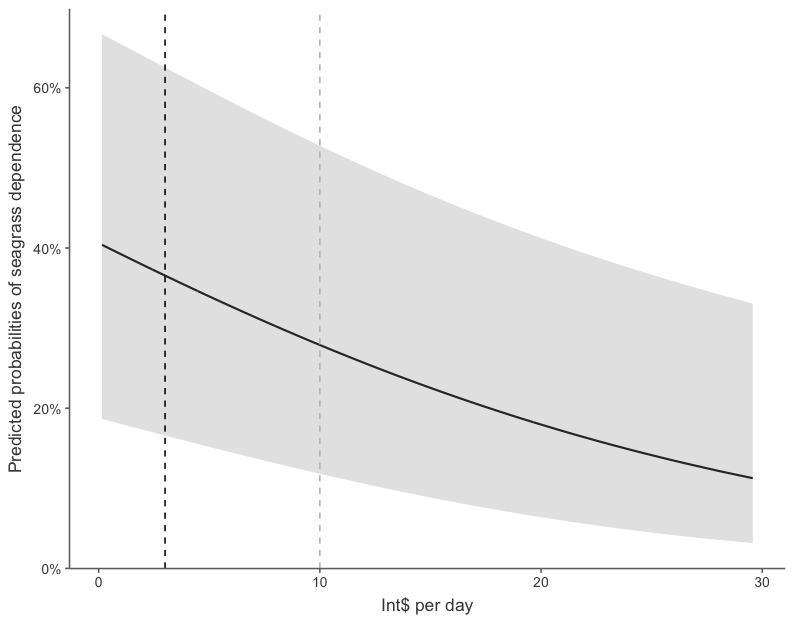
Ultimately, the study argues that human economic structures—not the ocean ecosystems themselves—determine whether this resource reliance becomes a path to prosperity or a structural trap. To transform these meadows from temporary lifelines into resilient economic foundations, international aid interventions and environmental policies must work together to empower the coastal poor, integrate equitable governance, and protect our planet’s vital marine frontiers.
Contact Person:
Prof. Dr. Ir. Rohani Ambo-Rappe, M.Si.
rohani.amborappe@mar-sci.unhas.ac.id
rohani.amborappe@gmail.com