
MAKASSAR, Indonesia Jun 5 2025/SESREG/ – When we think of hidden treasures in the vast Indonesian archipelago, we often imagine gold mines or unexplored rainforests. However, some of the most critical discoveries are happening in the muddy waters of coastal aquaculture ponds. For decades, a mysterious, delicate aquatic plant quietly thrived in these overlooked habitats, misidentified by onlookers and ignored by science. Now, a fascinating botanical detective story has finally unmasked this cryptic organism, offering profound new insights into the resilience of our coastal ecosystems.
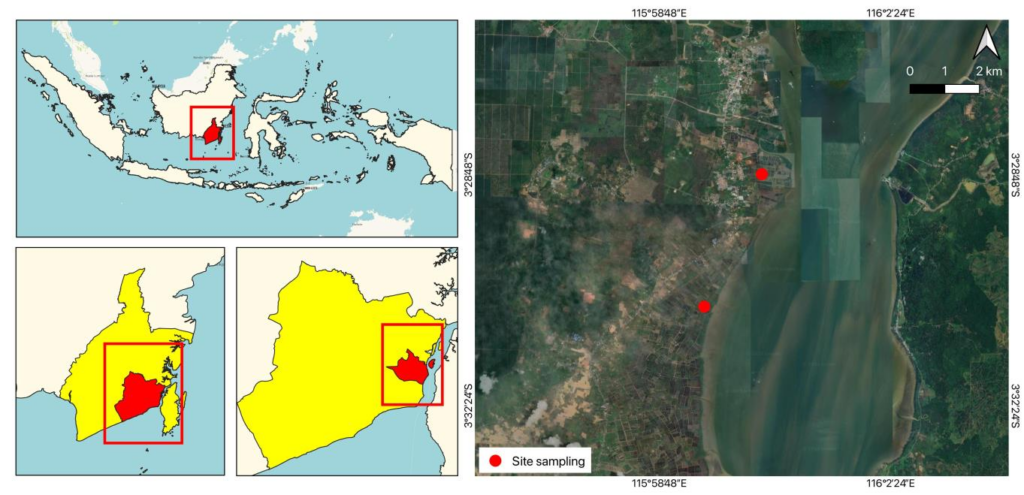
This remarkable scientific breakthrough is documented in a study titled “New distribution record of seagrass Ruppia brevipedunculata from intertidal cultivation ponds in South Kalimantan, Indonesia”. Published in the renowned journal Biodiversitas in May 2025, this research was conducted by an expert team of scientists who utilized advanced genetic sequencing to map the unexpected presence of this unique species.
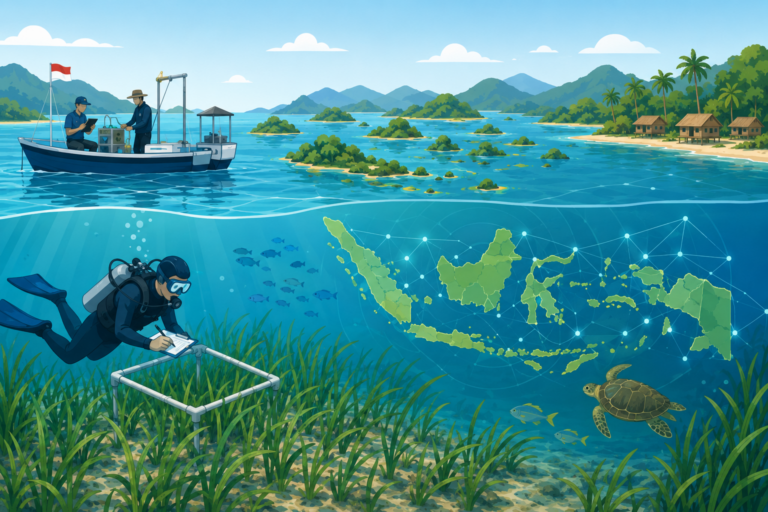
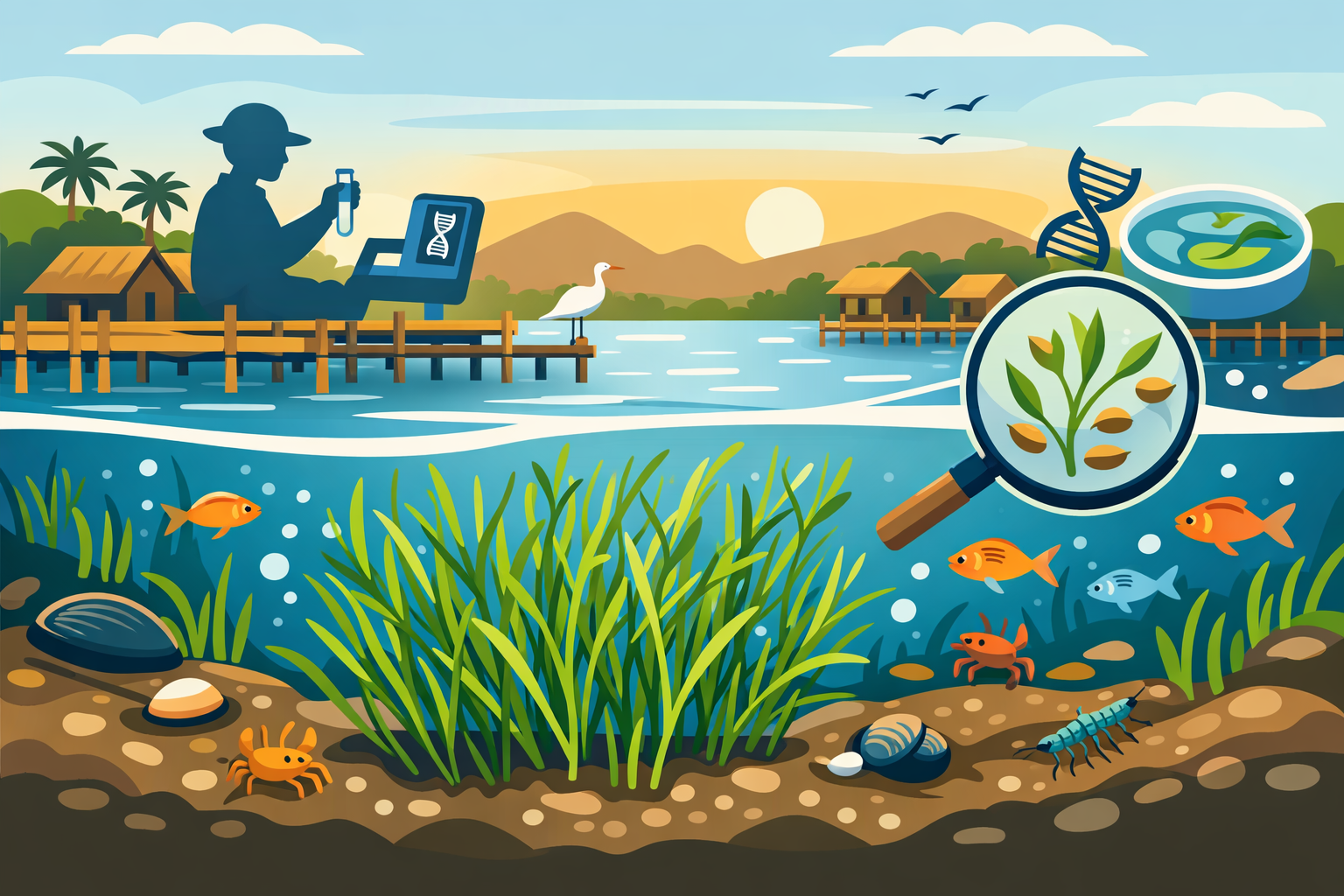
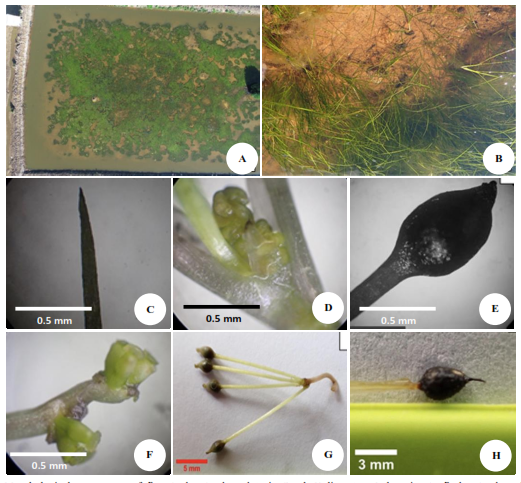
Historically, identifying seagrasses within the Ruppia genus has been a notorious headache for marine biologists. Because different species look incredibly similar to the naked eye, this particular plant was long mistaken for its more common cousin, Ruppia maritima. To solve the mystery, researchers collected specimens from fish and shrimp aquaculture ponds in South Kalimantan. By combining meticulous physical measurements of leaf widths and fruit shapes with high-tech DNA analysis of the Internal Transcribed Spacer (ITS) gene, the team definitively proved that the plant was actually Ruppia brevipedunculata—marking its first-ever recorded discovery in the region’s intertidal cultivation zones.
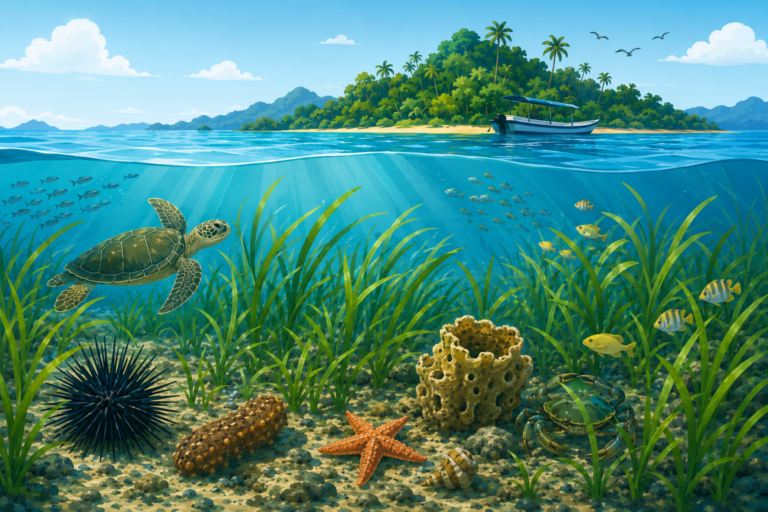
Beyond the thrill of taxonomic discovery, this humble seagrass is an absolute ecological powerhouse. The study highlights that these underwater meadows provide crucial habitats for invertebrates and small fish, act as natural bioindicators to monitor heavy metal pollution, and can even filter agricultural wastewater. Remarkably, the researchers observed that the plant exhibits an extraordinary survival instinct: its seeds can lie dormant in baked, cracked mud for up to five months during severe seasonal droughts, rapidly springing back to life as soon as the rains return and the ponds refill.
By revealing the secret distribution and superpowers of this overlooked species, the study directly aligns with Sustainable Development Goal 14 (Life Below Water). It proves that protecting marine biodiversity requires us to look beyond pristine coral reefs and manage human-altered landscapes, such as active aquaculture infrastructure, as vital conservation sanctuaries.
Ultimately, this discovery reminds us that the health of our oceans depends on a complex web of life where even a tiny, misidentified blade of grass plays a monumental role. Embracing these findings will allow policymakers and local communities to design smarter coastal management strategies, ensuring that Indonesia’s rich underwater heritage remains resilient, productive, and vibrant for generations to come.
Contact Person:
Prof. Dr. Ir. Rohani Ambo-Rappe, M.Si.
rohani.amborappe@mar-sci.unhas.ac.id
rohani.amborappe@gmail.com