

MAKASSAR, Indonesia Mar 11 2026/OCN-RG/ – In a significant effort to understand the rising rates of childhood obesity in urban Indonesia, a comprehensive study was conducted across 10 primary schools in Makassar City. Commencing on August 19, 2025, the research, titled “The Use of Food Labels and Obesogenic Environment on The Ultra-Processed Foods Purchase Decision among Obese Primary School Children in Makassar City,” engaged 402 children to explore the complex interplay between their food choices, understanding of nutrition, and the environment around them.
Childhood obesity is a pressing public health issue, with long-term consequences for individuals and society. This study aimed to dissect its root causes by examining two critical areas: the effectiveness of food labels as a tool for healthy choices, and the influence of the surrounding environment. The research employed a mixed-method approach, combining quantitative data from the 402 children with in-depth qualitative interviews of parents to gain a holistic understanding.
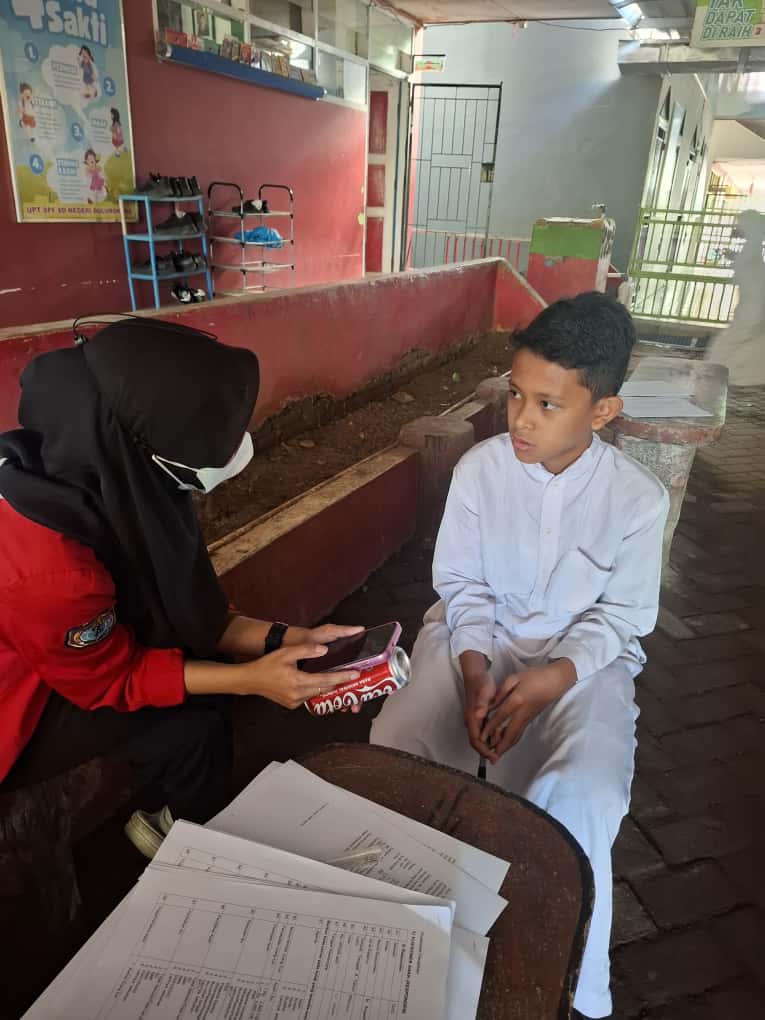
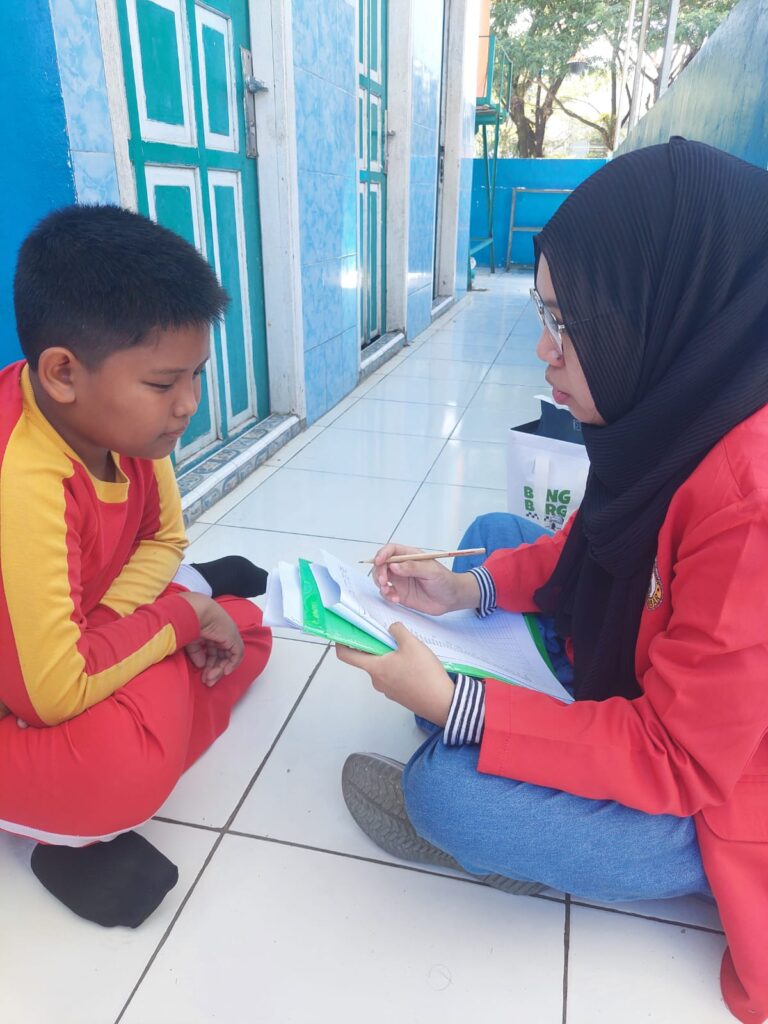
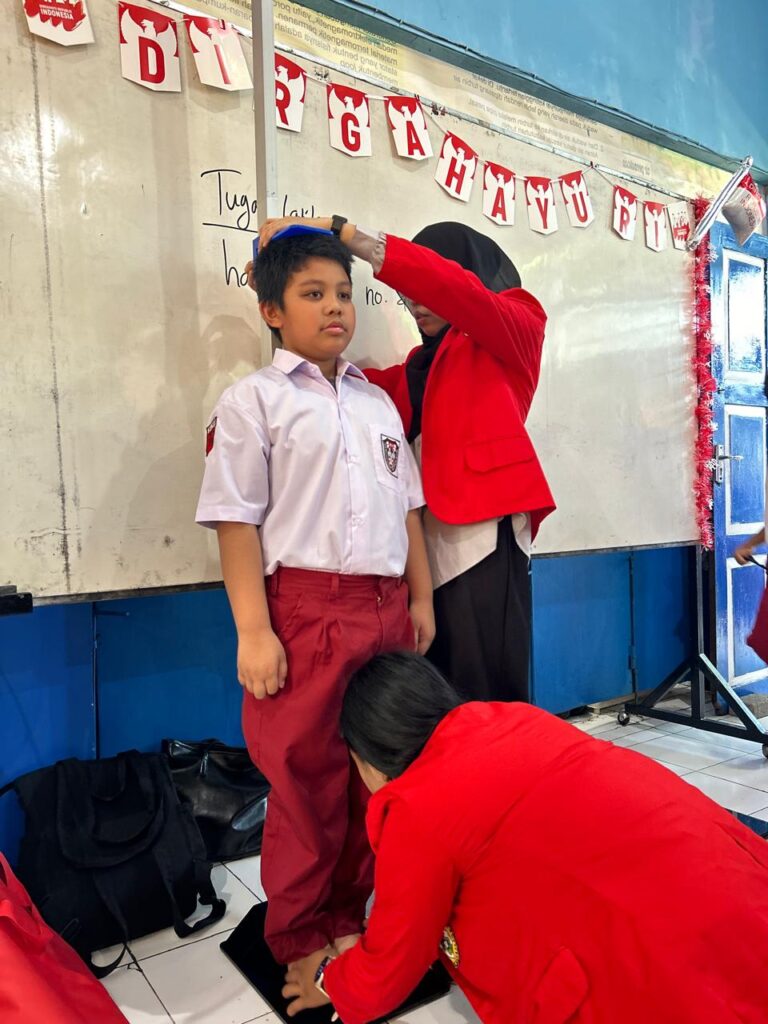
The findings reveal a critical disconnect. While children with a good understanding of food labels were found to be significantly more protected against obesity a finding that directly contributes to SDG 3: Good Health and Well-being by identifying a key factor in preventing non-communicable diseases this knowledge rarely translated into action. A staggering 97% of children reported that their decision to buy ultra-processed foods (UPFs) was not influenced by label information. Instead, children focused on basic elements like expiration dates and the halal logo, largely ignoring complex nutritional facts. This highlights a significant gap in current educational approaches.
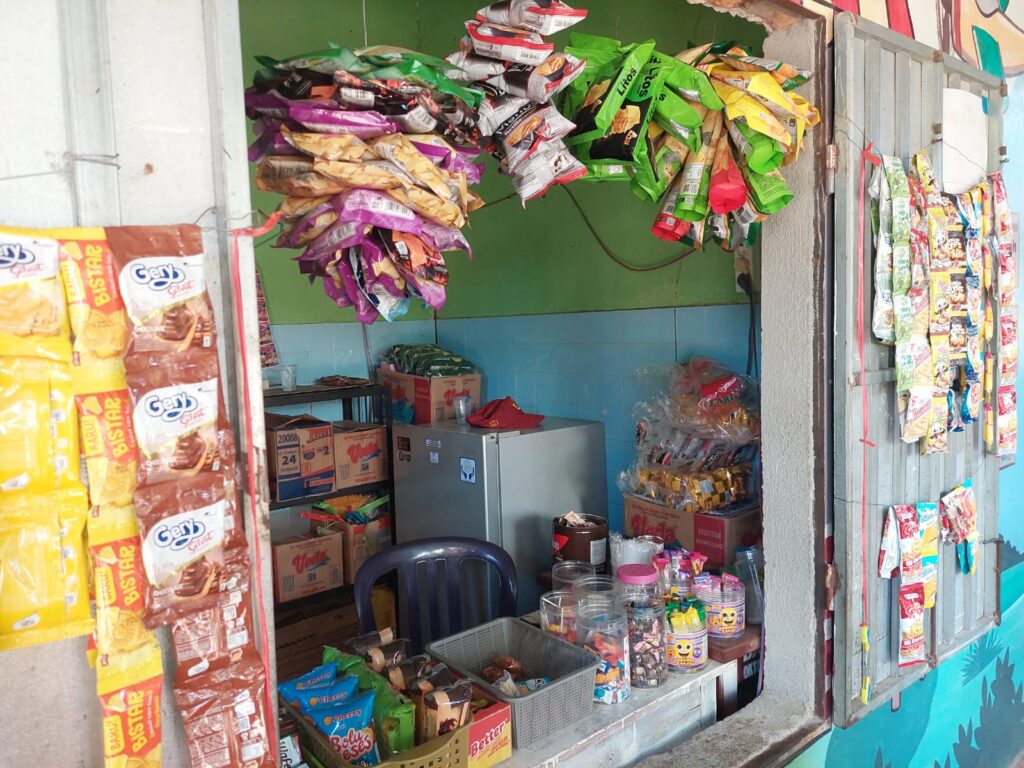
Furthermore, the research points to a powerful external force: the obesogenic environment. Observations revealed that 90% of school canteens were dominated by UPFs, and every single school was surrounded by street vendors selling unhealthy options. This environment systematically undermines individual efforts to eat healthily. By meticulously identifying these environmental barriers, the study provides crucial data to support SDG 4: Quality Education, demonstrating the urgent need for school-based nutrition literacy programs that go beyond theory and teach practical skills for navigating a food landscape filled with unhealthy choices.
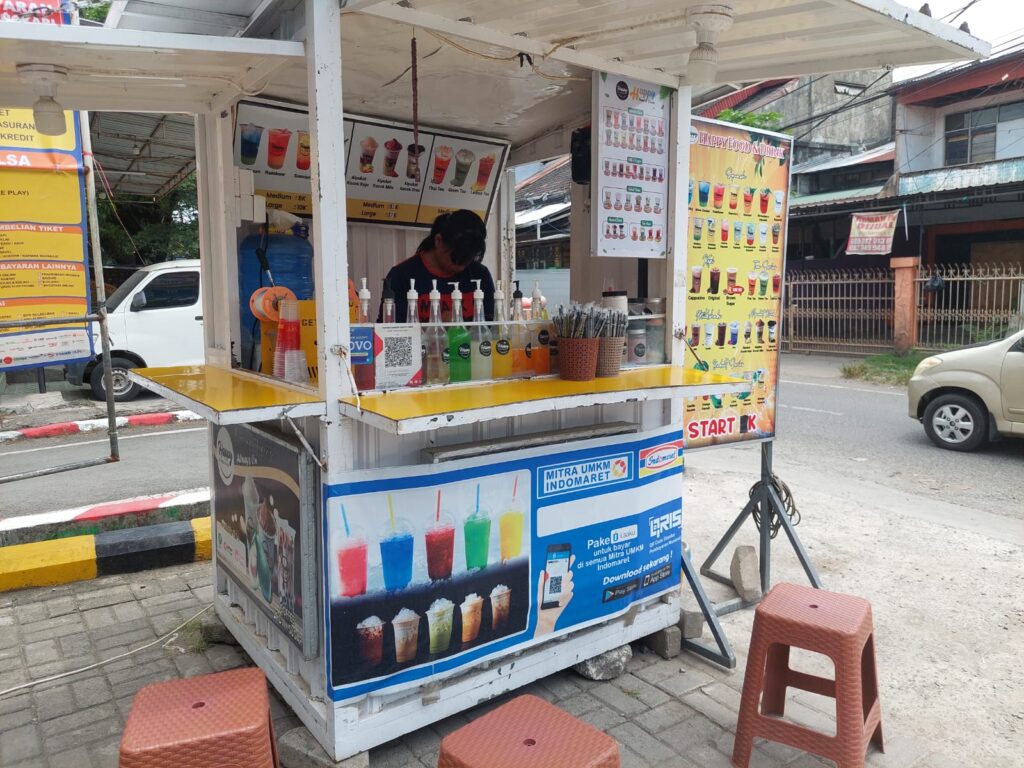
The study also underscores that poverty and limited understanding are interconnected. Many parents, despite having economic means, had low nutrition literacy and struggled to control their children’s preferences for tasty but unhealthy UPFs, often giving in to pester power. This finding is a stark reminder that achieving SDG 1: No Poverty is not just about income, but also about ensuring families have the knowledge and agency to make healthy choices, breaking the cycle where poor nutrition leads to poor health outcomes and long-term economic burdens.
Ultimately, this research demonstrates that childhood obesity is not simply a matter of individual choice. It is a systemic issue born from the interaction between low nutrition literacy and an environment that constantly promotes unhealthy food. Addressing this challenge requires a robust, multi-sectoral partnership, as emphasized by SDG 17: Partnerships for the Goals. It calls for collaboration between schools, families, government bodies like BPOM, and academics to create a supportive ecosystem. This includes reforming food labeling to be more child-friendly, regulating food sales around schools, and empowering parents with the skills to guide their children toward a healthier future.