Research Project

Screenshot 2026-04-03 at 10.06.27
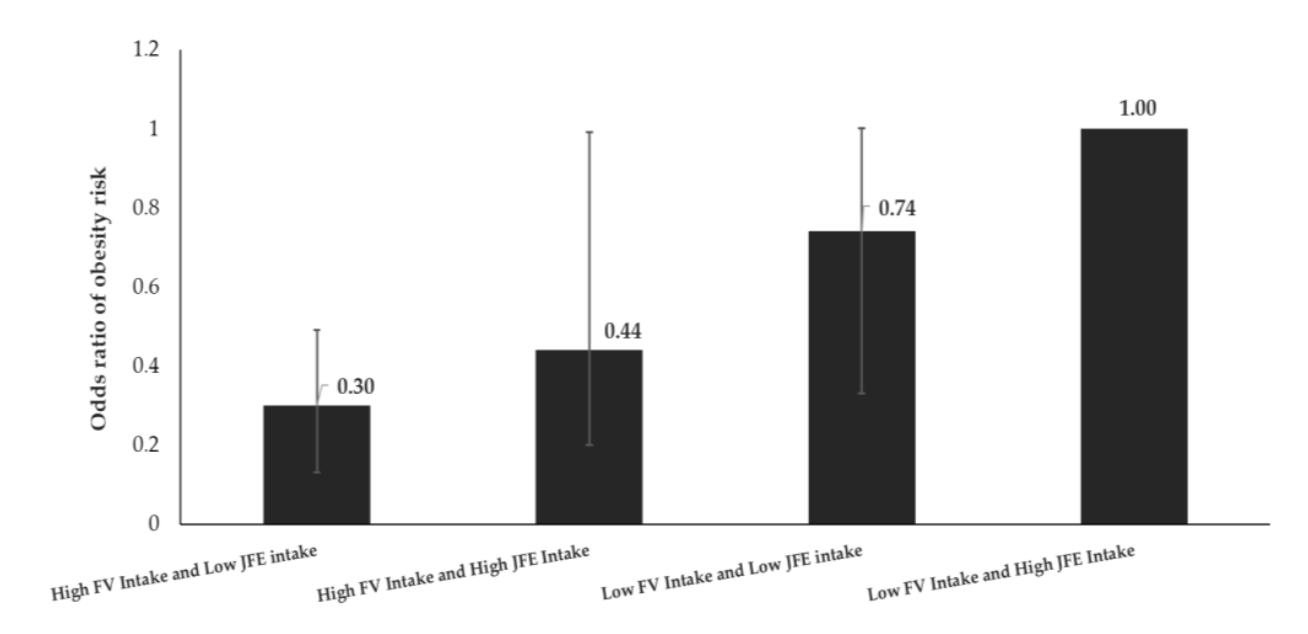
Why Children Become Obese: It’s Not Just About Junk Food

This study shows that childhood obesity is not driven by a single behavior, but by the interaction of multiple lifestyle factors—diet, physical activity, and sedentary habits. Children who combine low fruit and vegetable intake with high screen time face the greatest risk, highlighting the need for integrated interventions. The findings emphasize that effective policies should move beyond single-focus strategies and instead create environments that simultaneously support healthy eating and active living.

Project 1
Why Stunting Prevention Must Start Before Birth: Lessons from Sulawesi

This study highlights a critical gap in current stunting prevention strategies, showing that growth faltering often begins before birth and is strongly influenced by maternal nutrition and early-life conditions. The findings emphasize the need for policy shifts toward earlier interventions, including improved maternal nutrition, preconception care, and strengthened support during pregnancy, to more effectively prevent stunting from the very beginning of life.

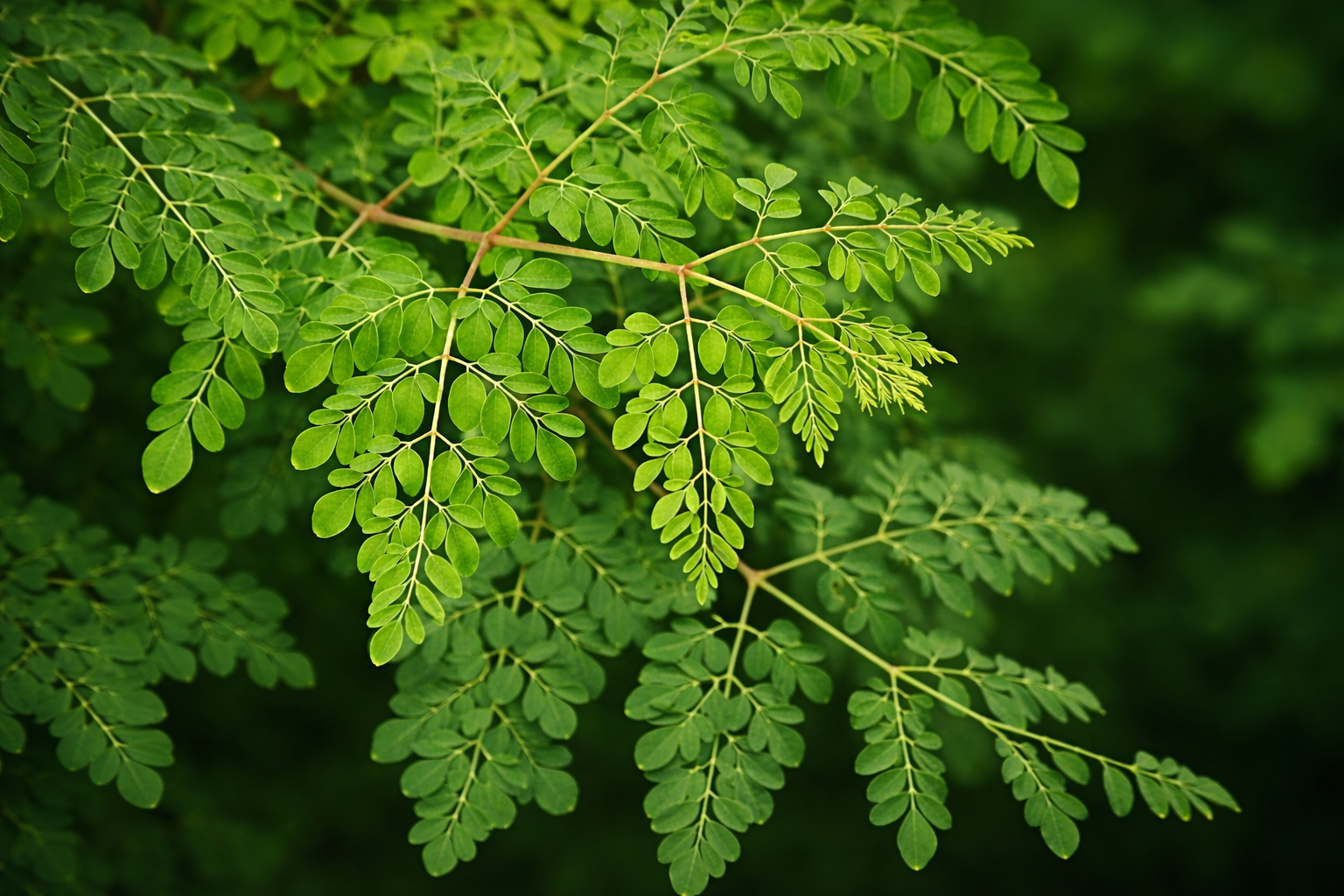
Delicate green moringa leaves close-up
A Simple Leaf That Could Help Babies Start Life Healthier

Could a simple local plant hold the key to healthier babies? In rural Indonesia, Moringa has long been trusted as a nutritious food—but new research suggests it may do more than tradition claims. This study reveals how Moringa supplementation may improve birth weight and placental health, while also uncovering a surprising factor that matters just as much: a mother’s emotional wellbeing. It’s a powerful reminder that healthy pregnancies are shaped by both what mothers eat—and how they feel.

Screenshot 2026-04-03 at 09.06.57
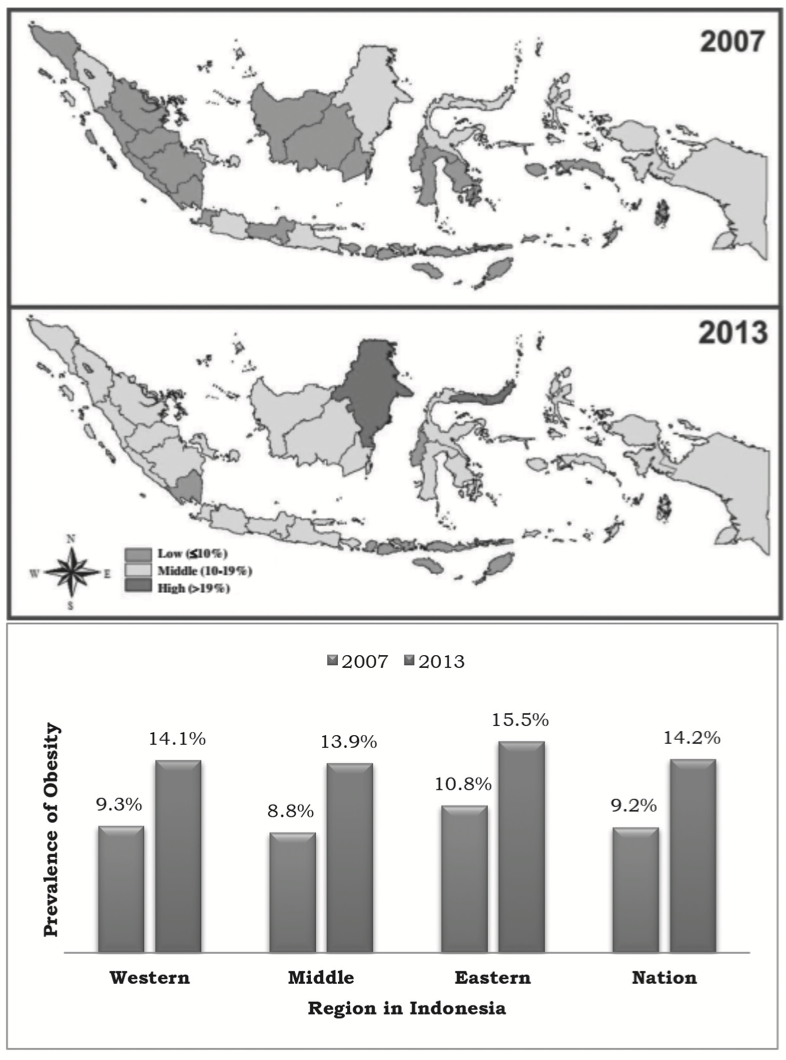
Obesity Is Rising in Indonesia—but Not Everywhere for the Same Reasons

Indonesia is changing fast, but are our lifestyles changing faster than our health can handle? As cities expand and food becomes more accessible, obesity is quietly rising across the country, with patterns that differ sharply between regions. This article uncovers how urbanization, diet, physical activity, and even employment status intertwine to shape obesity risk—and why the same forces are now beginning to affect children. If left unaddressed, today’s trends may define the health of the next generation.

Project 8
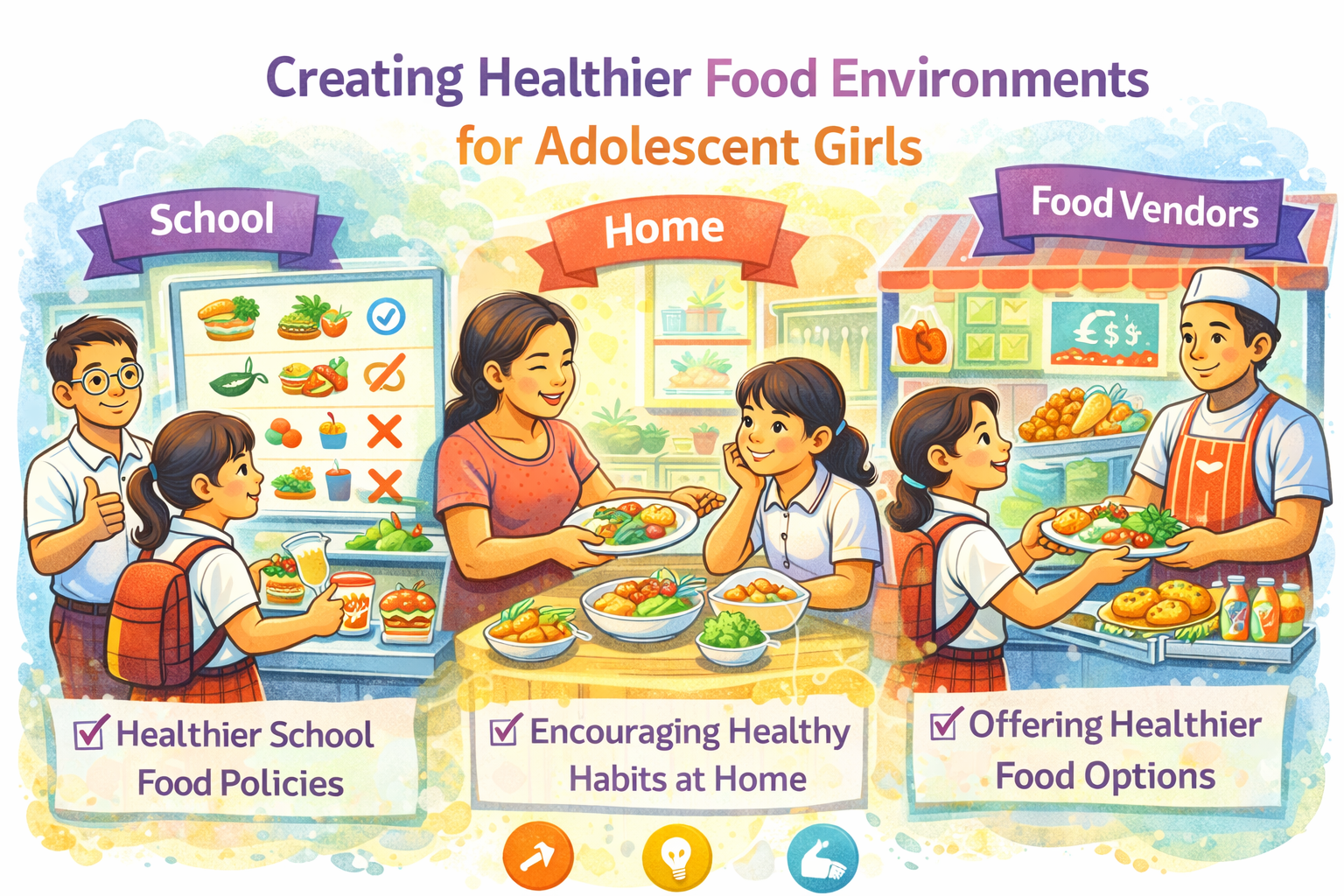
Creating Healthier Food Environments for Adolescent Girls

Why do adolescent girls continue to face undernutrition, obesity, and micronutrient deficiencies, often at the same time, despite growing awareness of healthy eating? This article reveals that the answer goes beyond individual choice, uncovering how schools, homes, and even food vendors quietly shape what girls eat every day. Through real voices from West Sulawesi, it exposes the hidden tensions between knowledge, habits, and food access—raising a critical question: are we addressing nutrition, or just advising it?
Project 7d
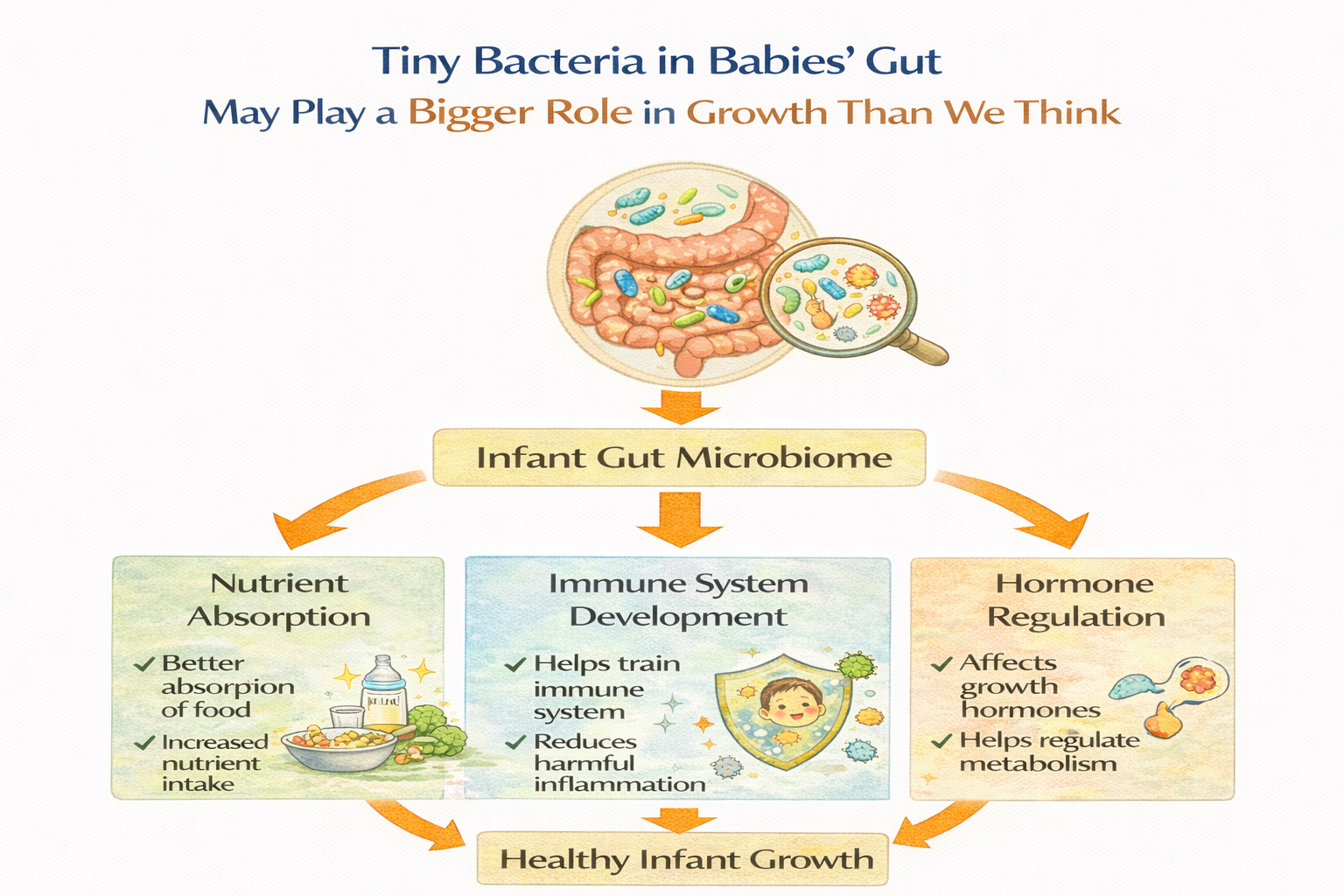
Tiny Bacteria in Babies’ Gut May Play a Bigger Role in Growth Than We Think

This article highlights emerging evidence that the gut microbiome (tiny bacteria in infants’ digestive systems) may play an important role in early growth. Beyond nutrition and environment, these microbes support nutrient absorption, influence growth-related hormones, and strengthen immune and gut health. Although the mechanisms are still being explored, the findings suggest that infant growth is shaped by complex biological interactions, with important implications for long-term health and efforts to reduce malnutrition.

Project 5
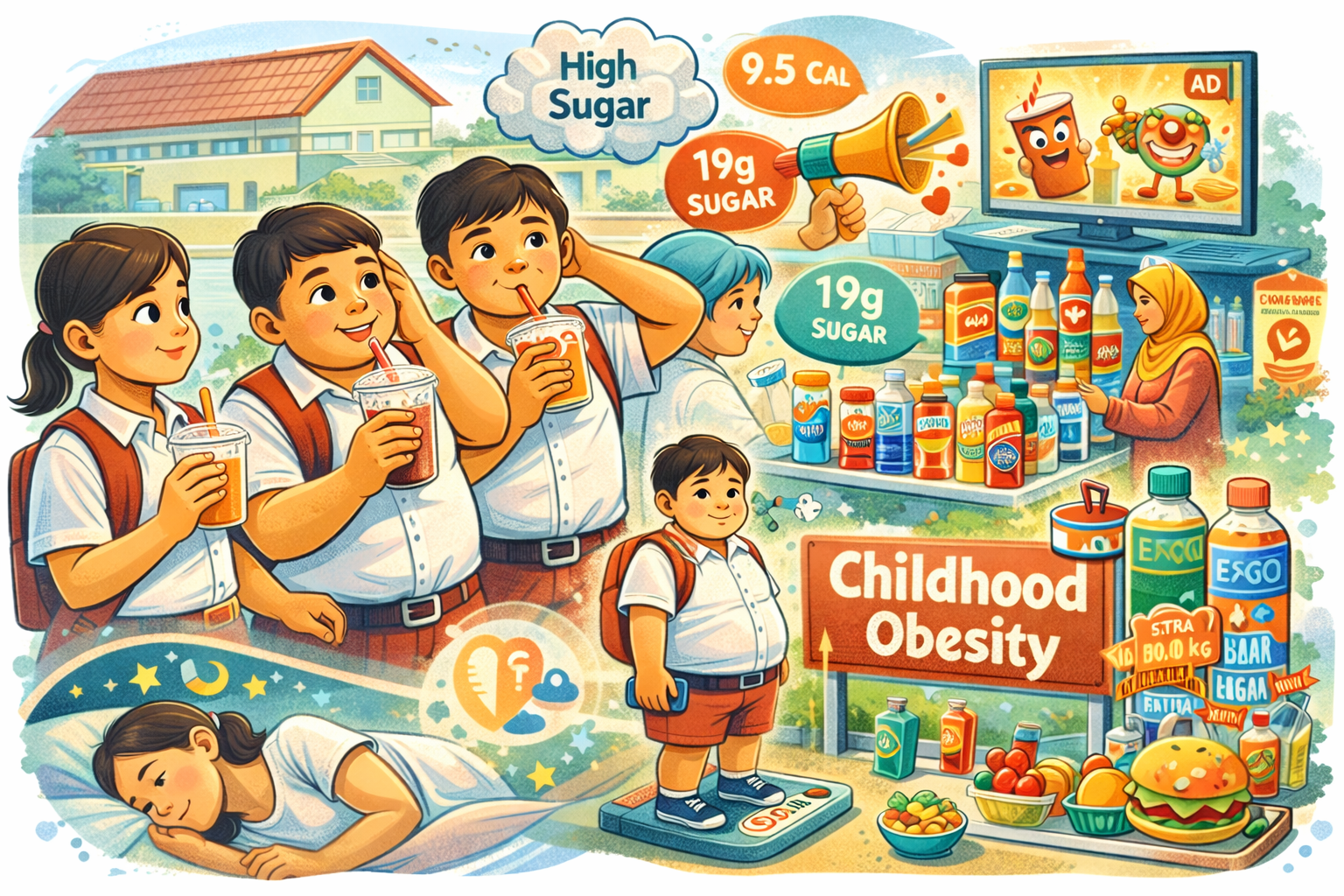
The Sweet Trap at School: How Sugary Drinks May Be Driving Childhood Obesity

Sugary drinks are a common choice for schoolchildren, but frequent consumption may double the risk of obesity. This study highlights how school environments, pricing, and marketing influence daily habits and shape children’s long-term health outcomes.

Project 3
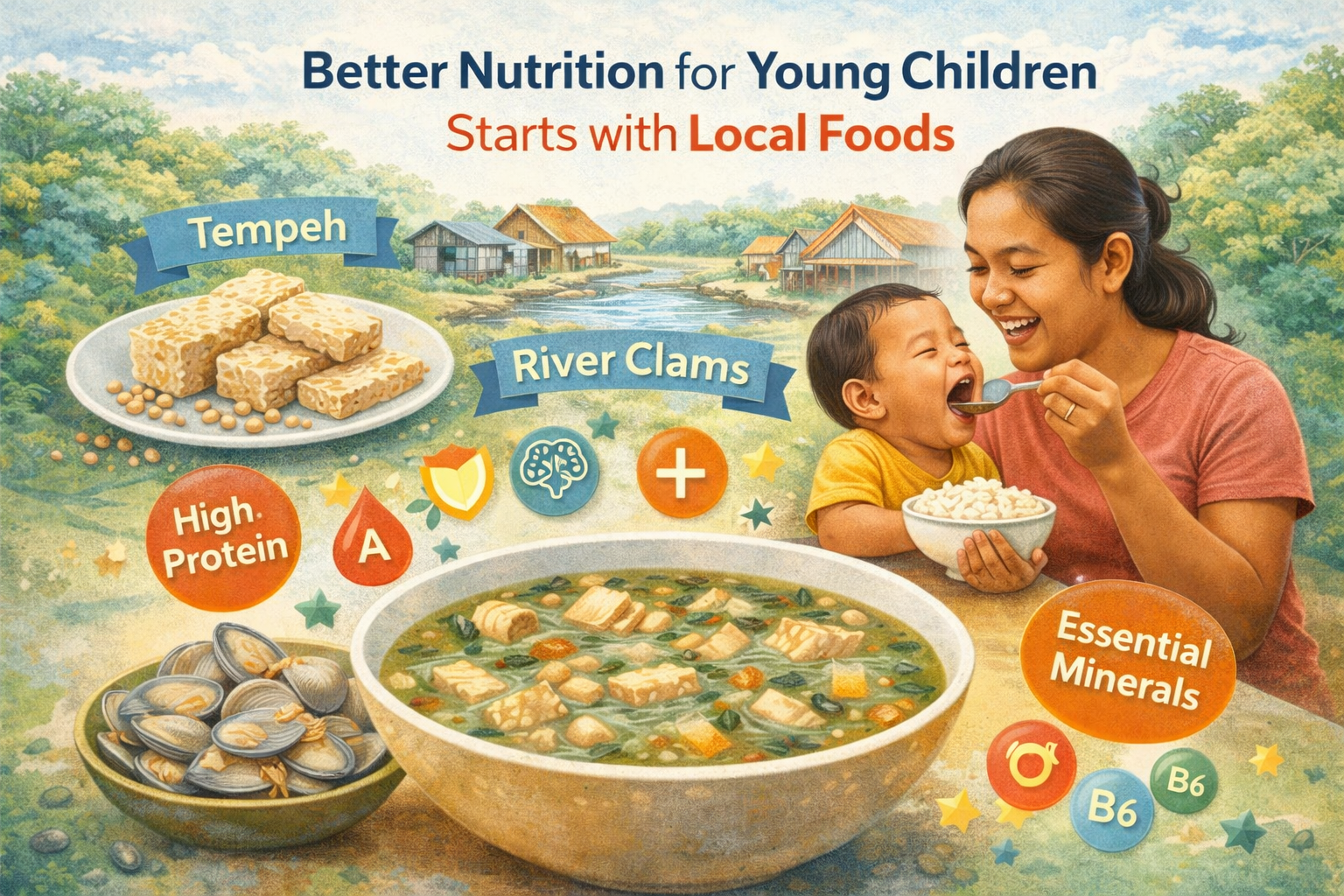
Better Nutrition for Young Children Starts with Local Foods

Using local foods like tempeh and river clams, this study shows how simple, affordable innovations can improve toddler nutrition and help prevent stunting, offering practical, community-based solutions for healthier child development.

Project 2
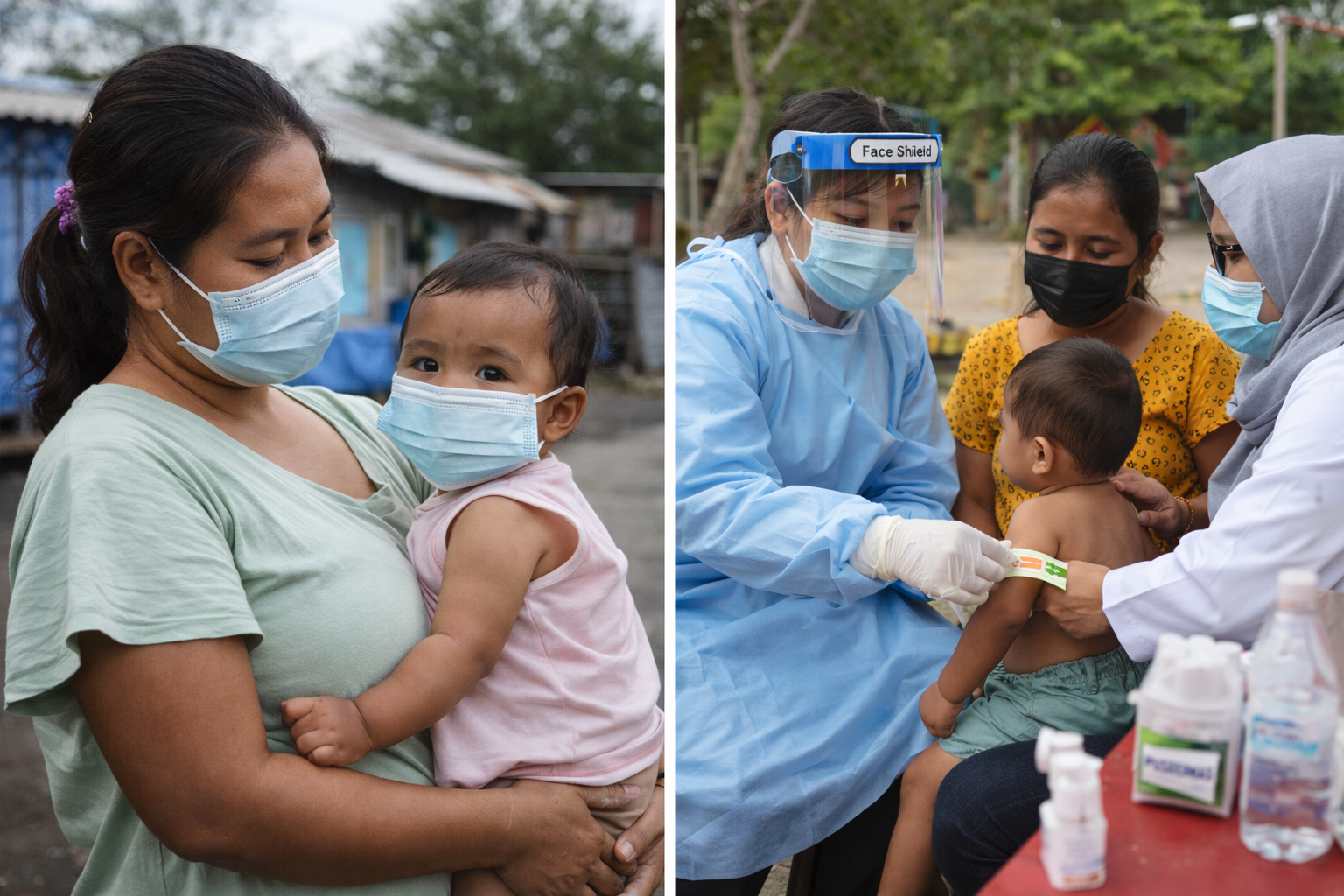
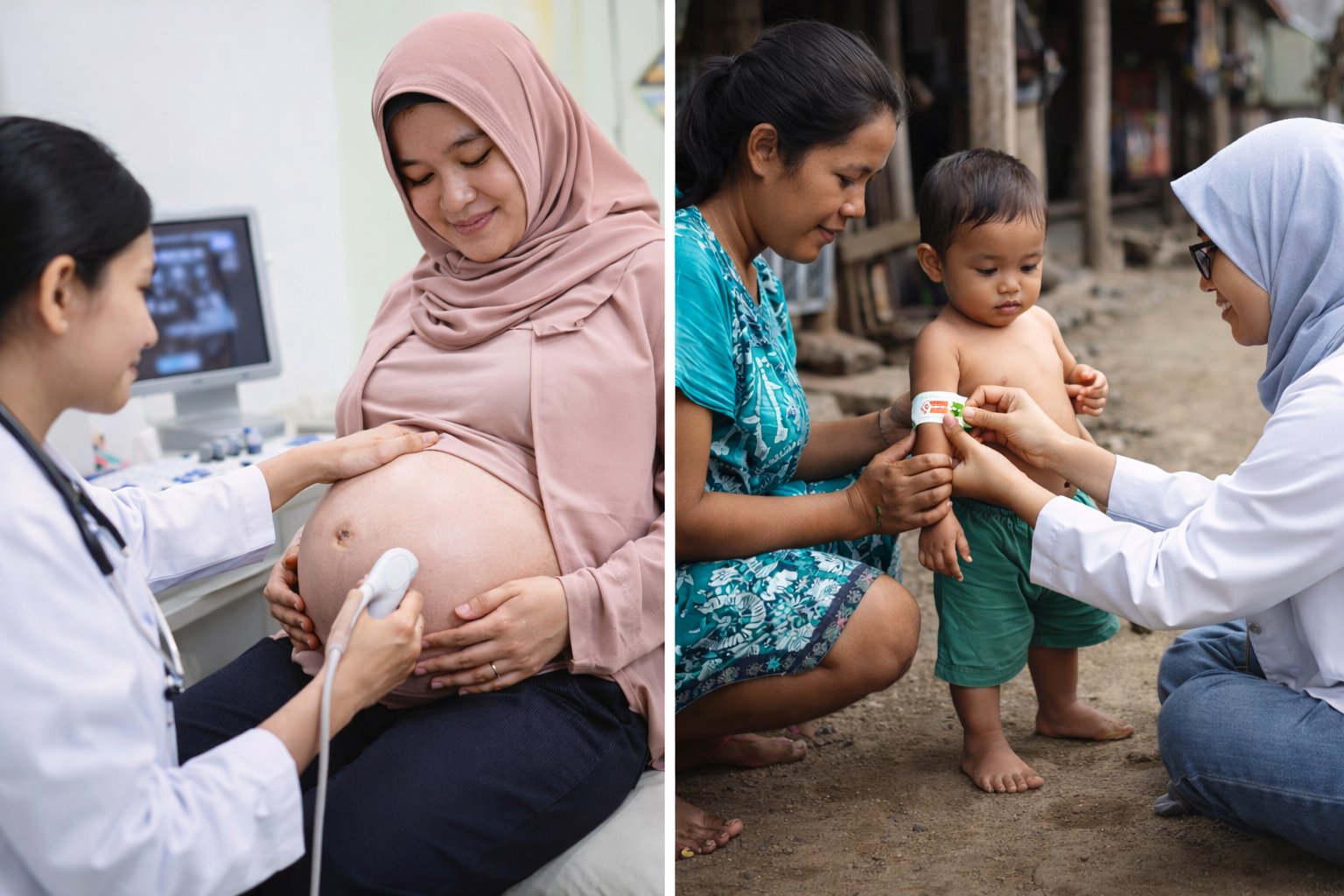
When the Pandemic Changed How Mothers and Babies Receive Care

The COVID-19 pandemic disrupted essential maternal and child health services, forcing families and midwives to adapt to new challenges. This study from Banggai, Indonesia highlights how communities navigated limited access, shifting service delivery, and economic pressures—offering key lessons for building more resilient health systems.