

MAKASSAR, Indonesia Mar 11 2026/OCN-RG/ – In a world where obesity rates are climbing, impacting millions and placing a heavy burden on healthcare systems, the search for effective, non-pharmacological interventions is more critical than ever. A groundbreaking experimental study was conducted to explore this very challenge. From October 8, 2025, a dedicated research team at the Zoonotic Laboratory, Faculty of Medicine, Hasanuddin University, embarked on a mission to evaluate the combined power of dietary timing and nutrition. The study, involving 20 mice (Mus musculus) as subjects, investigated the effects of intermittent fasting and a high-fiber diet on cholesterol and blood sugar levels in obesity.

Obesity is a complex metabolic disorder that serves as a gateway to various non-communicable diseases, including diabetes and heart disease. This research aimed to dissect whether manipulating when we eat, combined with what we eat, could offer a synergistic solution. The mice, already in an obese state, were divided into four groups to isolate the effects of each intervention. Some underwent intermittent fasting with a 16:8 schedule (16 hours of fasting, 8 hours of eating), others were given a diet enriched with fiber from local Indonesian sources like pumpkin and seaweed, and a final group received a combination of both treatments. This rigorous experimental design allows for a clear understanding of how these lifestyle factors interact at a biological level.
The results were illuminating, revealing a targeted benefit that aligns perfectly with global sustainability goals. The most striking finding was on cholesterol levels. The group receiving the combined intervention of intermittent fasting and a high-fiber diet showed a significantly greater reduction in cholesterol compared to groups receiving only one of the treatments. This suggests a powerful, selective effect on lipid metabolism. Intriguingly, while cholesterol improved, significant changes in body weight and blood glucose were not observed within the study’s timeframe. This indicates that metabolic improvements, particularly in fat management, can occur independently of weight loss, offering a nuanced strategy for managing conditions like dyslipidemia.


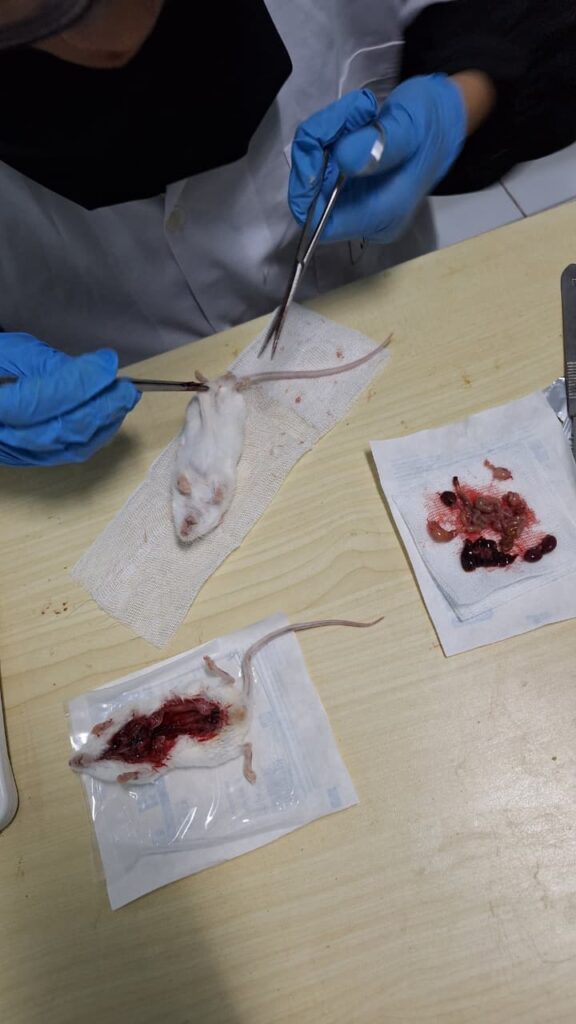
This research is a direct contribution to several key Sustainable Development Goals (SDGs) . By tackling a root cause of chronic disease, it supports SDG 3: Good Health and Well-being, aiming to reduce premature mortality from non-communicable diseases. The study itself is a product of advanced academic inquiry, strengthening the capacity for scientific discovery. Furthermore, this project exemplifies the power of collaboration, bringing together resources from the university’s Faculty of Public Health and Faculty of Medicine. This interdisciplinary partnership is a perfect illustration of SDG 17: Partnerships for the Goals, demonstrating that complex health challenges are best solved through united effort.
The findings from this study, conducted with 20 mice at the Zoonotic Laboratory, open new avenues for dietary recommendations. They suggest that a combination of structured fasting and a fiber-rich diet, utilizing local foods, could be a potent strategy for improving metabolic health. By generating evidence-based insights, this research not only advances scientific knowledge but also provides a practical, sustainable pathway toward a healthier future, directly supporting the global commitment to ensuring healthy lives and promoting well-being for all.