
Strengthening Academic and Diplomatic Synergy: Leader of PCD-RG Prof. Dwia Aries Tina Pulubuhu Visits the Ministry of Foreign Affairs
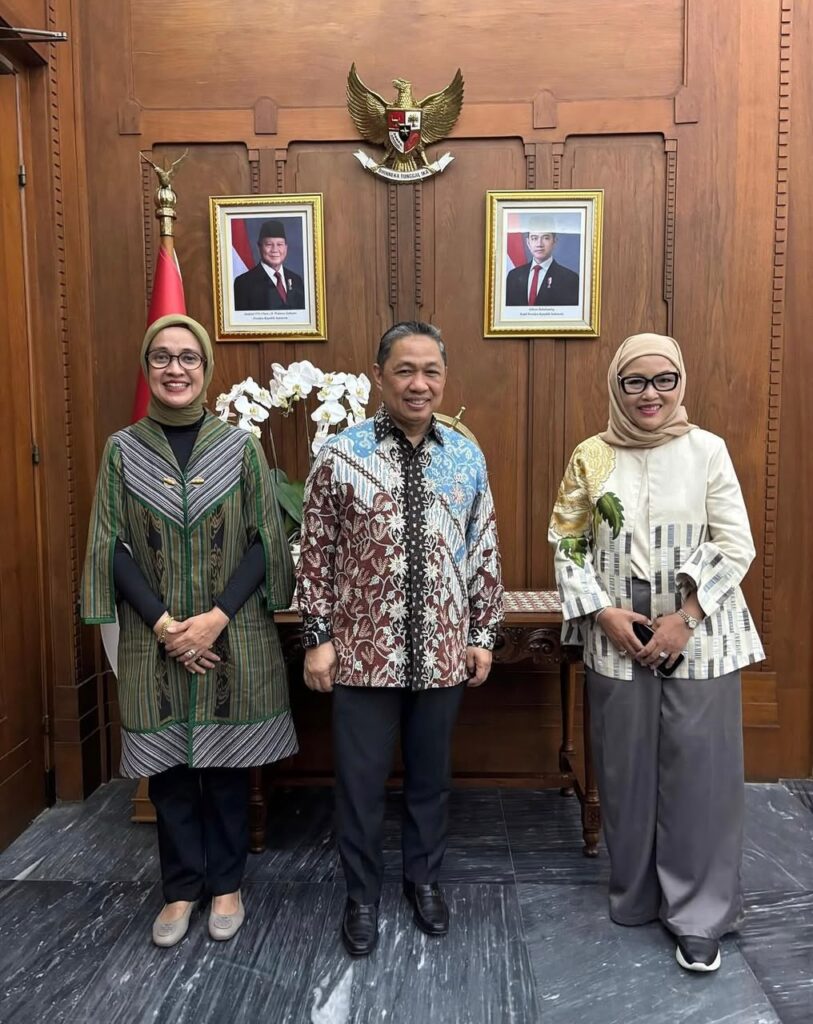
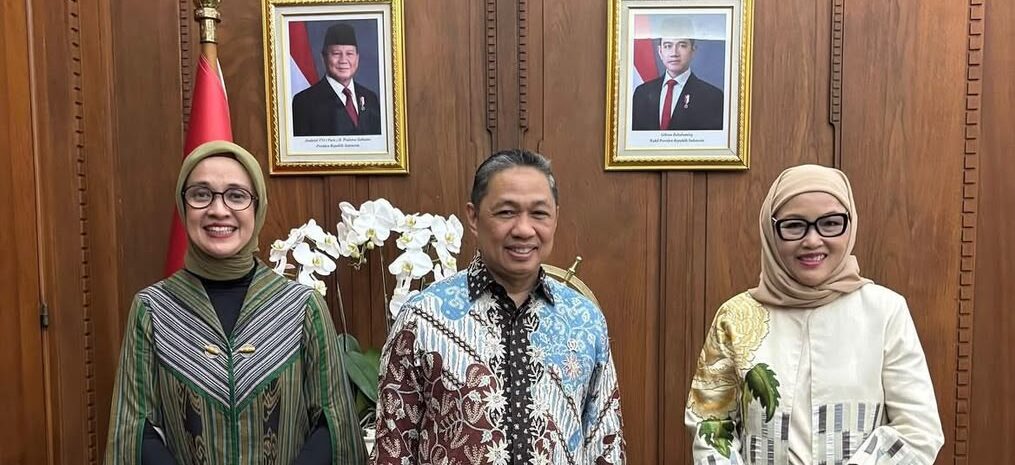
In an ongoing effort to expand academic contributions and the implementation of applied research toward the trajectory of Indonesia’s global diplomacy, the Leader of the Peace, Conflict, and Democracy Research Group (PCD-RG), who also serves as the Founder and Senior Researcher of the Center for Peace, Conflict, and Democracy (CPCD) at Universitas Hasanuddin, Prof. Dwia Aries Tina Pulubuhu, M.A., conducted a strategic official visit to the Ministry of Foreign Affairs of the Republic of Indonesia. This highly significant and strategically valuable visit took place on June 4, 2025. During this official agenda, she was warmly received and held a direct, high-level meeting with Mr. Anis Matta.
This high-level meeting served as a crucial momentum for CPCD Universitas Hasanuddin and relevant government institutions to align their visions concerning peacebuilding and conflict resolution. In a comprehensively structured discussion, Prof. Dwia personally introduced the core vision and mission of CPCD to the ministry. She articulated that the study center and research group are fundamentally dedicated to operating in the field of applied research. More specifically, the scholarly and practical endeavors undertaken by the center are closely related to targeted mediation efforts, comprehensive conflict resolution, and the systemic strengthening of democracy across various layers of society.
The active presence of academic research institutions is considered to hold a fundamental role in bolstering the government’s diplomatic measures in the international arena. The applied research produced by the distinguished experts under the umbrella of PCD-RG and CPCD is specifically designed to provide an empirical foundation, data-driven recommendations, and tactical insights for national policymakers. Expertise in the intricate fields of mediation and conflict resolution has become exceptionally relevant today in assisting the state to navigate complex geopolitical dynamics, regional tensions, and global peace challenges, which currently demand nuanced handling from diverse standpoints, prominently including the academic perspective.
Furthermore, this proactive initiative on June 4, 2025, profoundly reflects Universitas Hasanuddin’s robust commitment to continually expanding its institutional partnership networks with central ministries. The active involvement of this peace, conflict, and democracy research collective—which is notably based in Eastern Indonesia—is anticipated to inject objective, scientific perspectives into the formulation of Indonesia’s foreign policy. This pivotal visit emphatically underscores that close collaboration between higher education institutions and government apparatus is the primary key to bridging the gap between theoretical studies on campus and the practical execution of diplomacy in the field.
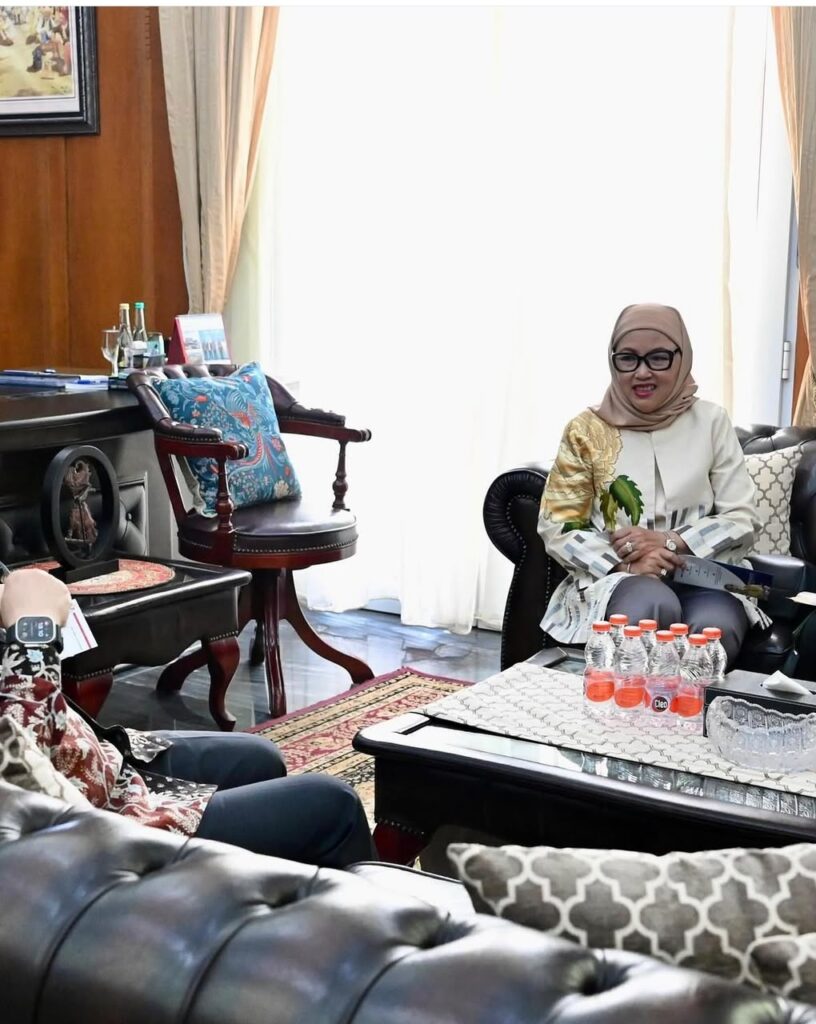
Moving forward, the constructive ideas and shared frameworks born from the strategic dialogue between Prof. Dwia Aries Tina Pulubuhu and Mr. Anis Matta at the Ministry of Foreign Affairs are expected to transform into tangible, collaborative programs. The sustainable synergy between university academics and government practitioners is widely believed to further consolidate Indonesia’s strategic position as a proactive nation that persistently promotes humanitarian values, actively facilitates peaceful dialogue, and significantly contributes to strengthening sustainable democratic architectures at both regional and international levels.
This high-level dialogue between academia and government apparatus is deeply aligned with the United Nations Sustainable Development Goals (SDGs), acting as a fundamental catalyst for systemic societal progress. Crucially, the collaborative initiative explicitly champions SDG 17: Partnerships for the Goals by establishing an exemplary multi-stakeholder synergy between higher education researchers and central government policymakers to enhance international policy coherence. Furthermore, by translating applied peacebuilding research into actionable academic knowledge and public policy insights, the initiative strongly supports SDG 4: Quality Education, enriching lifelong learning frameworks and higher education curricula. Indirectly yet fundamentally, mitigating systemic conflict and safeguarding democratic stability underpins SDG 1: No Poverty, as sustainable peace and effective conflict resolution mechanisms prevent the severe economic disruption, institutional fragility, and widespread impoverishment caused by socio-political crises.