
PCD-RG Team Takes to the Field to Conduct Interviews and FGDs in Poso Regency for Data Collection of Riset Kolaborasi Indonesia 2026
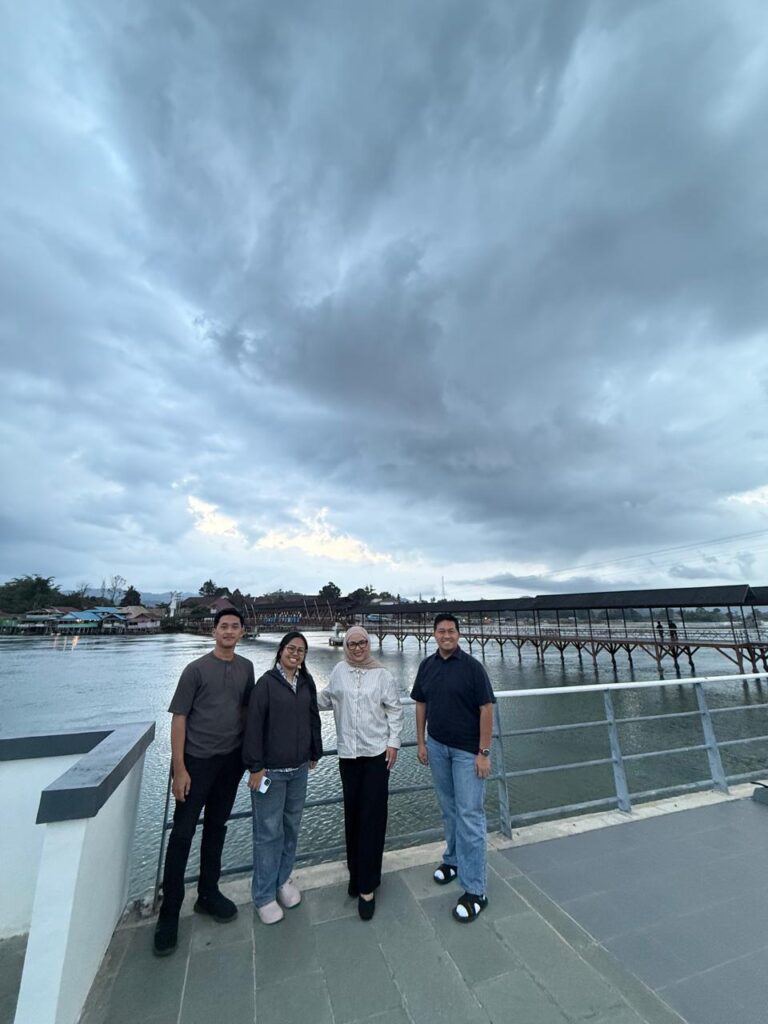
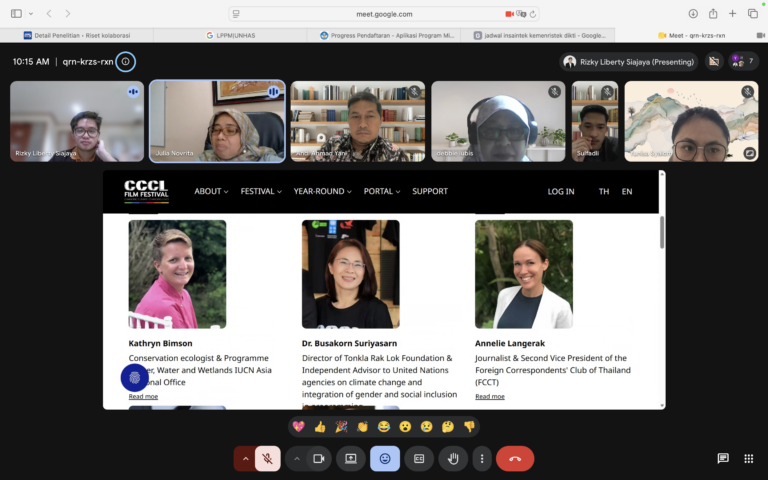
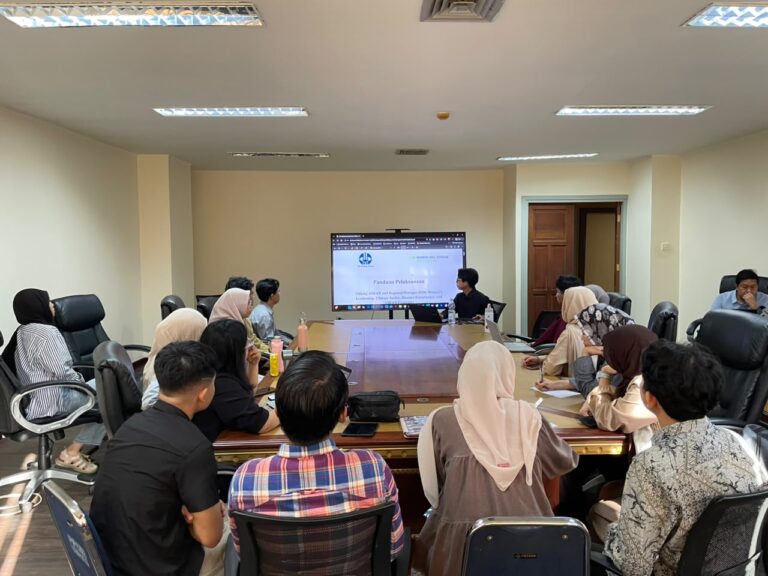
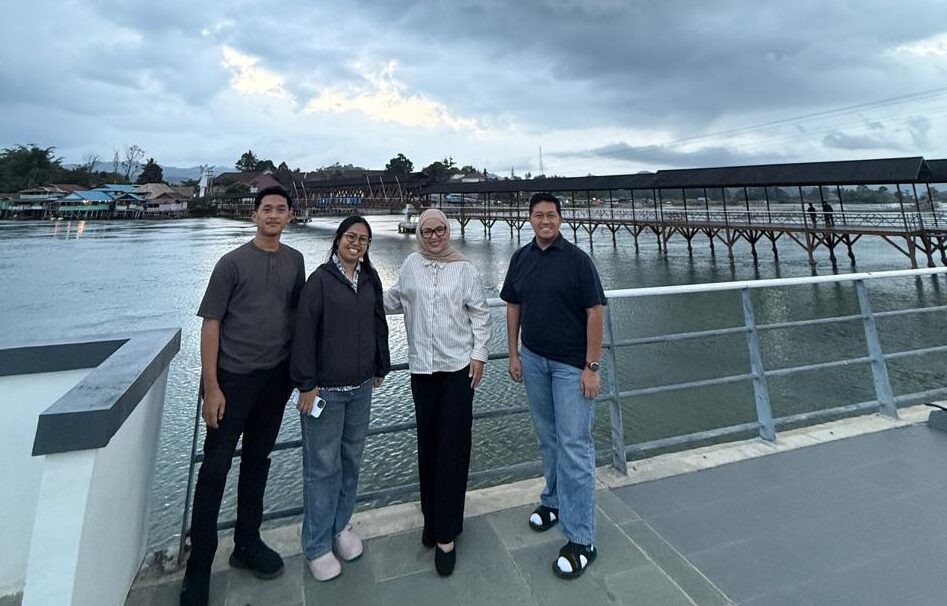
Rigorous sociological research demands continuous validation to ensure the absolute accuracy of empirical findings. Following the successful preliminary survey, the Peace, Conflict, and Democracy Research Group (PCD-RG) advanced to the next critical methodological phase of the “Riset Kolaborasi Indonesia 2026” (Indonesian Collaborative Research) program. Between July 21 and July 25, 2026, a specialized academic delegation traveled directly to Poso Regency to conduct comprehensive qualitative data collection. Led by the Leader of PCD-RG, Prof. Dwia Aries Tina Pulubuhu, the team included Senior Researcher Andi Ahmad Yani, S.Sos., M.Si., MPA, M.Sc., alongside Junior Researchers Sulfadli, S.A.P., M.A.P., and Yunisa Syalom P., S.Sos., M.Sc. This field deployment was strategically designed to confirm quantitative baseline data and capture a more nuanced sociological reality.
Securing profound, context-specific insights requires direct engagement with key community figures. To achieve this, the research team conducted intensive, in-depth interviews with 12 meticulously selected respondents across Poso. These essential informants comprised Religious Leaders, Traditional and Indigenous Leaders, dedicated Peace Activists, Academics, and influential Youth Leaders. By prioritizing diverse qualitative narratives, the researchers effectively uncovered the complex, underlying socio-cultural dynamics that govern grassroots peacebuilding. This targeted methodological approach allows scientists to explore the lived experiences and localized wisdom that standard numerical surveys often cannot fully capture, ensuring a scientifically robust understanding of community resilience.
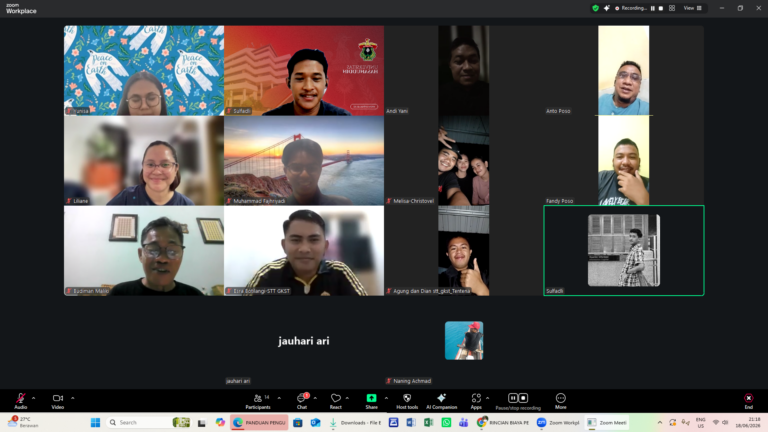
Furthermore, to facilitate dynamic communal discourse and cross-examine individual perspectives, the PCD-RG team hosted a specialized Focus Group Discussion (FGD) on July 23, 2026, situated in the heart of Poso City. This interactive session actively involved 15 selected participants who were previously engaged during the initial survey phase. Researchers deliberately invited these specific individuals because their preliminary quantitative responses demonstrated unique sociological patterns that required deeper exploration. Through this rigorous academic triangulation process, the FGD successfully provided a complete, multidimensional picture, flawlessly bridging informational gaps and enriching the foundational data collected earlier in the research timeline.
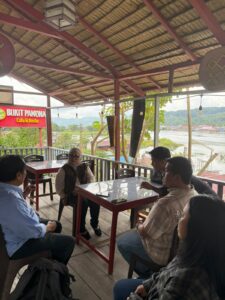
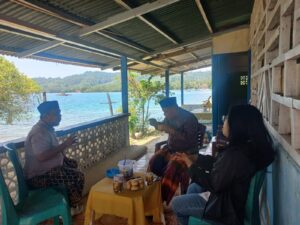
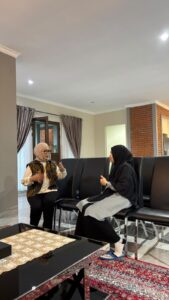
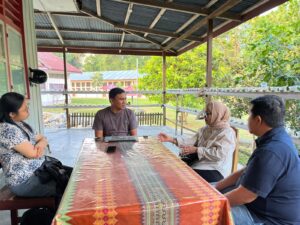
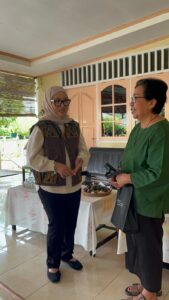
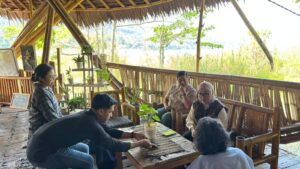
This comprehensive field expedition deeply resonates with the core objectives of the United Nations Sustainable Development Goals (SDGs). By actively connecting higher education institutions, local leadership, and grassroots civil society organizations, this research initiative explicitly champions SDG 17: Partnerships for the Goals. Such multi-layered alliances are strictly essential for formulating localized public policies. Additionally, the intensive knowledge exchange and the application of advanced qualitative methodologies in real-world contexts profoundly support SDG 4: Quality Education, actively promoting lifelong learning and critical analytical skills among all involved community actors.
Ultimately, the successful execution of these in-depth interviews and focus group discussions solidifies the academic integrity of the Riset Kolaborasi Indonesia project. The qualitative depth achieved by the PCD-RG team effectively complements the initial survey findings, generating a holistic and highly accurate dataset. This comprehensive evidence base will soon translate into actionable, culturally sensitive policy recommendations, empowering stakeholders to foster enduring harmony and sustainable democratic stability across Indonesia.