Participated as a poster contributor in the 4th International Conference on Environment and Sustainable Development (ICESD IV) 2025, organized by Hasanuddin University, Makassar, and conducted on 4–5 November 2025. The conference embraced the theme “Artificial Intelligence and Digital Innovation for Sustainable Development,” reflecting the expanding role of emerging digital technologies such as artificial intelligence, remote sensing, and big-data analytics in addressing contemporary environmental challenges and informing sustainable development strategies across different sectors.

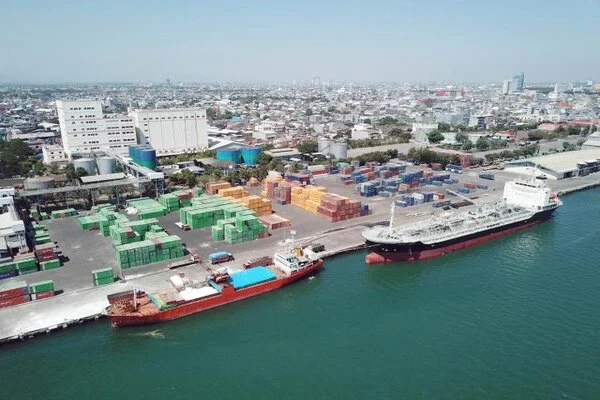
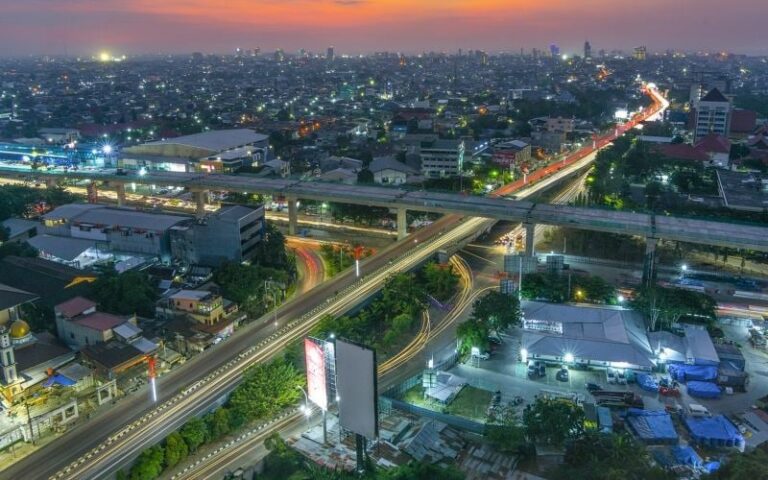
As part of the scientific program, a poster entitled “Modeling of Air Quality Parameters Using a Remote Sensing Approach in Makassar Metropolitan City” was presented. The research highlighted the utilization of satellite-based analyses to model spatiotemporal variation of PM₁₀ and CO concentrations, focusing on rapidly developing industrial and metropolitan environments. The poster delivery included explanation of methodological frameworks, imagery processing techniques, air-pollutant estimation algorithms, and validation references, followed by interactive discussions with conference participants.
The conference opened with an official registration, welcoming remarks, and a cultural agenda featuring traditional performances, signifying the local identity of South Sulawesi. Academic sessions included keynote presentations delivered by distinguished international and national experts from multiple institutions across Europe and Asia. These keynote deliveries discussed global environmental challenges, advancements in sustainability science, practical implementation of geospatial technologies, and the evolving role of AI in environmental systems management.


Over the span of two days, ICESD IV 2025 hosted a rich set of parallel presentation sessions, poster forums, knowledge-sharing activities, and professional networking opportunities. Participants joined multi-disciplinary rooms covering sub-themes such as:
- Environmental policy and governance
- Climate change mitigation and adaptation
- Environmental risk assessment and pollution control
- Biodiversity, biotechnology, and conservation strategies
- Sustainable agriculture and rural productivity
- Green innovation and renewable energy development
- Urban sustainability and resource-efficient infrastructure
- Digital transformation, social culture, and societal impact
In addition to poster participation, involvement extended to academic discussion rooms where presenters delivered oral sessions. These interactions allowed deeper insights into ongoing research trends and the integration of computational methods particularly AI, machine learning, big-data modeling, and GIS-based solutions to enhance environmental monitoring, predictive analytics, and early warning systems at the regional and national levels. Engagement throughout the event included direct exchanges with researchers, lecturers, graduate students, and industry actors. These peer discussions explored the challenges of integrating remote-sensing data with ground-based monitoring, the need for cross-disciplinary models to support pollution-related policy, and the potential for technological collaborations in the environmental field. Such conversations provided valuable feedback regarding data harmonization, model performance, and strategies for defining research contributions in urban-environment assessments.
Participation in ICESD IV also fulfilled the dissemination requirement of a TRG Grant, in which project outcomes were presented in the TRG Expo. During this session, research deliverables were showcased through structured visual material to communicate objectives, progress, and significance to the broader academic community. The TRG Expo format supported constructive evaluation and facilitated dialogue about the research’s practical applications, particularly in decision-support systems and environmental management programs.
The conference venue distributed between Unhas Hotel and the LPPM Building hosted thematic clusters of sessions. The first day focused on opening ceremonies, keynote speeches, and TRG promotional exhibitions, while the second day featured an extended series of parallel presentations and poster activities. Each session provided opportunities for iterative knowledge transfer, interdisciplinary cooperation, and mutual academic support among presenters from varied backgrounds.
Overall, participation in ICESD IV 2025 contributed to:
- enhancing scientific understanding of remote-sensing-based environmental modeling;
- broadening interdisciplinary comprehension across the environmental sciences;
- strengthening academic communication skills through poster and interactive discussion formats;
- receiving constructive criticism to improve analytical frameworks and satellite-data integration;
- expanding professional networks among experts and institutions;
- supporting collaborative development of sustainable technologies and climate-focused approaches;
- increasing international visibility of ongoing research under the TRG Grant scheme.
This involvement reinforced the importance of data-driven environmental assessment and demonstrated how remote-sensing approaches can play a central role in monitoring pollution patterns, supporting sustainability programs, and informing local policy development toward healthier urban environments.