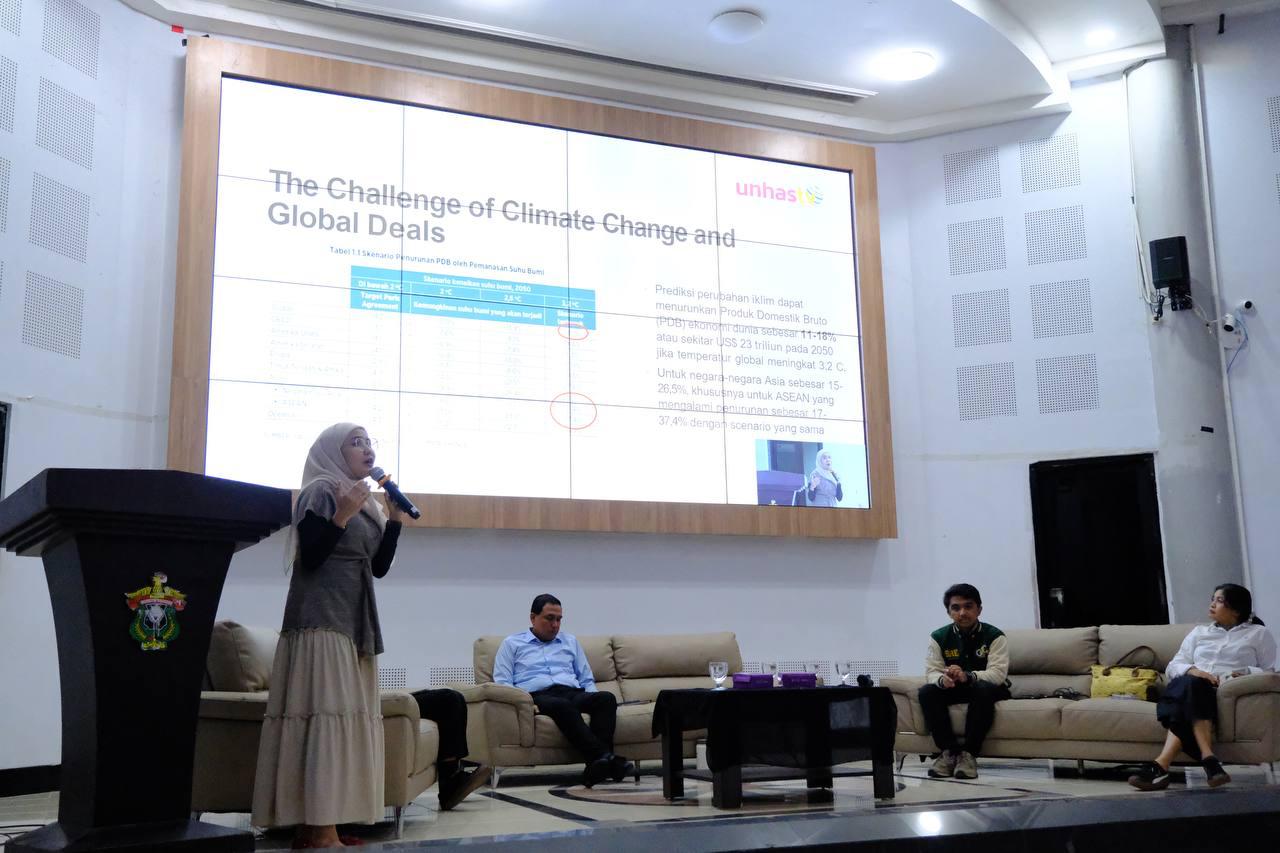

MAKASSAR – Environmental sustainability has emerged as one of the most pressing global challenges of the twenty-first century. Amid growing concerns regarding climate change, environmental degradation, biodiversity loss, and pollution, young people have become increasingly important actors in promoting sustainable development. In the digital era, social media has evolved beyond a communication platform into a powerful tool for environmental education, awareness campaigns, and community mobilization. Recognizing this potential, the Ident Talk entitled “From Social Media to Real Action: The Role of the Younger Generation in Maintaining Environmental Sustainability” was organized to encourage young people to transform digital awareness into meaningful environmental action.
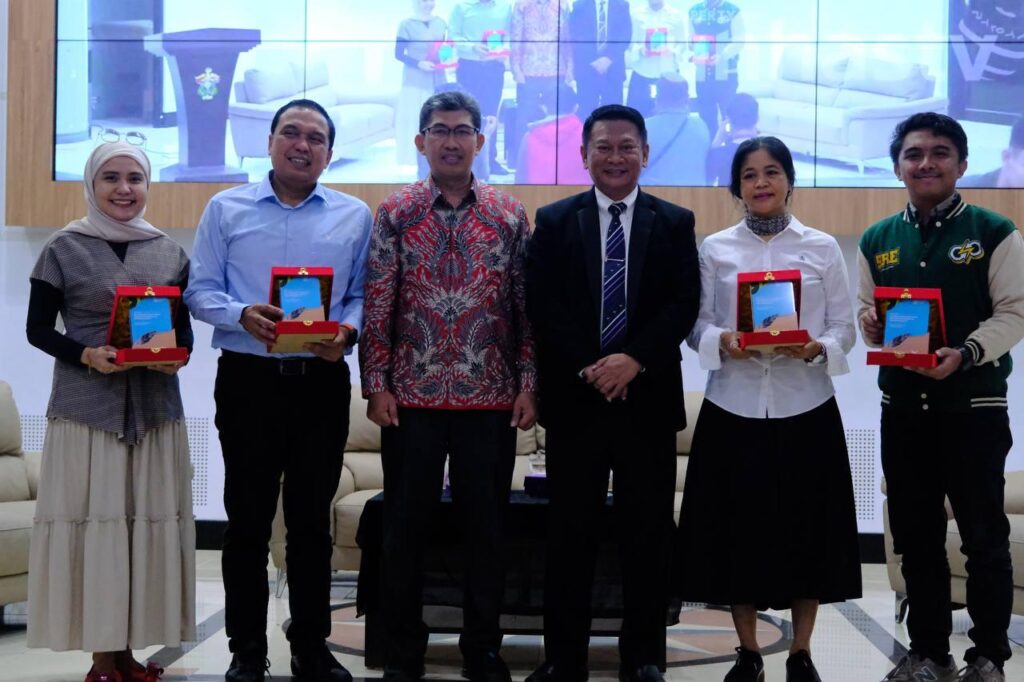
Held at Hasanuddin University on 10 January 2025, the event provided an inspiring dialogue space under the theme “From Social Media to Real Action: Young People and a Sustainable Healthy Environment.” The activity served as a collaborative platform that brought together students, academics, industry representatives, environmental communities, and the public to discuss innovative approaches and share best practices in environmental protection and sustainability initiatives.
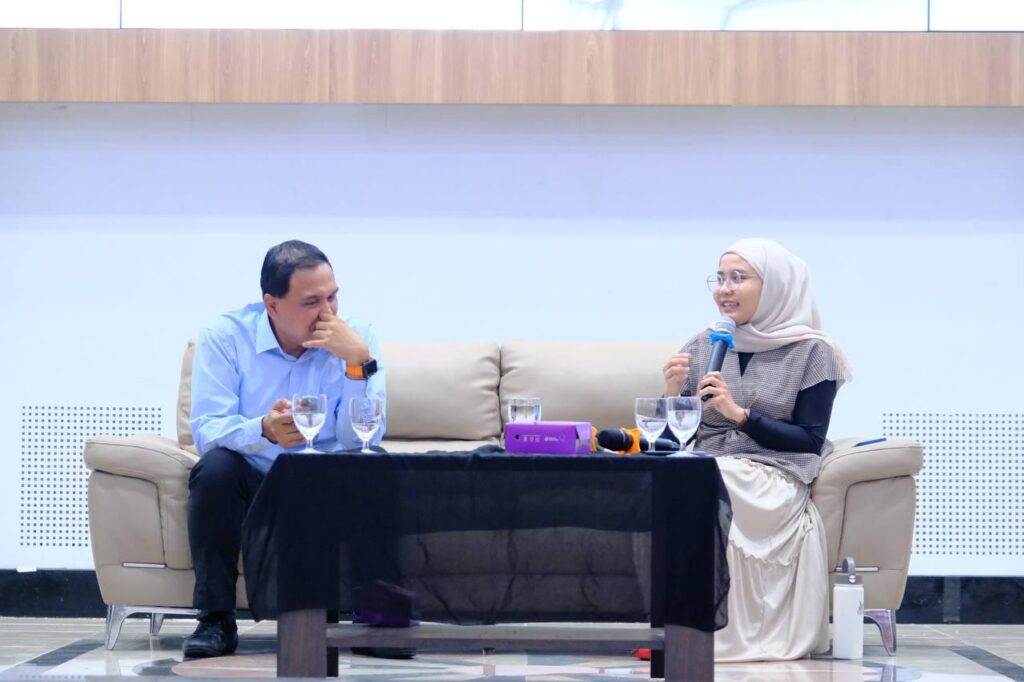
As the keynote speaker, Endra Kusuma, Head of External Relations for PT Vale Indonesia in Sorowako, highlighted the company’s commitment to implementing sustainable mining practices and integrating environmental responsibility into its operational activities. The discussion was further enriched by insights from Nurul Masyiah Rani, Lecturer in Environmental Engineering at Hasanuddin University, who emphasized the importance of environmental education and scientific literacy in addressing sustainability challenges. Additional perspectives were provided by Adib Mapparaga from the Society of Renewable Energy at Hasanuddin University, who discussed the role of renewable energy in supporting a low-carbon future, and Irmawati Puan Mawar from the Society of Indonesian Science Journalists, who explained how environmental journalism can strengthen public awareness and encourage evidence-based environmental action.
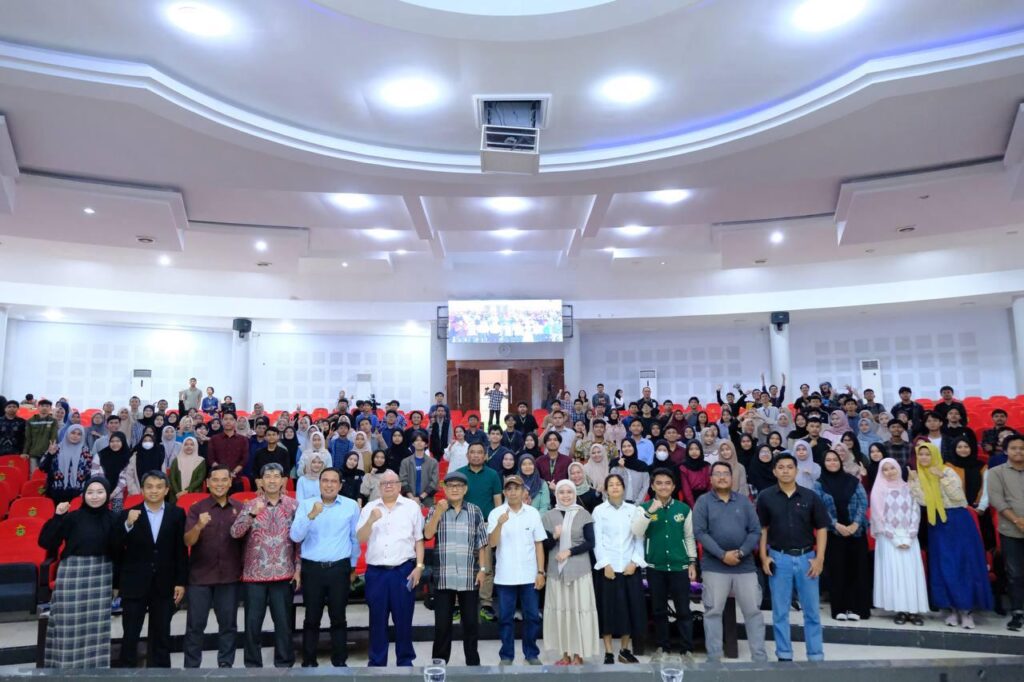
Attended by 150 participants, including students, lecturers, researchers, and representatives of civil society organizations, the event encouraged active discussions on how social media can be utilized to inspire behavioral change and collective environmental action. Participants explored the importance of moving beyond online advocacy toward tangible initiatives such as waste reduction programs, environmental conservation activities, sustainable consumption practices, and community-based environmental campaigns.
From a sustainable development perspective, the activity strongly supported SDG 4 (Quality Education) by promoting environmental literacy and providing a platform for knowledge exchange among stakeholders. The event also contributed to SDG 3 (Good Health and Well-being), as environmental sustainability is closely linked to public health through cleaner air, safer ecosystems, and healthier living environments.
Furthermore, discussions on environmental conservation aligned directly with SDG 14 (Life Below Water) and SDG 15 (Life on Land) by encouraging actions that reduce pollution, protect biodiversity, and preserve natural ecosystems. The activity also supported SDG 1 (No Poverty) by highlighting how sustainable environmental management contributes to resilient livelihoods, economic opportunities, and long-term community well-being. Most importantly, the collaborative nature of the event embodied SDG 17 (Partnerships for the Goals) by fostering cooperation among academia, industry, environmental communities, media organizations, and the broader public.
Activity Date: Mei 2025
Location: Hasanuddin University
Number of Participants: 150 Participants
Overall, the Ident Talk successfully demonstrated that sustainability is not the responsibility of a single stakeholder but rather the result of cross-sector collaboration, with young people serving as key agents of change. Through meaningful dialogue, knowledge sharing, and collective commitment, the event encouraged participants to transform environmental awareness into concrete action. It is hoped that the spirit of collaboration and environmental responsibility fostered through this activity will continue to grow and contribute to the achievement of SDG 1 (No Poverty), SDG 3 (Good Health and Well-being), SDG 4 (Quality Education), SDG 14 (Life Below Water), SDG 15 (Life on Land), and SDG 17 (Partnerships for the Goals), supporting a healthier and more sustainable future for all.