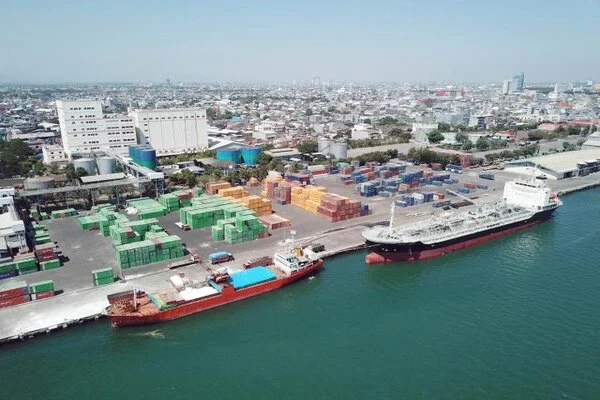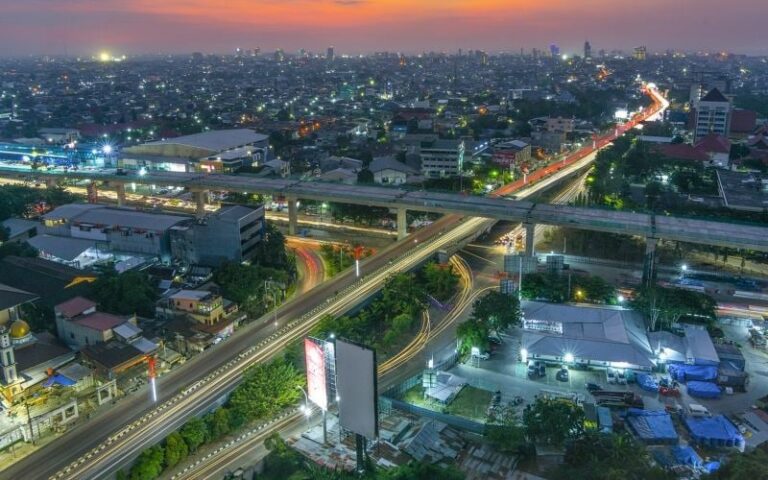

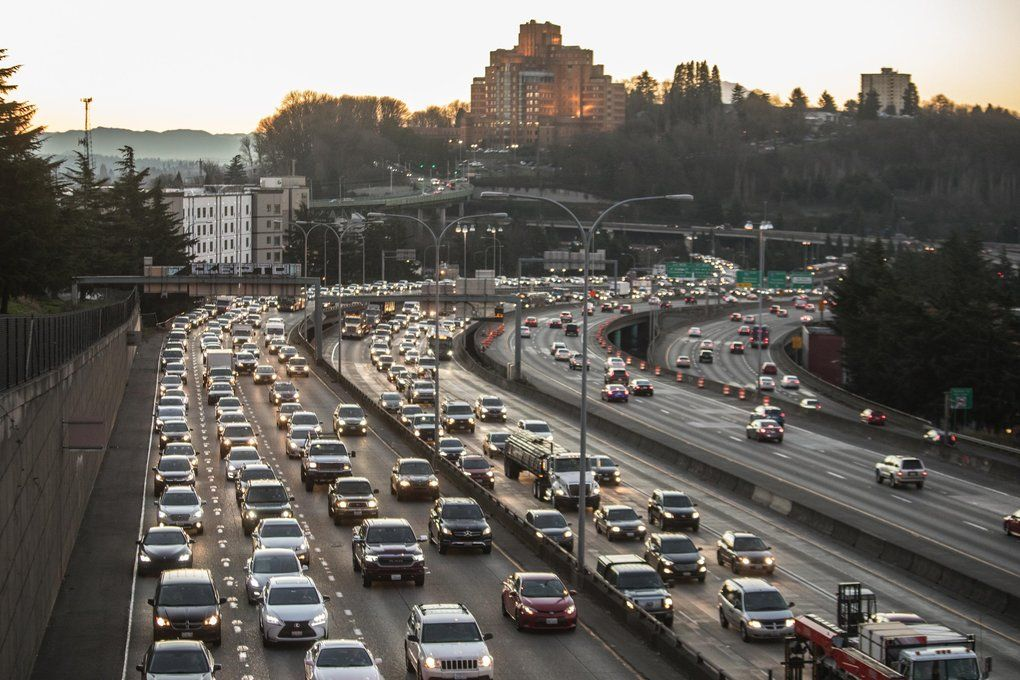
Analysis of the Relationship between Particulate Matter (PM₁₀) and Vehicle Volume on Type 6/2 and 2/2 Road Sections, was conducted to examine the effect of vehicle traffic on the concentration of particulate pollutants in the air, particularly PM₁₀, which is one of the parameters of ambient air pollution that is harmful to human health. The research began with the development of the background and problem statement based on the phenomenon of high air pollution in Makassar City, one of which is caused by the transportation sector.
A literature review was then conducted, covering theories on air pollution, characteristics of PM₁₀, classification of motor vehicles, road section types, as well as methods for collecting and analyzing air quality data. This study focused on two types of roads with different characteristics: type 6/2, which is an arterial road with high traffic capacity, and type 2/2, which is a collector road with lower traffic capacity. The selection of measurement points was strategically conducted on road sections with high levels of commercial activity and traffic.
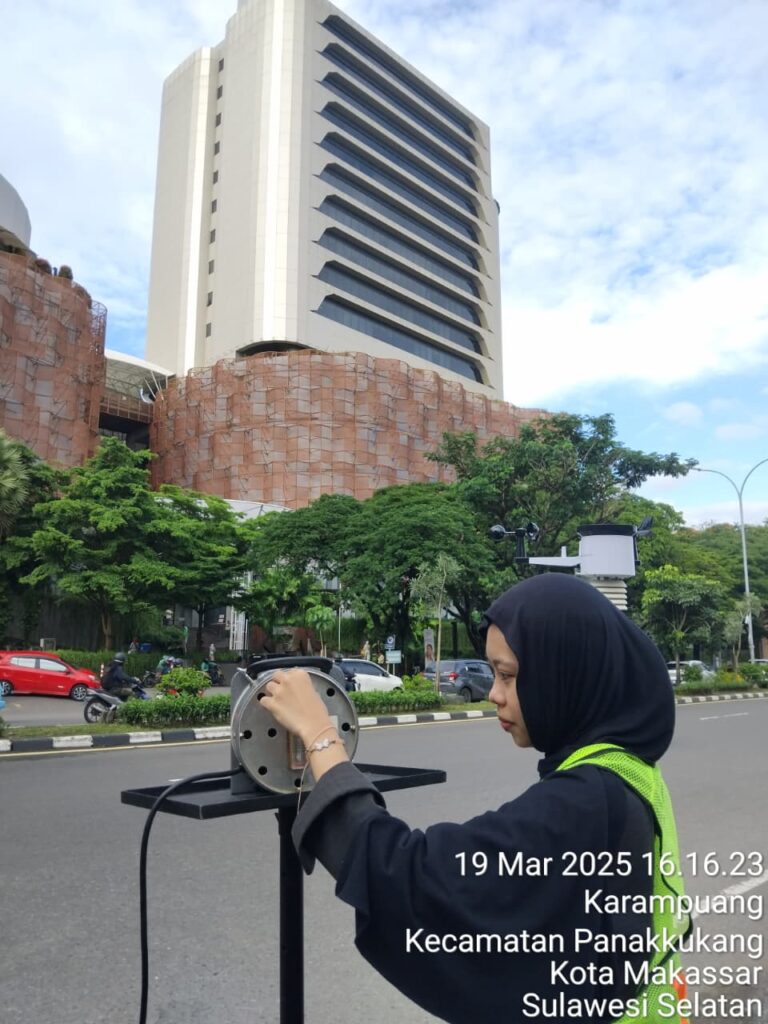
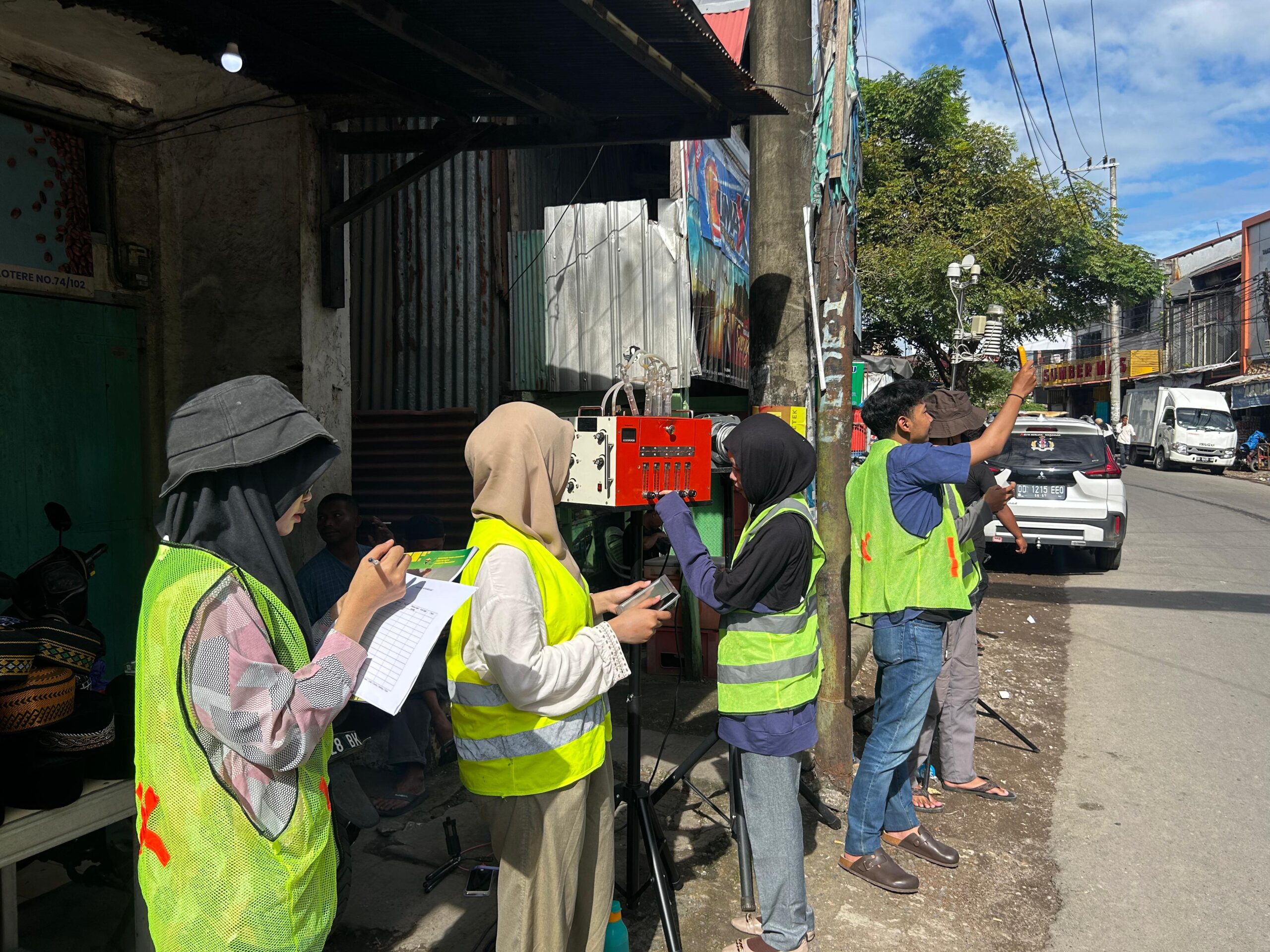
Data collection was conducted at 16 measurement points, consisting of 8 points for type 6/2 road sections and 8 points for type 2/2 road sections. Each point was measured for PM₁₀ using a High Volume Air Sampler (HVAS) with a gravimetric method during four time intervals in a day, namely morning, afternoon, evening, and night. Additionally, vehicle volume data was collected using a traffic counter application to record the number of vehicles by type, namely motorcycles (MC), light vehicles (LV), and heavy vehicles (HV).
Data collection was conducted over nearly a month, from February 25 to March 20, 2025. The collected data were then analyzed using several statistical methods, including normality tests to assess data distribution, homogeneity tests to ensure data consistency across measurement points, and linear and non-linear regression analyses to examine the relationship between vehicle volume and PM₁₀ concentrations.
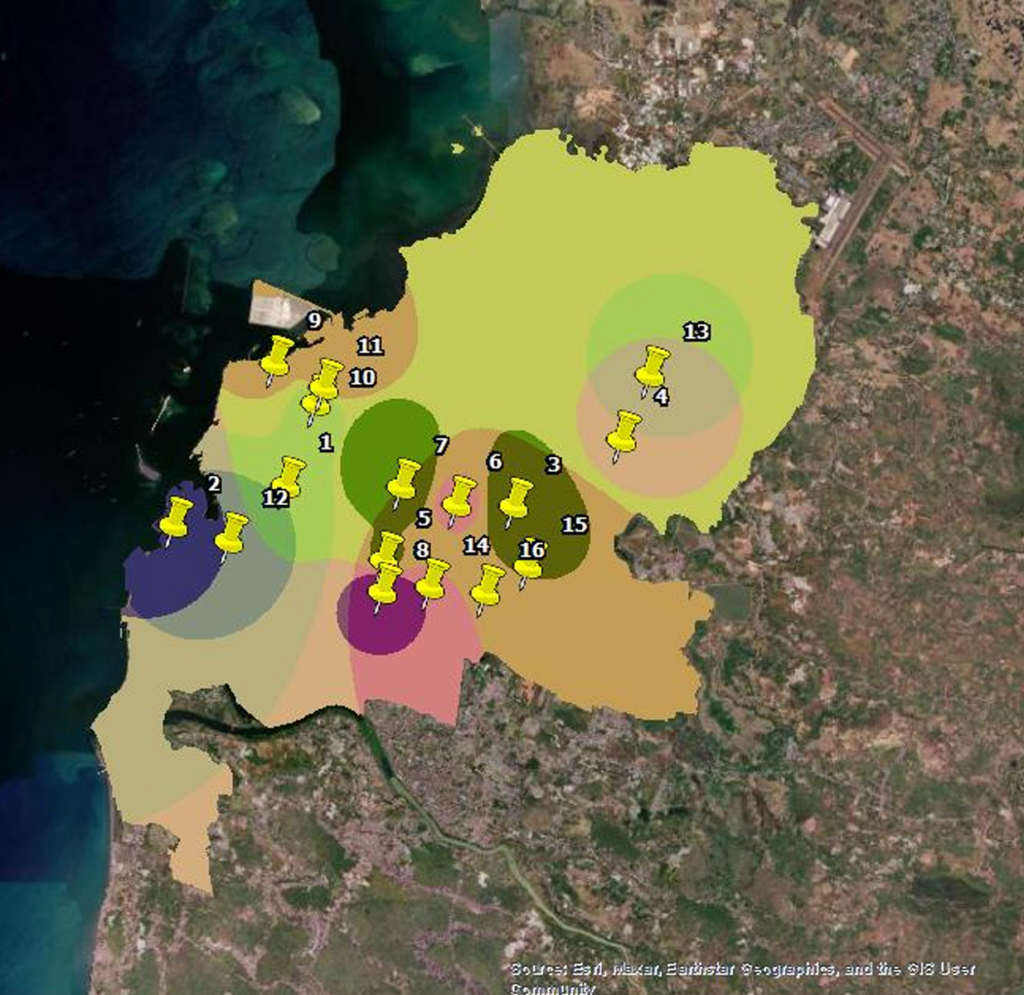
The analysis results indicate that vehicle volume, particularly two-wheeled motor vehicles, significantly contributes to increased PM₁₀ concentrations, especially on 6/2-type road sections, which tend to be more densely populated and have higher traffic flow. The highest PM₁₀ concentration values were recorded at point 3 for road type 6/2 and point 11 for type 2/2, with levels exceeding the ambient air quality standards set by Government Regulation No. 22 of 2021. Regression analysis shows that the relationship between vehicle volume and PM₁₀ has varying levels of correlation, ranging from very low to very strong, depending on the statistical model and type of vehicle analyzed. Linear regression correlation tends to be low, while polynomial models show higher and significant correlation. Spatial visualization using ArcGIS software further supports data interpretation, showing higher PM₁₀ distribution patterns at points with high vehicle density.
From this series of activities, it can be concluded that motor vehicle volume does play an important role in increasing PM₁₀ concentrations in ambient air, but other factors such as meteorological conditions, land use, and the presence of vegetation around roads also contribute. This study makes an important contribution to efforts to manage urban air quality and serves as a basis for consideration in sustainable transportation planning. As such, the results of this activity are expected to be utilized by local governments and relevant agencies to develop strategies for transportation-based air pollution control and to enhance public awareness of the importance of maintaining air quality.