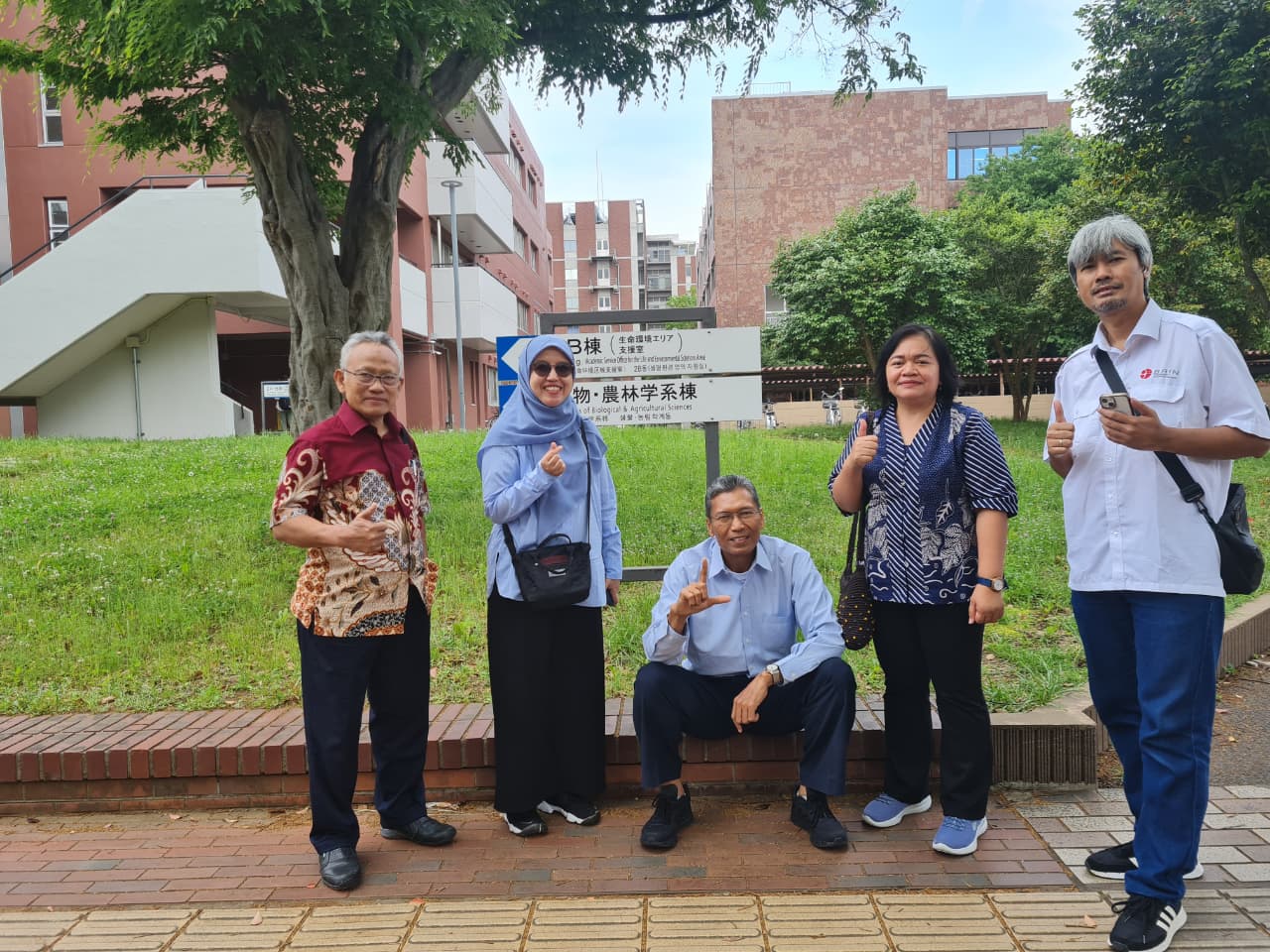
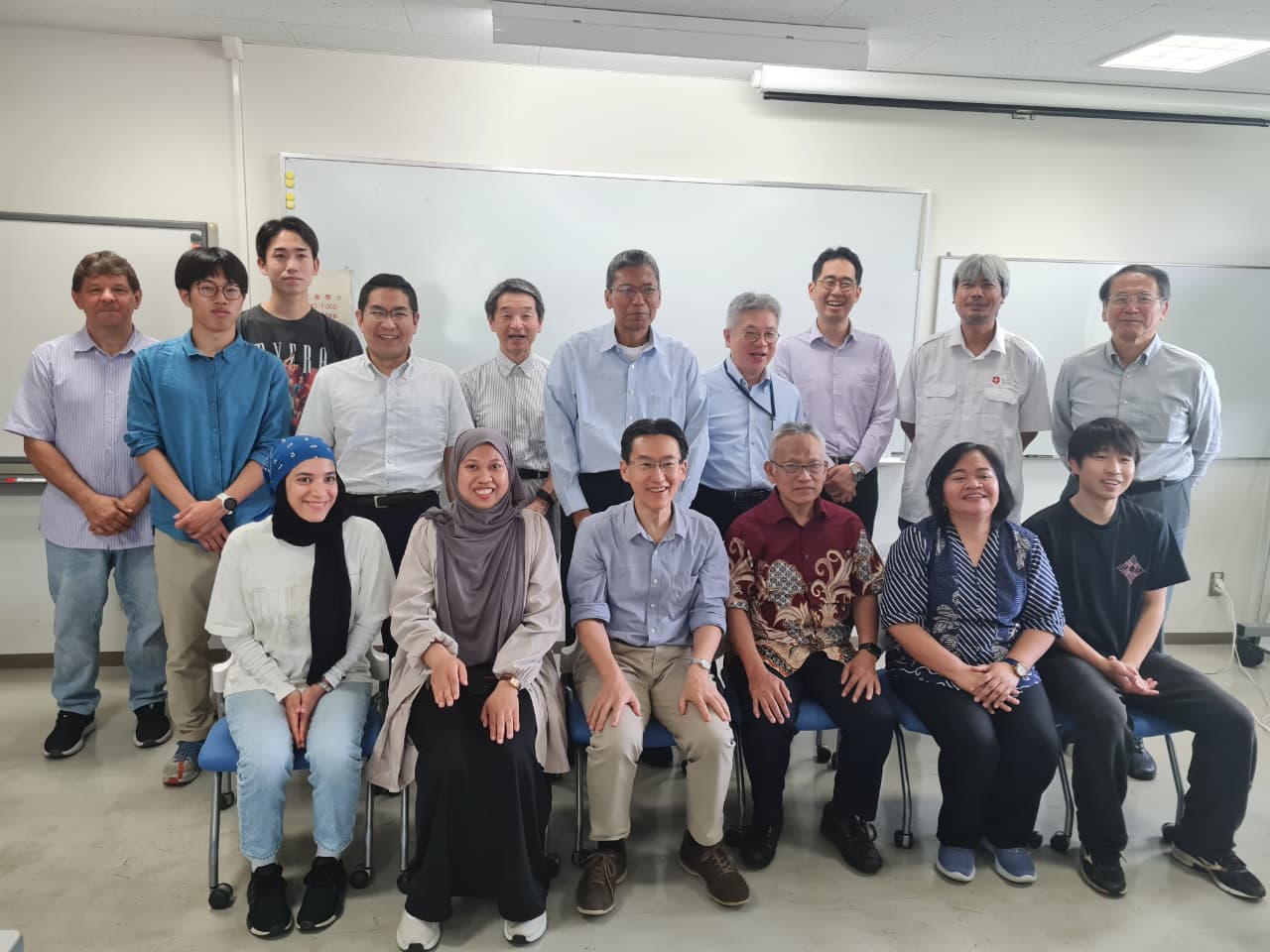
 Tsukuba, Japan — Fostering global scientific cooperation is essential for unlocking the full potential of sustainable marine bioresources. On May 22, 2025, a joint delegation of 20 participants—comprising researchers from the National Research and Innovation Agency (BRIN) alongside researchers and students from the University of Tsukuba—gathered for an intensive research coordination visit. Held under the activity title “Research Visit to the University of Tsukuba in the Framework of Research Implementation Coordination for the SATREPS Project, this initiative was conducted under the overarching SATREPS project, “Investigation of Seaweeds as Marine Bioresource and Optimization of The Cultivation.”
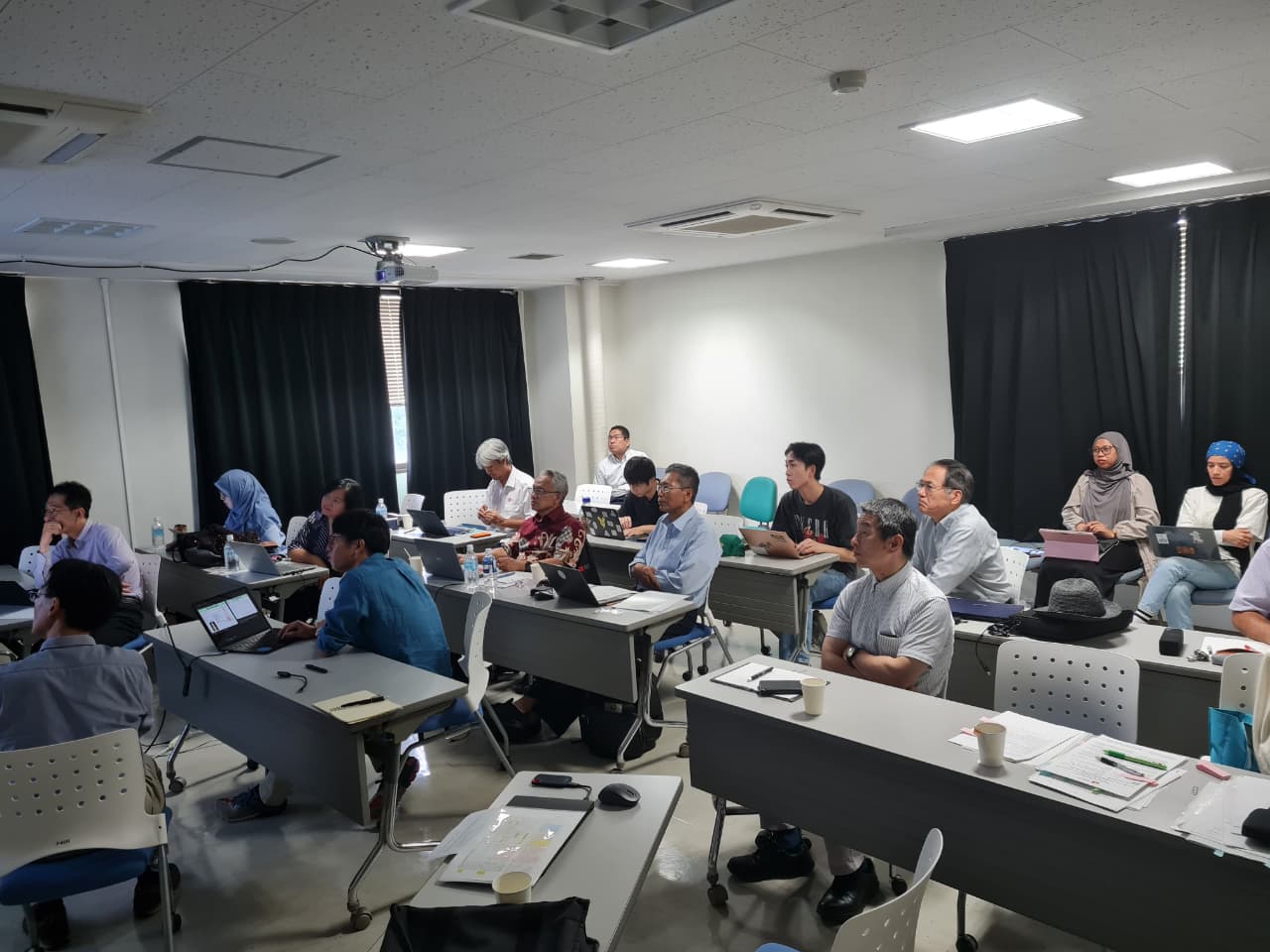 The primary objective of this research visit to the University of Tsukuba was to coordinate ongoing scientific activities to ensure the successful achievement of key SATREPS project targets. The sessions provided a collaborative platform to evaluate overall research progress, harmonize experimental methodologies, and systematically plan upcoming research phases alongside partner investigators. By aligning analytical frameworks and lab protocols between Indonesian and Japanese research teams, the delegation established a unified direction for optimizing seaweed cultivation and bioresource processing.
This strategic research collaboration directly aligns with several United Nations Sustainable Development Goals. By advancing high-efficiency seaweed cultivation techniques and sustainable supply chains, the initiative supports SDGs 1 (No Poverty) through the development of resilient, income-generating aquaculture models that empower coastal communities and stabilize rural economic livelihoods. Furthermore, the engagement advances SDGs 4 (Quality Education) by encouraging cross-institutional knowledge transfer, technical mentorship, and high-level capacity building for participating scientists and university students engaged in cutting-edge marine biotechnology research.
Environmental protection remains an integral driver of this joint scientific enterprise. The research effort actively contributes to SDGs 14 (Life Below Water) by developing sustainable cultivation practices, conserving coastal biodiversity, and promoting eco-friendly utilization of marine bioresources to prevent ecosystem degradation. Uniting all these objectives is SDGs 17 (Partnerships for the Goals), prominently demonstrated by this multi-institutional alliance that bridges national research bodies, international universities, and academic researchers to establish a robust governance and scientific network for global marine sustainability.
Throughout the technical meetings at the University of Tsukuba, participants reviewed laboratory findings, refined cultivation optimization models, and mapped out key research deliverables for the next phase. Engaging both senior researchers and university students ensured that knowledge exchange occurred across all academic levels, nurturing the next generation of marine bioresource specialists. Ultimately, the outcomes of this research visit strengthen the scientific groundwork of the SATREPS project, reinforcing international academic synergy and driving forward sustainable innovation in seaweed bioresource management.