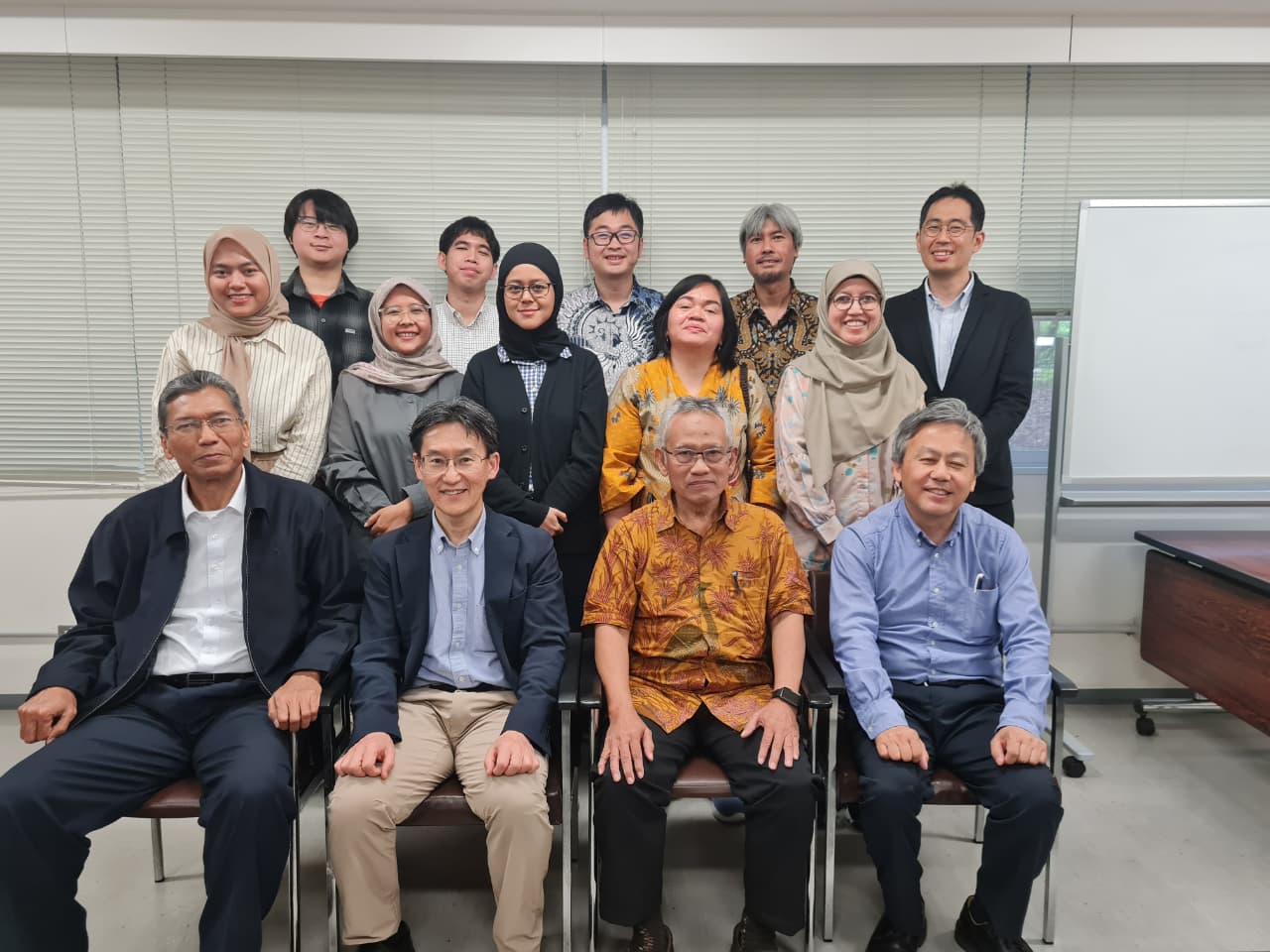
 Kyoto, Japan — Advancing sustainable marine resource management requires strong international research partnerships and continuous scientific innovation. On May 25, 2026, an academic delegation of 15 researchers from the National Research and Innovation Agency (BRIN) and Tsukuba University conducted a high-level academic visit to Kyoto University. Convened under the title “Kunjungan Akademik ke Kyoto University dalam Rangka Pengembangan Kolaborasi Penelitian Proyek SATREPS” (Academic Visit to Kyoto University for the Development of SATREPS Project Research Collaboration), this strategic meeting was organized under the framework of the SATREPS project, “Investigation of Seaweeds as Marine Bioresource and Optimization of The Cultivation.”
The primary objective of this visit to Kyoto University was to coordinate and discuss the progress, technical methodologies, and future implementation plans of the ongoing SATREPS initiative. Furthermore, the delegation engaged in an intensive exchange of knowledge and expertise regarding cutting-edge methods, advanced technologies, and scientific approaches designed to boost seaweed cultivation productivity while ensuring long-term ecological sustainability. By aligning research protocols across international institutions, the delegation aimed to accelerate the development of optimized seaweed cultivation techniques tailored for commercial and environmental applications.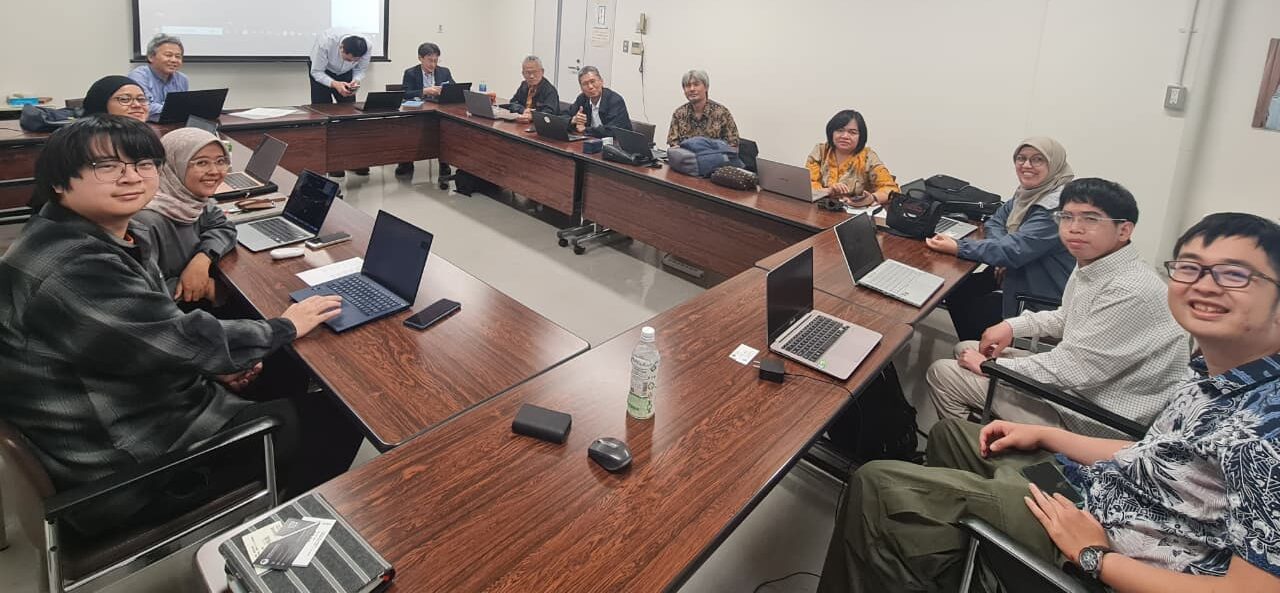 This collaborative academic effort directly supports several United Nations Sustainable Development Goals. By advancing cultivation efficiency and high-value marine bioresource applications, the initiative supports SDGs 1 (No Poverty) through the eventual deployment of resilient, income-generating aquaculture technologies that empower coastal farming communities and improve rural livelihoods. In addition, the academic exchange advances SDGs 4 (Quality Education) by fostering institutional learning, scientific capacity building, and high-level knowledge sharing between leading research bodies, equipping scientists and educators with advanced methodologies in marine biotechnology.
Ecological protection remains a foundational element of the scientific agenda. The collaborative research efforts actively advance SDGs 14 (Life Below Water) by focusing on sustainable cultivation practices, biodiversity conservation, and eco-friendly marine resource utilization that protect fragile coastal ecosystems from environmental degradation. Guiding this entire joint effort is SDGs 17 (Partnerships for the Goals), vividly demonstrated through this multi-institutional alliance between Indonesian national research agencies, Japanese universities, and global academic networks aimed at solving pressing marine sustainability challenges through unified scientific governance.
During the academic sessions at Kyoto University, delegates reviewed experimental data, evaluated laboratory protocols, and mapped out upcoming field trials. Discussions focused on optimizing genetic selection, improving cultivation productivity, and refining bioresource processing pipelines. Combining the expertise of BRIN, Tsukuba University, and Kyoto University ensures that scientific breakthroughs are both rigorous and practical. Ultimately, the insights gained from this academic visit will strengthen the SATREPS project roadmap, driving forward sustainable marine aquaculture practices and reinforcing international scientific cooperation for a thriving global bioeconomy.