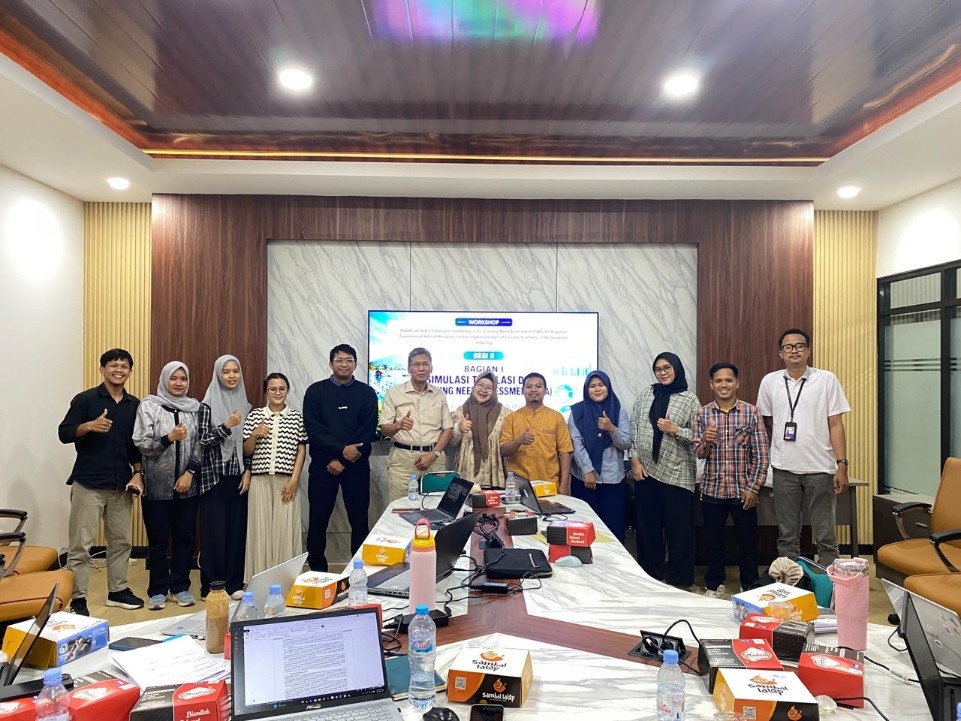
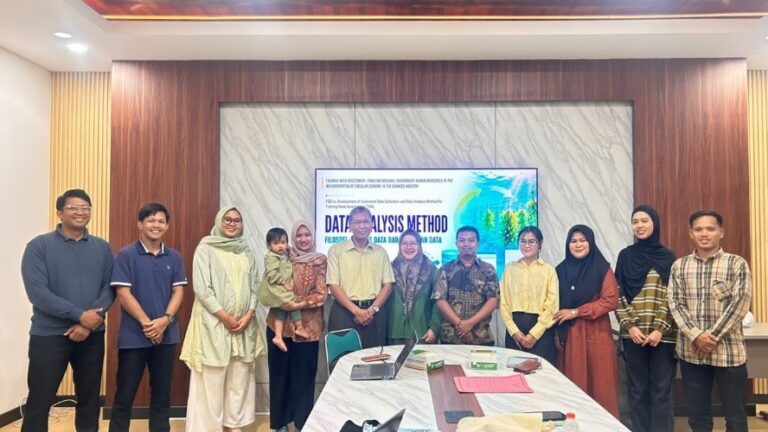
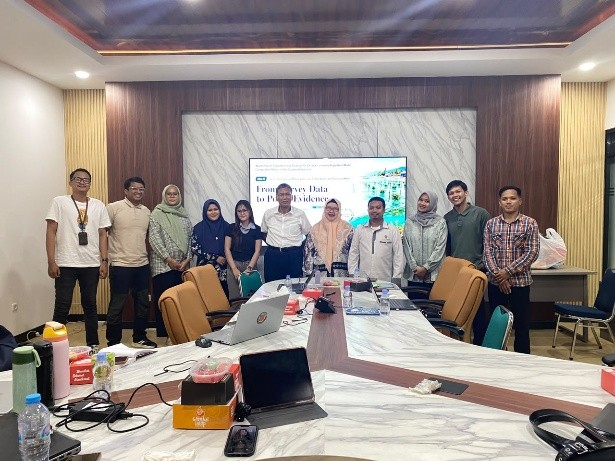
Makassar, Indonesia — The FGD Workshop on Simulasi Tabulasi Data Training Need Assessment (TNA) was held on July 24, 2026, providing an important platform for 12 participants to strengthen their understanding of data tabulation and develop practical skills for identifying training needs through a structured and evidence-based approach.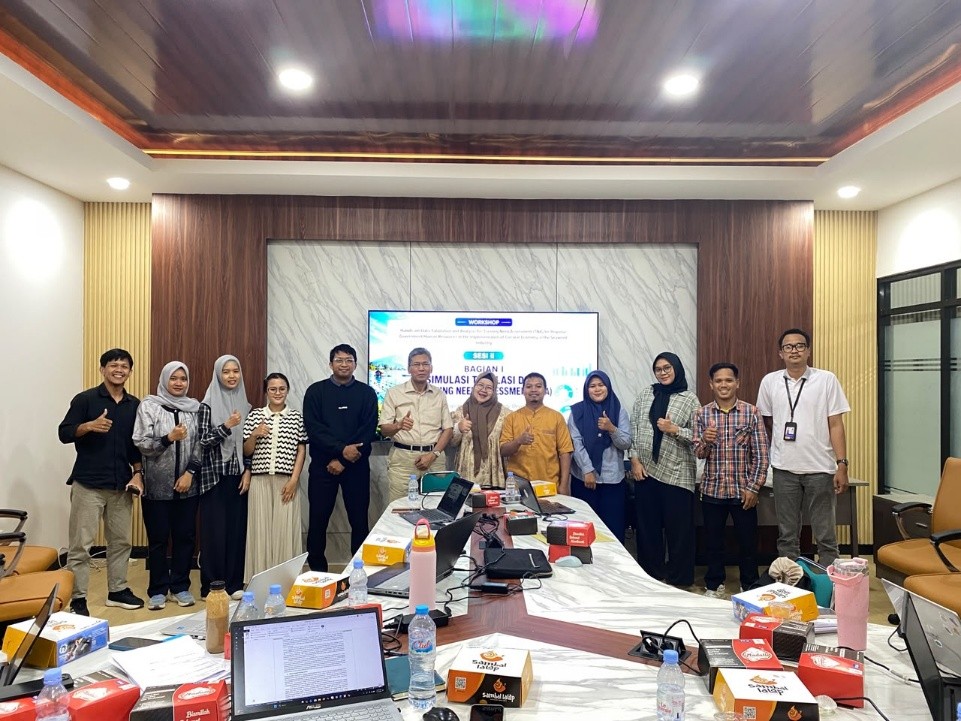 The workshop was designed as a collaborative learning activity to strengthen participants’ capacity to organize and interpret information generated through a Training Need Assessment (TNA) process. TNA is an important step in identifying knowledge, skills, and competencies that need to be strengthened among individuals or groups. Through appropriate data management and analysis, training programs can be designed based on actual needs rather than assumptions, making capacity-building activities more relevant and effective. The simulation session provided participants with an opportunity to work directly with examples of TNA data and explore how raw information can be transformed into structured tables that are easier to read and analyze. The process encouraged participants to understand the importance of consistency, accuracy, and systematic organization when preparing research or assessment data. These skills are particularly valuable for supporting evidence-based decision-making and ensuring that the results of an assessment can be translated into appropriate follow-up actions. Beyond the technical aspects of tabulation, the workshop also encouraged discussion and knowledge exchange among participants. Through the FGD format, participants could share perspectives, identify potential challenges in managing assessment data, and discuss ways to improve the interpretation of information. This collaborative process highlighted that effective data analysis is not only a technical task but also a means of building a shared understanding of institutional and community needs.
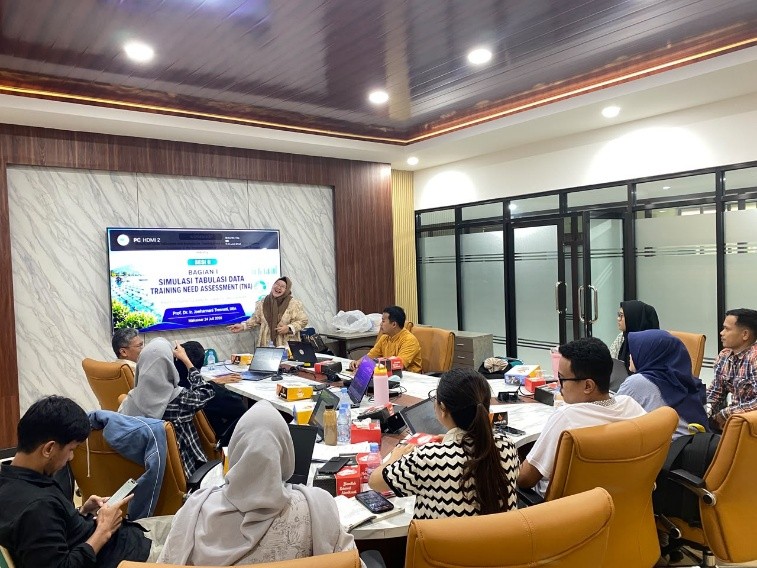 The activity involved 11 participants, who took part in the simulation and discussion sessions. Their engagement reflected the importance of strengthening human capacity as part of a broader effort to support research, planning, and development activities. By combining practical exercises with discussion, the workshop helped participants build greater confidence in managing data and connecting analytical results with future training and capacity-building priorities. The activity contributes directly to Sustainable Development Goal (SDG) 4: Quality Education by promoting continuous learning, skills development, and capacity building. It also supports SDG 1: No Poverty, as stronger human capacity and more targeted training can contribute to improved opportunities and resilience among communities and institutions. Furthermore, the collaborative nature of the workshop supports SDG 17: Partnerships for the Goals by encouraging knowledge sharing, collective learning, and cooperation among participants.
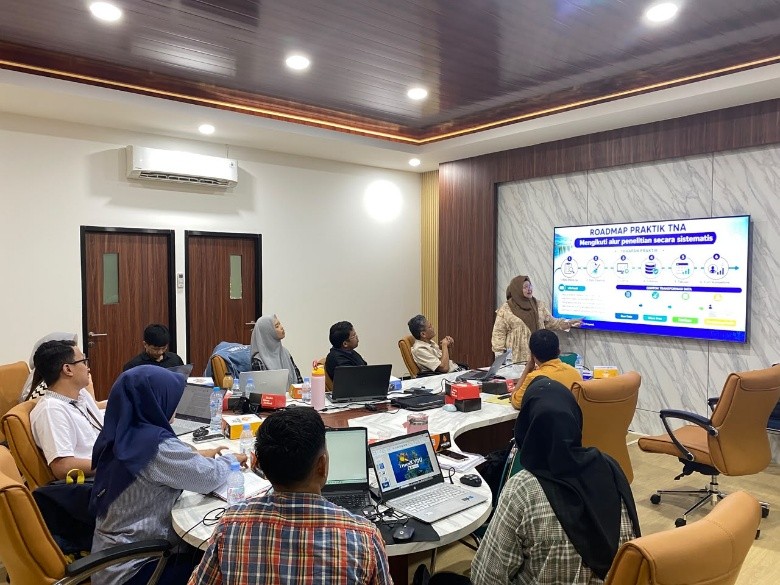 Ultimately, the workshop demonstrated that effective training begins with a clear understanding of actual needs. Strengthening the ability to tabulate and analyze TNA data provides an important foundation for designing more responsive, targeted, and evidence-based capacity-building programs. Through this activity, participants were encouraged not only to improve their technical data skills but also to recognize the broader value of reliable information in supporting sustainable development and meaningful action.