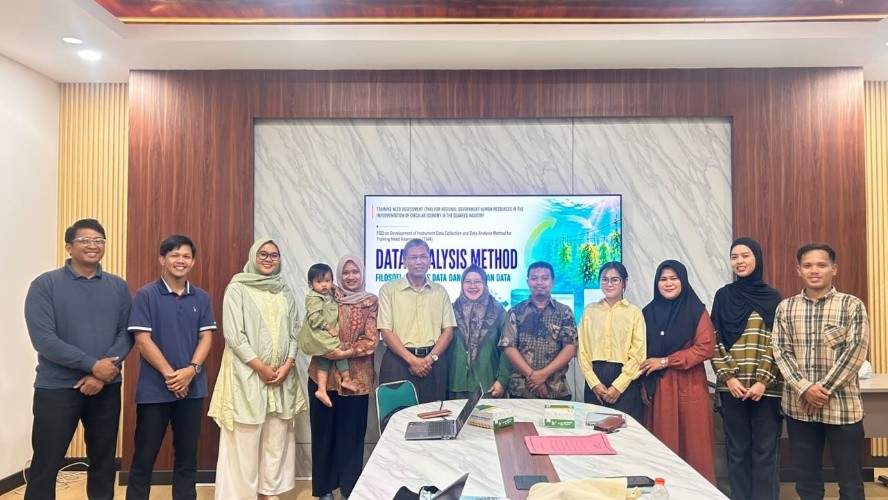
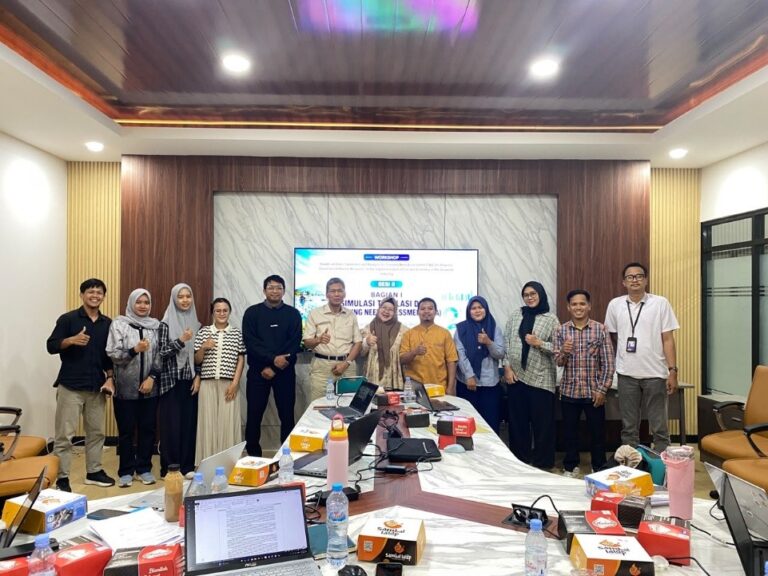
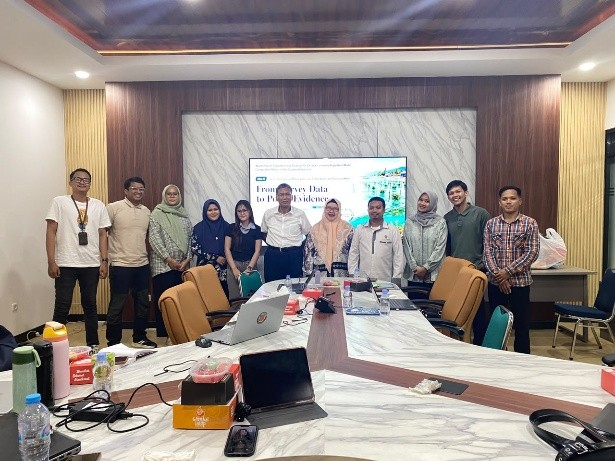
Makassar, Indonesia — The FGD Workshop Development of Instrument Data Collection was held on July 23, 2026, at the Research and Community Engagement Institute (LPPM), Hasanuddin University, providing an important platform for 11 participants to strengthen the preparation of data collection instruments for research and stakeholder engagement.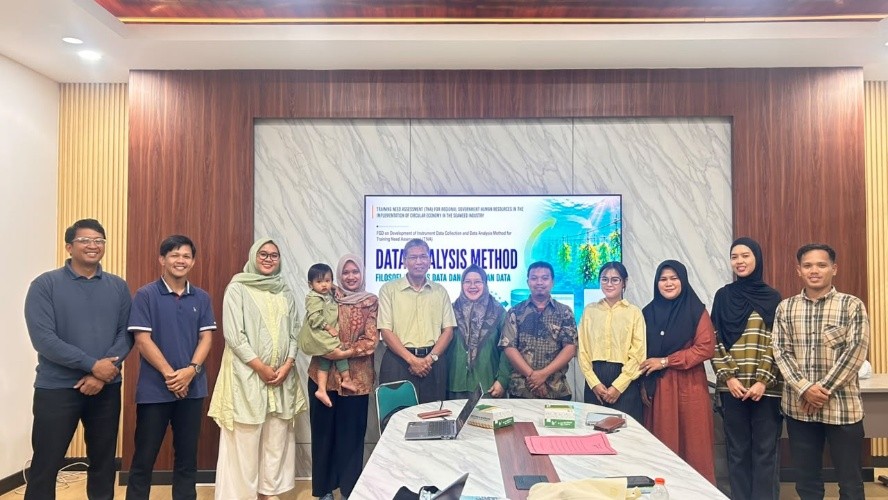 The workshop focused on an essential yet often underestimated stage of research: developing instruments that can translate research questions into reliable and meaningful data. Before information can be analyzed and transformed into evidence, researchers need well-structured instruments that clearly identify what information should be collected, from whom, and through which approach. For this reason, the development of data collection instruments is an important foundation for ensuring that research findings accurately represent conditions in the field. Through the Focus Group Discussion (FGD), participants had the opportunity to discuss the structure, relevance, and clarity of questions and information required for data collection. The discussion encouraged participants to examine whether each component of the instrument was aligned with the objectives of the research. This collaborative process also created space for participants to identify potential gaps, improve the formulation of questions, and develop a more systematic approach to collecting information from relevant stakeholders.
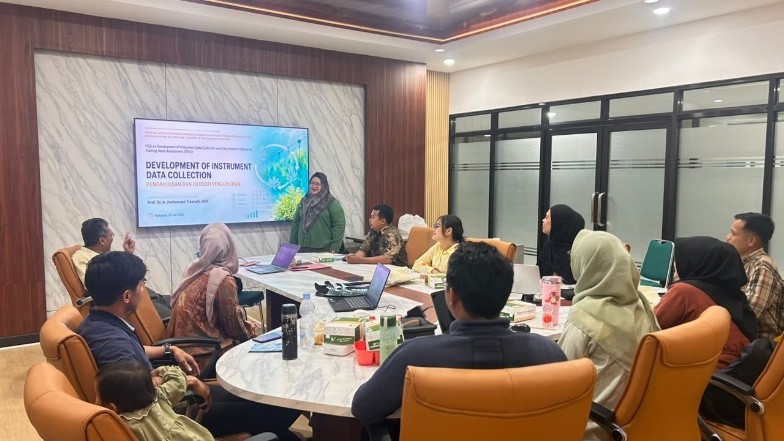 The presence of Prof. Joeharnanti Tresnati added to the academic context of the workshop, while the participation of 11 individuals reflected the collaborative nature of the activity. Rather than treating instrument development as an individual task, the workshop emphasized discussion and collective reflection as ways to improve the quality and usability of research instruments. The activity also contributes to Sustainable Development Goal (SDG) 4: Quality Education by strengthening research capacity, analytical skills, and continuous learning among participants. Reliable research instruments can further support SDG 1: No Poverty, particularly when evidence generated through research is used to understand community conditions and inform policies or programs that improve livelihoods. In the context of marine and coastal research, the activity also supports SDG 14: Life Below Water by contributing to the development of better evidence for understanding and managing marine resources. At the same time, the collaborative nature of the FGD reflects SDG 17: Partnerships for the Goals, demonstrating how knowledge exchange and cooperation can strengthen research processes.
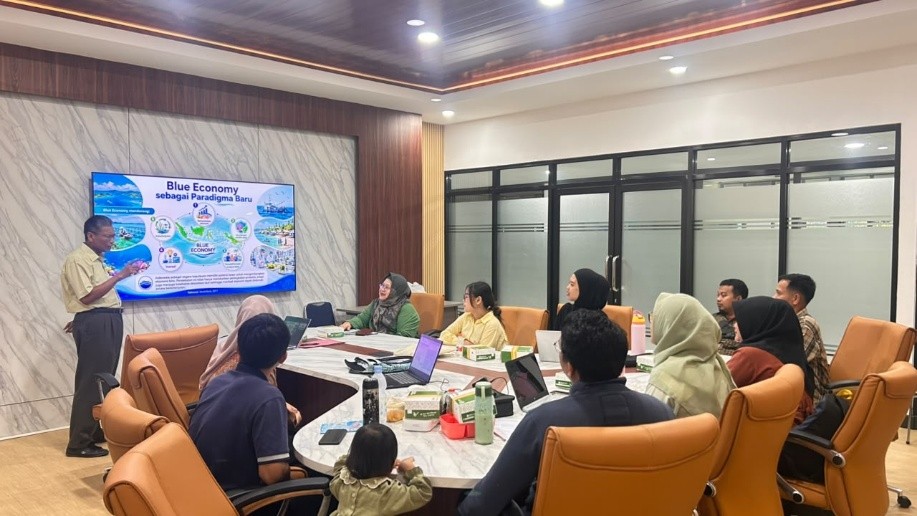 Ultimately, the workshop was not simply about preparing a questionnaire or data sheet. It was about building the foundation for credible evidence. By developing clearer, more relevant, and more systematic data collection instruments, participants strengthened an important link between scientific inquiry, stakeholder perspectives, and evidence-based decision-making.