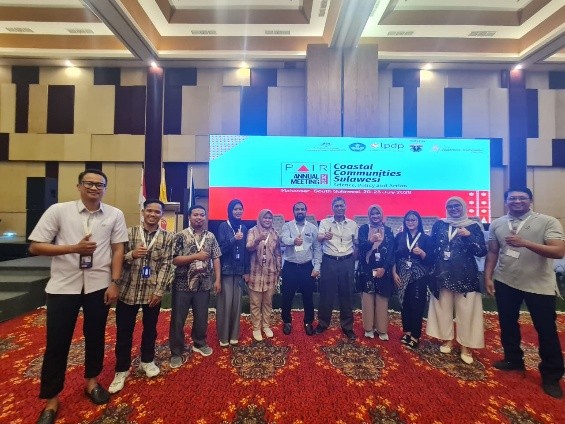
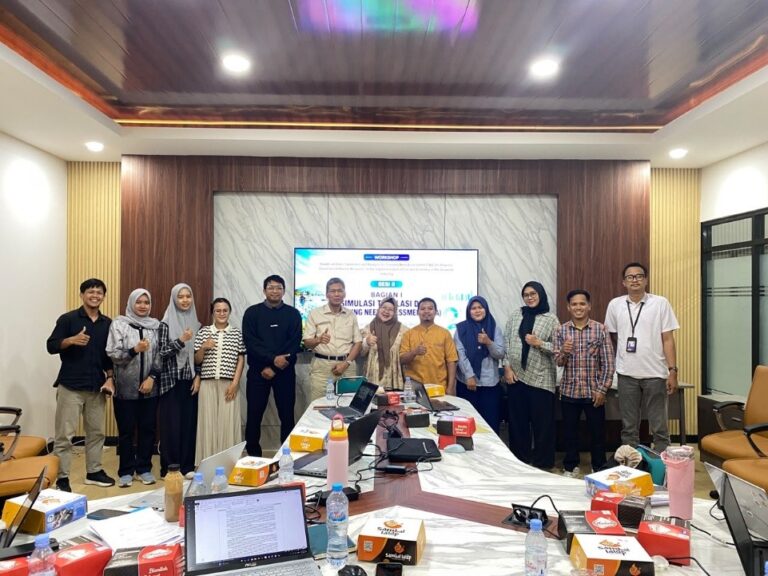
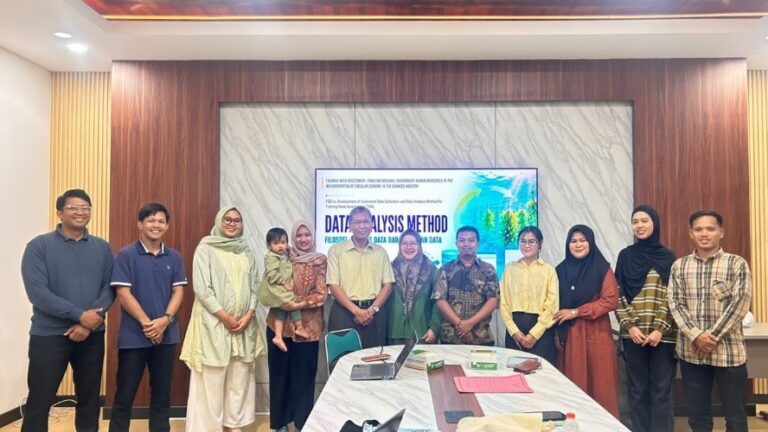
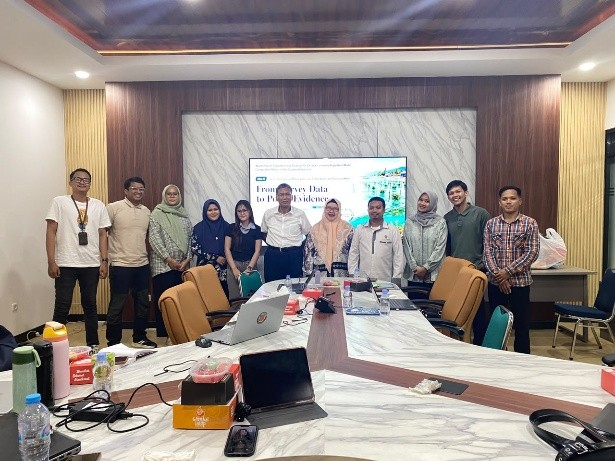
Makassar, Indonesia — The FGD Workshop on Coastal Communities Sulawesi: Science, Policy and Action was held on July 21, 2026, providing an important platform for 50 participants to exchange knowledge, strengthen collaboration, and connect scientific evidence with policy and practical action for more resilient and sustainable coastal communities.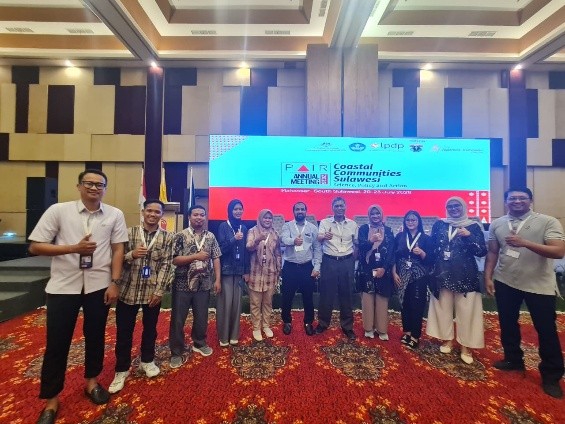 The activity formed part of the Partnership for Australia-Indonesia Research (PAIR) Annual Meeting 2026, which brought together researchers, academics, government representatives, policymakers, development partners, and other stakeholders in Makassar. The broader meeting, held from July 20–23, 2026, focused on the challenges and opportunities facing coastal communities in Sulawesi and emphasized the importance of connecting science, policy, and action. The workshop provided a space for participants to discuss how scientific knowledge can contribute to addressing real challenges experienced by coastal communities. Coastal areas are closely connected to livelihoods, food security, marine resources, environmental quality, and local economies. At the same time, communities face increasing pressures from climate change, environmental degradation, resource-use challenges, and changing economic conditions. Addressing these issues requires knowledge that is relevant to local realities and can be translated into effective policies and practical actions.
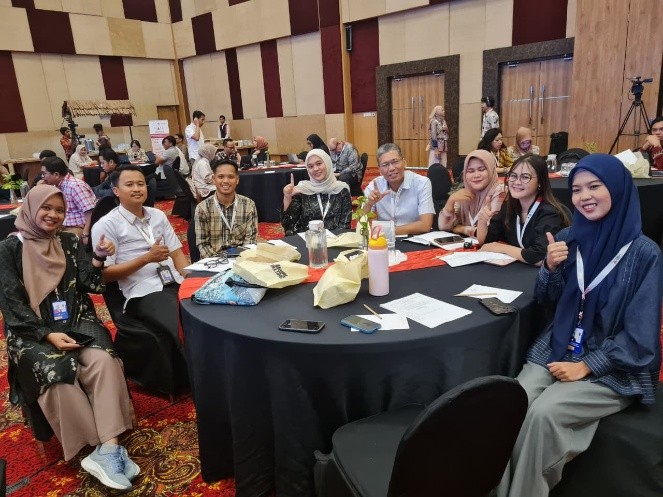 A central message of the discussion was the importance of strengthening the connection between research and decision-making. Scientific findings can provide evidence for identifying problems, understanding their causes, and developing appropriate responses. However, research can have greater impact when its findings are communicated effectively and considered within policy and community contexts. Collaboration among researchers, government, communities, and development partners is therefore essential to ensure that knowledge contributes to meaningful and lasting change. The participation of 50 individuals reflected the collaborative character of the activity. Bringing together people with different expertise and institutional backgrounds created opportunities for knowledge exchange and broader perspectives on coastal development. Such interaction is particularly important in addressing complex coastal issues, which cannot be solved through a single discipline or institution. The activity contributes to Sustainable Development Goal (SDG) 1: No Poverty by supporting approaches that can strengthen the resilience and livelihoods of coastal communities. It advances SDG 4: Quality Education through knowledge sharing, research capacity building, and continuous learning. The focus on sustainable coastal and marine resources also supports SDG 14: Life Below Water, while the involvement of diverse institutions and stakeholders directly reflects SDG 17: Partnerships for the Goals.
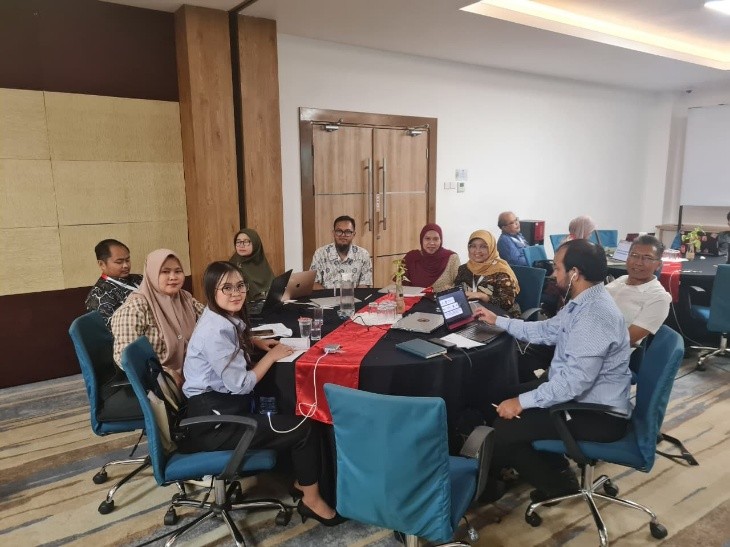 Ultimately, the workshop reinforced that sustainable coastal development requires more than scientific knowledge alone. It requires science that responds to community needs, policies informed by reliable evidence, and collective action supported by strong partnerships. By bringing these elements together, the activity contributed to the broader PAIR vision of strengthening research collaboration and supporting practical solutions for the future of coastal communities across Sulawesi.