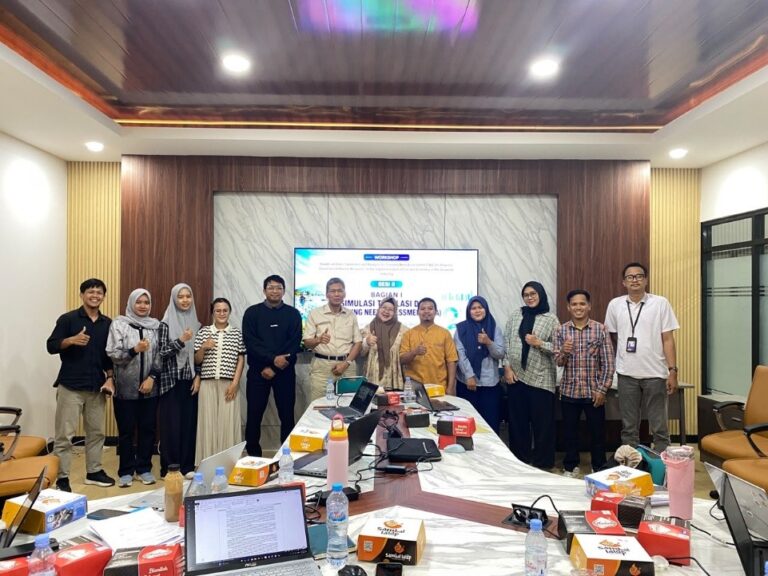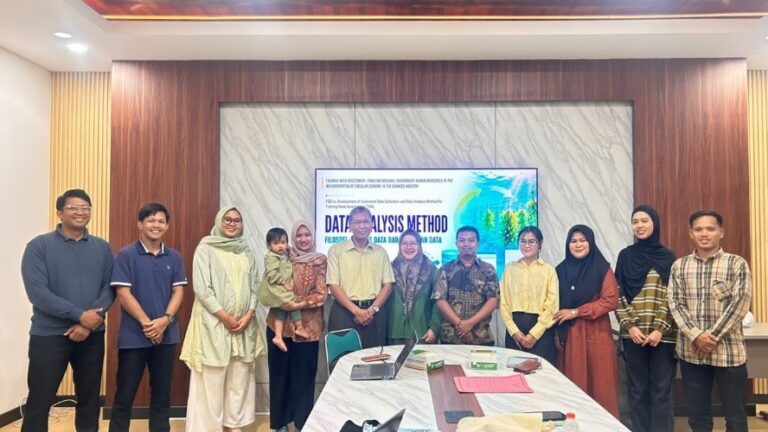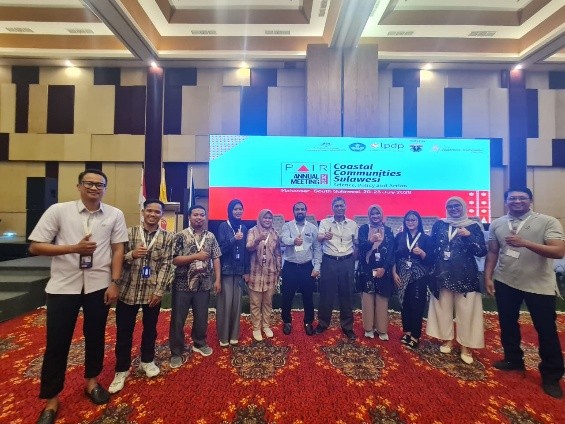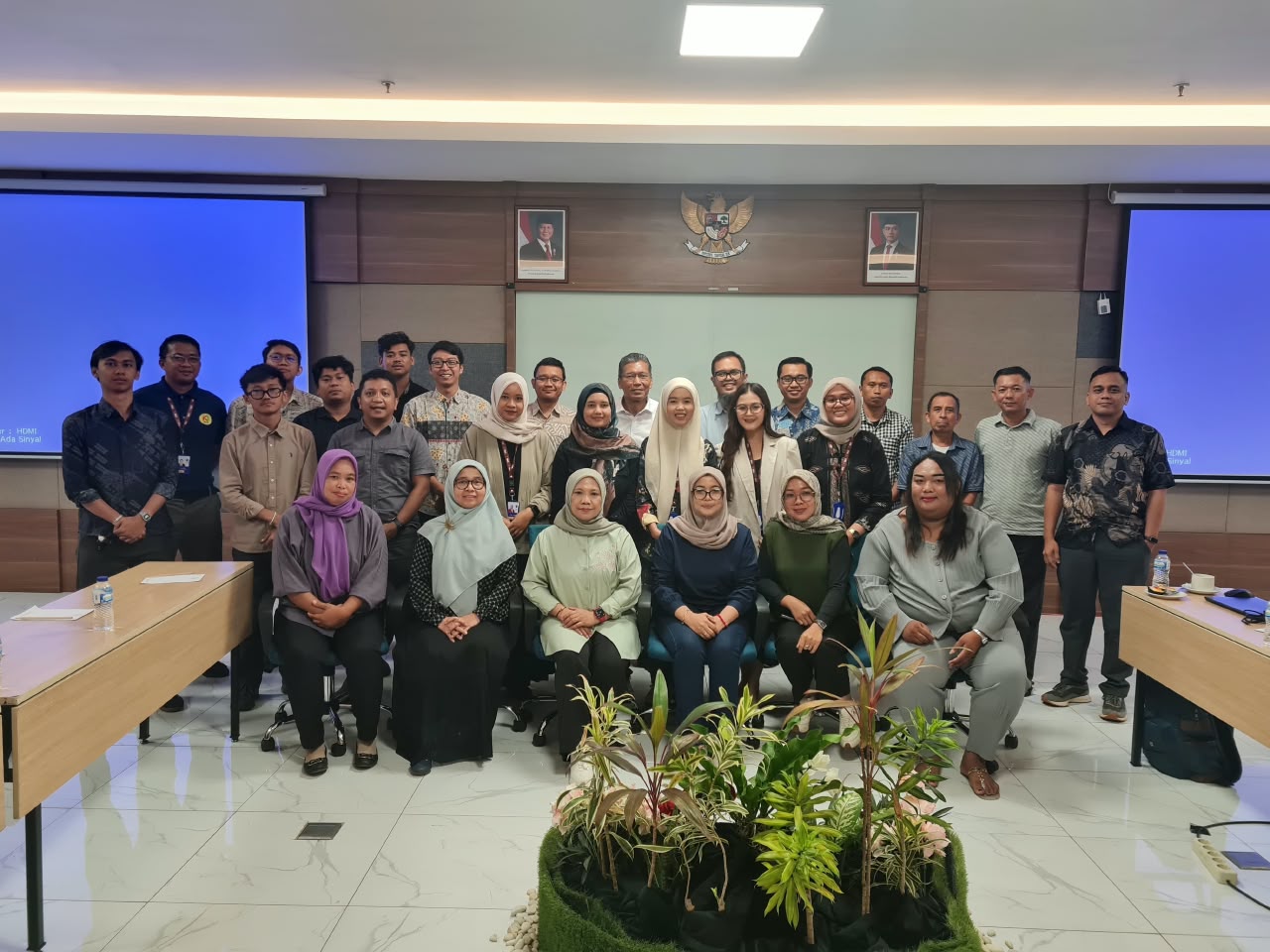

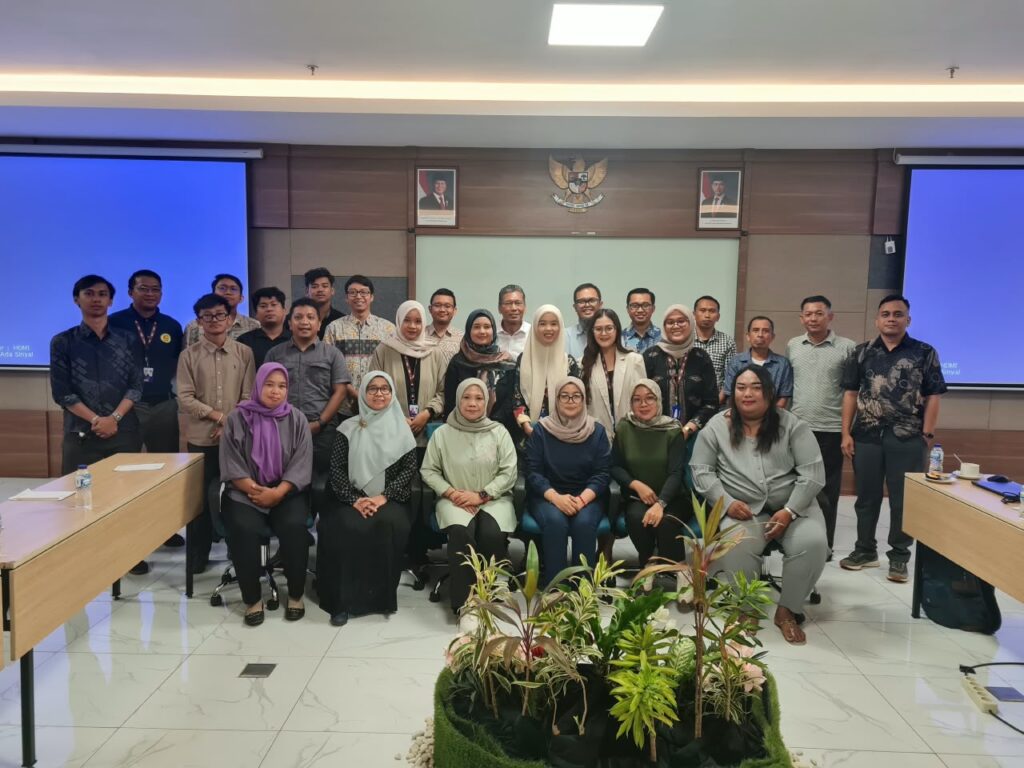
 Makassar, Indonesia — The Focus Group Discussion on “Seaweed Industry Market: Synchronizing Raw Material Specifications, Supply Certainty, Commercial Governance, and Ecosystem Readiness” was convened on Thursday, April 30, 2026, at the UNHAS Hotel & Convention in Makassar, South Sulawesi. Bringing together 37 participants—ranging from provincial government officials and industry leaders to coastal cooperative representatives and academic researchers—the forum addressed critical operational and structural challenges across the regional marine economy.
Organized under the Partnership for Australia-Indonesia Research (PAIR) framework by Hasanuddin University, the meeting focused on bridging the gaps between raw material supply and industrial requirements within a circular economy framework. Key objectives centered on evaluating regulatory mechanisms across provincial boundaries, establishing robust traceability systems, optimizing logistics costs, and enhancing value-addition processes from upstream farming to downstream derivative applications. While South Sulawesi remains a major global producer of economic algae species such as Gracilaria and Eucheuma, the regional industry faces critical hurdles including unverified supply chain data, high processing infrastructure costs, and complex export regulations.
Addressing these structural bottlenecks directly supports SDG 1 (No Poverty) by fostering economic empowerment, stabilizing market access, and safeguarding livelihoods across coastal farming communities. Furthermore, the initiative advances SDG 4 (Quality Education) through targeted vocational training, capacity-building programs, and ongoing technical mentorship designed to equip local farmers, workers, and women-led micro-enterprises with high-value processing skills. Essential to this strategy is SDG 17 (Partnerships for the Goals), explicitly demonstrated by uniting government bodies, research institutions, industry associations like ARLI and Kosperindo, and local cooperatives to build a cohesive, multi-stakeholder governance network.
Deliberations highlighted the importance of technological innovation, such as digital traceability platforms like e-Seaweed Indonesia, as well as site-adapted genetic enrichment to maintain raw material quality. Participants also highlighted the essential social dynamics of coastal communities, noting that women frequently drive harvesting, processing, and commercialization activities. Consequently, inclusive development models that balance technological upgrades with community welfare—such as seaweed-based ecotourism and cosmetics ventures—were identified as critical components for long-term regional stability.
In conclusion, led by academic leaders and industry experts, the consensus emphasized three simultaneous development pillars: establishing enabling regulatory suprastructures, investing in cold-chain and processing infrastructure, and nurturing local business success stories to inspire market confidence. The actionable insights gathered from this session will serve as a foundational roadmap for provincial policy alignment, positioning South Sulawesi as a competitive, sustainable, and inclusive hub for the global seaweed industry.