

MAKASSAR, Indonesia Mei 1 2026/MARGO/ Imagine being a mud crab fisherman in Bone Regency, South Sulawesi. Each morning, you set your traps in the mangrove-lined waters, hoping for a good catch. Mud crabs are valuable—they fetch high prices in local and international markets. But lately, you've noticed something worrying: the crabs are getting harder to find, and your catches are becoming unpredictable.
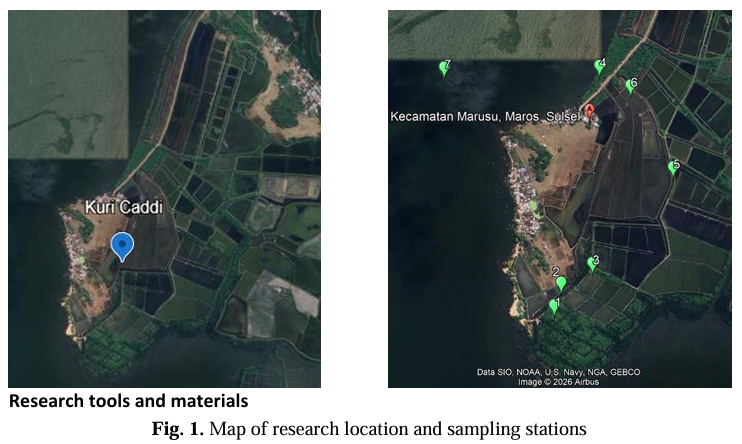
MAKASSAR, Indonesia Maret 1 2026/MARGO/ In the 1970s, the coastal area of Kuri Caddi in South Sulawesi was a dense, thriving mangrove forest. But economic ambitions—national targets to boost shrimp production—led entrepreneurs to convert these mangroves into aquaculture ponds. The gamble failed. Many ponds were abandoned after ecological collapse, and the area suffered from declining water quality, coastal erosion, and tidal flooding. The mangroves were gone, and so was the productivity they once supported.
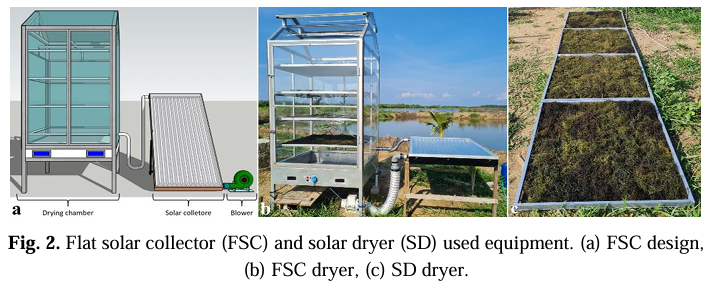
MAKASSAR, Indonesia Maret 1 2026/MARGO/ Picture this: a seaweed farmer in Indonesia has just harvested a bountiful crop of Gracilaria changii—a red seaweed prized for its agar content. Now comes the critical step: drying. But the farmer spreads the seaweed under the scorching sun, exposed to dust, insects, and unpredictable weather. If it rains, the drying process stalls. If the sun is too weak, the seaweed takes days to dry, risking mold and quality loss. This traditional method is slow, inefficient, and risky.
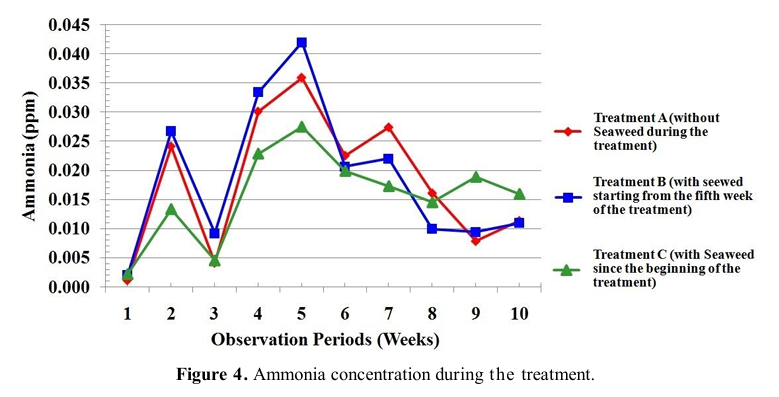
MAKASSAR, Indonesia September 1 2020/MARGO/ Every year, millions of shrimp are harvested from intensive farms across Indonesia. But there is a hidden cost to this success: pollution. Shrimp farms produce massive amounts of organic waste—uneaten feed, feces, and metabolic byproducts—that decompose into toxic compounds like ammonia, nitrite, and nitrate. These chemicals poison the shrimp, degrade water quality, and harm coastal ecosystems.
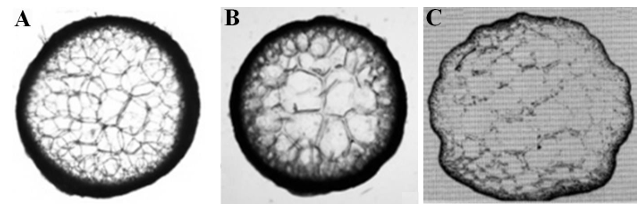
MAKASSAR, Indonesia November 1 2019/MARGO/ For years, seaweed farmers in South Sulawesi, Indonesia, have been cultivating two types of Gracilaria—a red seaweed prized for its agar content. One grows in brackish water ponds and is called Gracilaria verrucosa. The other grows in the open sea and is called Gracilaria gigas. They look different: pond-grown Gracilaria has curly, twisted branches, while sea-grown Gracilaria grows straight and upright. Farmers have always assumed they were two distinct species.
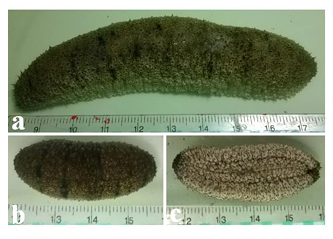
MAKASSAR, Indonesia September 2020/MARGO/ For decades, sea cucumber hatcheries have operated on a simple assumption: bigger is better. To produce millions of baby sandfish (Holothuria scabra), you need large broodstock—fish weighing 450 grams or more. But finding such large specimens in the wild has become increasingly difficult. Overfishing has decimated populations across Southeast Asia, and the few large individuals that remain are often too stressed to spawn in captivity.
MAKASSAR, Indonesia Januari 2020/MARGO/ What happens to all the waste produced by super-intensive shrimp farms? In Indonesia, where shrimp farming has boomed with stocking densities of up to 1,250 shrimp per square meter, the answer is staggering. Each hectare of pond can produce 18 to 22 tons of solid waste per cycle—sludge rich in nutrients that, if left untreated, pollutes coastal waters and damages marine ecosystems. But what if this "waste" was actually a hidden resource?
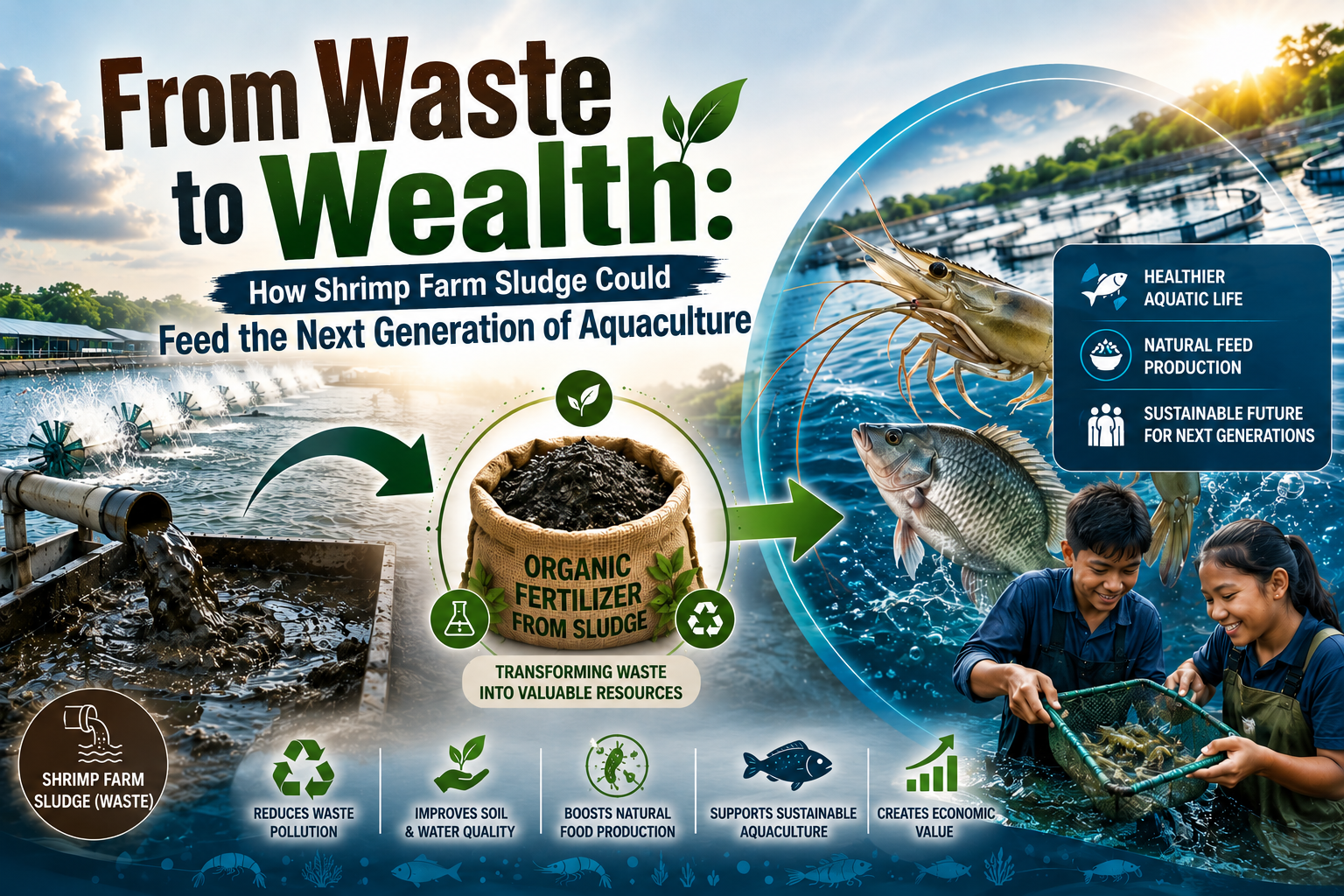
MAKASSAR, Indonesia Maret 1 2020/MARGO/ Every ton of shrimp harvested from a super-intensive farm leaves behind a hidden mountain of waste—sludge rich in nutrients that can pollute coastal waters if left untreated. But what if this "waste" was actually a treasure in disguise?
MAKASSAR, Indonesia Agustus 10 2020/MARGO/ Every morning, a seaweed farmer in Indonesia rows out to his floating rafts, checking on the red seaweed Kappaphycus alvarezii that will become carrageenan for ice cream and cosmetics. Nearby, a coral reef teems with life—colorful fish, hiding lobsters, and the silent, stony architects of the ocean: scleractinian corals. These two worlds—seaweed farming and coral reefs—often overlap in tropical Indonesia. And that overlap has sparked a critical question: can seaweed farming and coral reefs coexist?
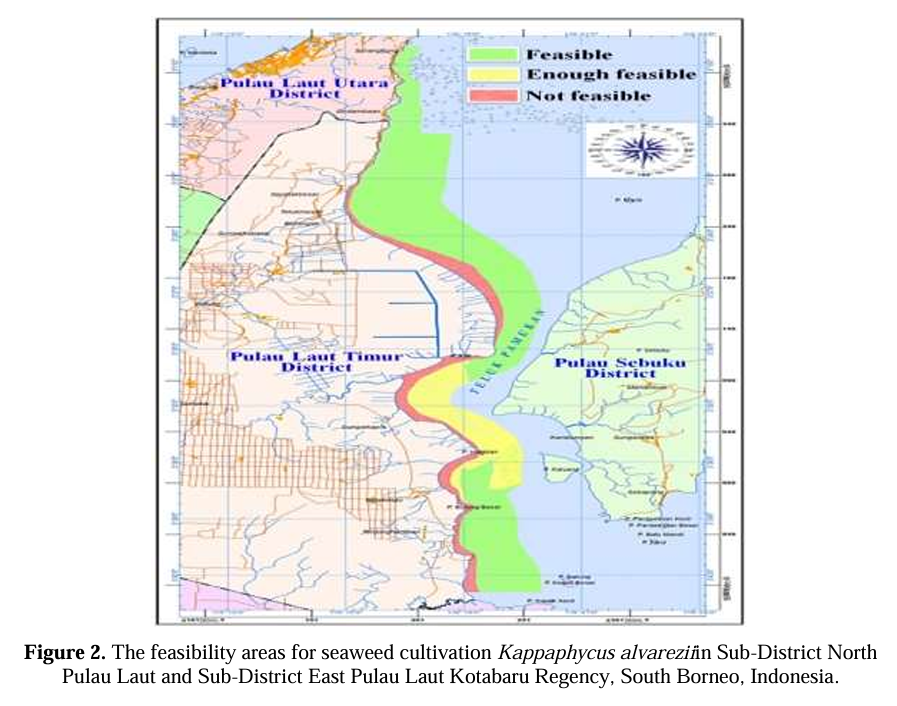
MAKASSAR, Indonesia September 1 2020/MARGO/ Beneath the turquoise waters off the coast of South Borneo lies a hidden treasure—not of gold or pearls, but of something equally valuable in today's global economy: seaweed. Kappaphycus alvarezii, the red seaweed that produces carrageenan—a jelly-like substance used in ice cream, toothpaste, cosmetics, and pharmaceuticals—is in high demand worldwide. But in the Kotabaru Regency of South Kalimantan, a vast potential remains largely untapped.
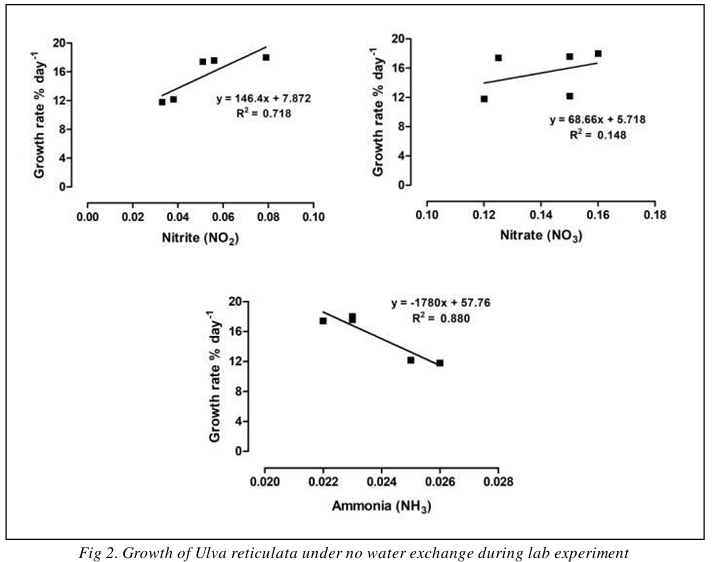
MAKASSAR, Indonesia Oktober 2019/MARGO/ Every day, millions of tons of nutrient-rich wastewater flow into coastal waters from fish farms, agriculture, and urban runoff. This pollution—particularly nitrogen compounds like ammonia, nitrite, and nitrate—triggers a phenomenon called eutrophication, where excessive nutrients cause harmful algal blooms, deplete oxygen, and devastate marine ecosystems. It is a global environmental crisis.
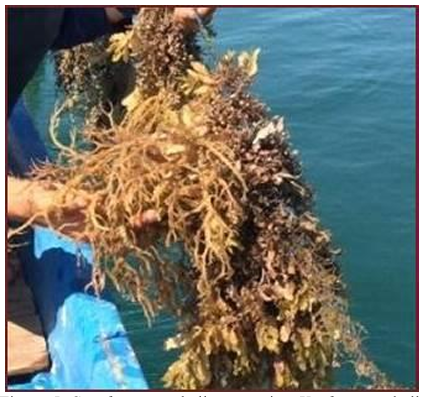
MAKASSAR, Indonesia April 1 2019/MARGO/ What if the secret to better, more valuable seaweed wasn't in the water, but in the company it keeps?
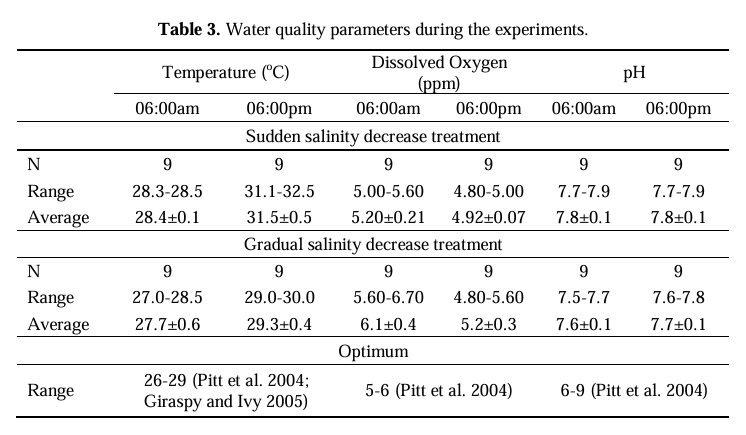
MAKASSAR, Indonesia September 1 2020/MARGO/ For coastal communities across Southeast Asia, the sandfish (Holothuria scabra) is more than just a sea cucumber—it is a lifeline. This humble creature, which burrows in sandy seabeds, commands high prices in international markets and provides essential income for thousands of poor fishing families. But overfishing has devastated wild populations. Aquaculture—raising sandfish in coastal ponds—has been promoted as a sustainable solution. Yet for more than 20 years, farmers have faced a frustrating problem: their sandfish keep dying, especially during the rainy season.
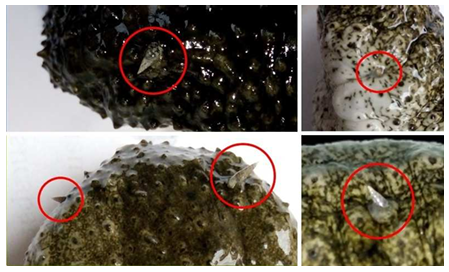
MAKASSAR, Indonesia Oktober 1 2019/MARGO/ What do a tiny snail, a common freshwater fish, and a prized sea cucumber have in common? In the world of multitrophic aquaculture, they share a tank—and sometimes, the consequences can be deadly
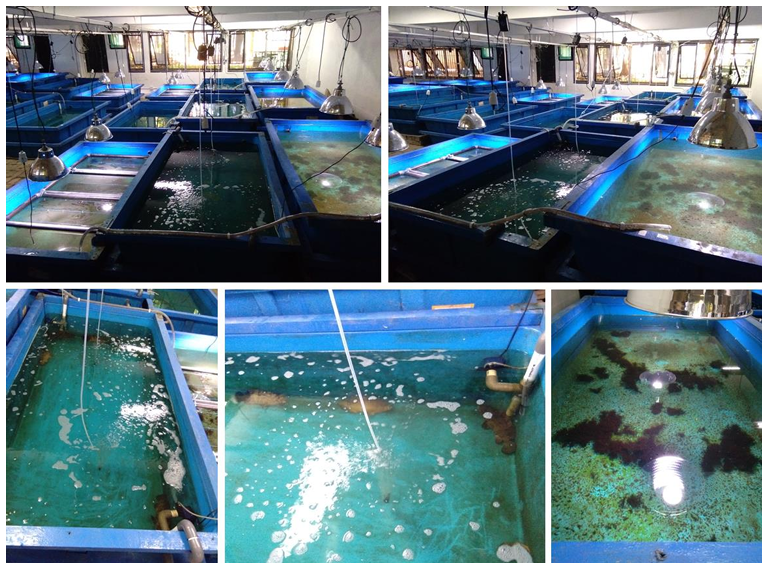
MAKASSAR, Indonesia November 1 2019/MARGO/ Environmental degradation is forcing us to rethink how we produce food. The old ways—using too much freshwater, dousing crops with fertilizers and pesticides, and watching soil wash away—are no longer sustainable. The future of food must move from land to sea, and it must be smarter, cleaner, and more efficient.
MAKASSAR, Indonesia Agustus 30 2021/MARGO/ At first glance, the problem facing seaweed farmers in Indonesia seems simple: their crop grows well, but prices crash unpredictably. One month, Gracilaria changii seaweed sells for a decent price; the next, it barely covers the cost of harvesting. Meanwhile, just a few meters away in the same brackishwater ponds, a potential solution swims-literally.
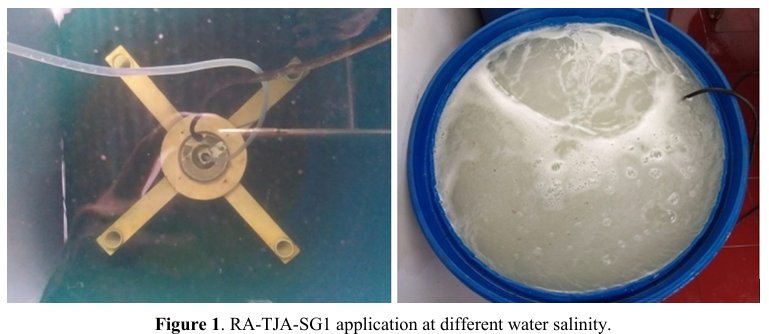
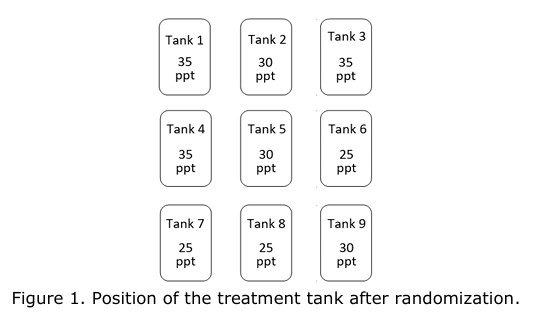
MAKASSAR, Indonesia Mei 1 2021/MARGO/ Imagine a shrimp farmer staring at a pond full of thousands of hungry, growing shrimp. The biggest fear isn't predators or disease—it's suffocation. In crowded ponds, shrimp consume oxygen rapidly. If levels drop too low, the entire harvest dies within hours. To prevent this, farmers rely on giant paddlewheel aerators that churn the water like oversized eggbeaters. But these machines come with a massive problem: they are energy guzzlers.
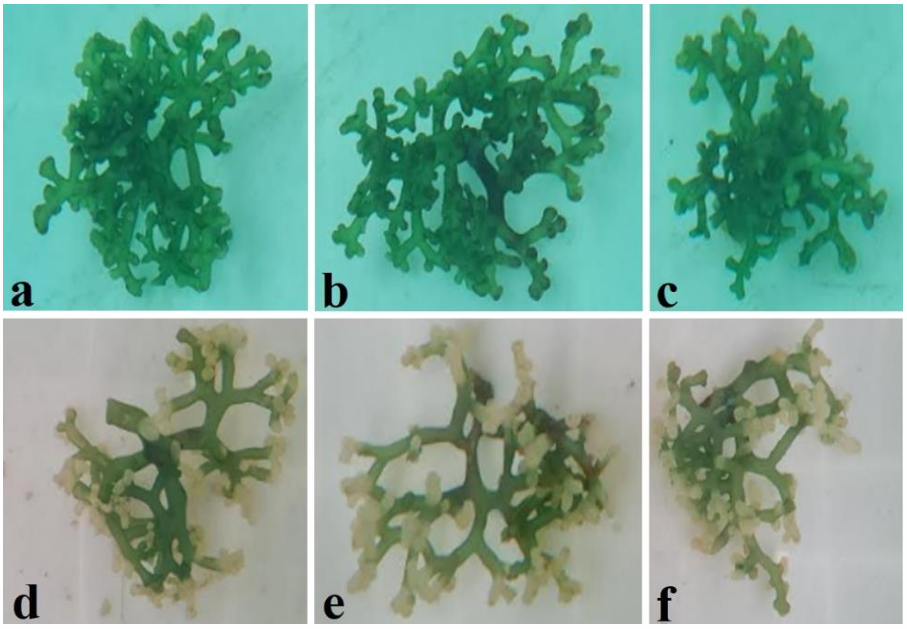
MAKASSAR, Indonesia Agustus 14 2025/MARGO/ Imagine being a seaweed farmer. You have carefully selected your seedlings, packed them for the journey, and transported them to your farm. But when you plant them, they grow slowly, produce less, and some simply die. What went wrong?
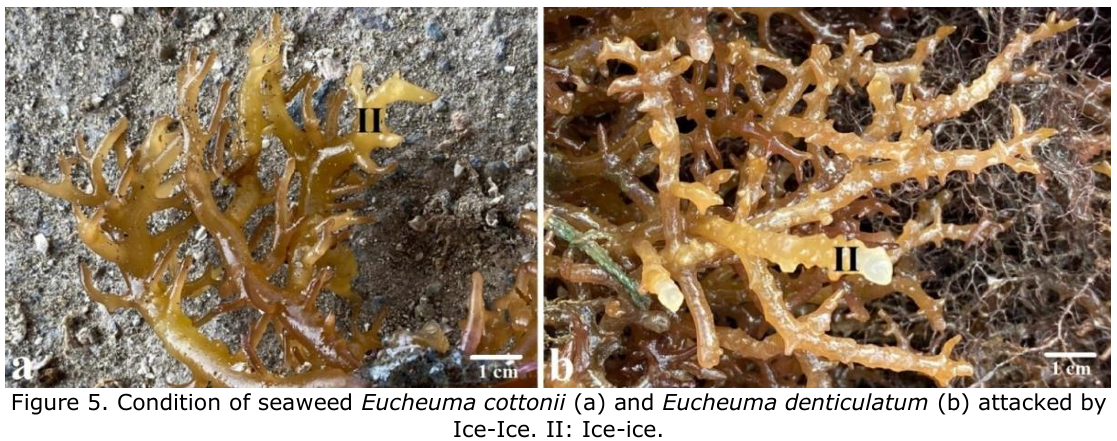
MAKASSAR, Indonesia Juni 1 2026/MARGO/ Imagine being a seaweed farmer. You plant your crop in the ocean, wait for weeks, and hope for a good harvest. But sometimes, the seaweed thrives. Other times, it suddenly sickens, turns white, and breaks apart. For farmers on the southern coast of South Sulawesi, Indonesia, this is a daily reality. But why does this happen?
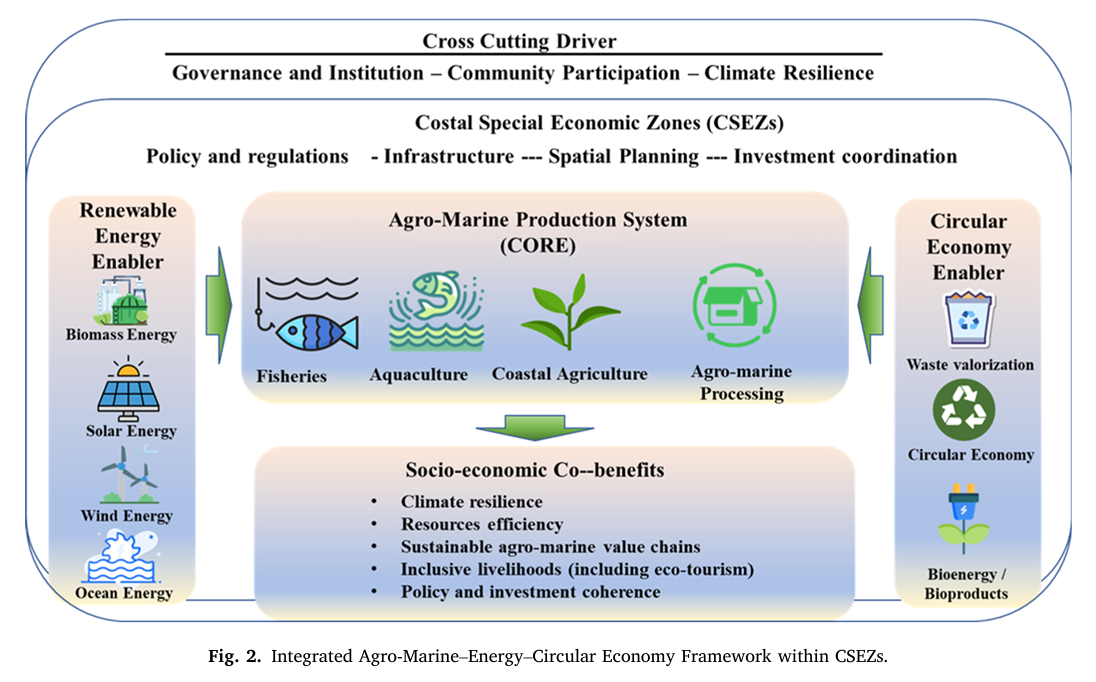
MAKASSAR, Indonesia Januari 19 2021/MARGO/ Coastal communities around the globe stand at a critical crossroads. On one side lies the immense potential of the ocean economy—from fishing and aquaculture to coastal agriculture. On the other side, rising sea levels, rising energy costs, and environmental pollution threaten the livelihoods of millions. For too long, coastal industries have operated in silos: fish farms operate separately from clean energy projects, and seafood waste is often discarded into ecosystems rather than repurposed. But what if we could connect these dots into one harmonious, sustainable system?
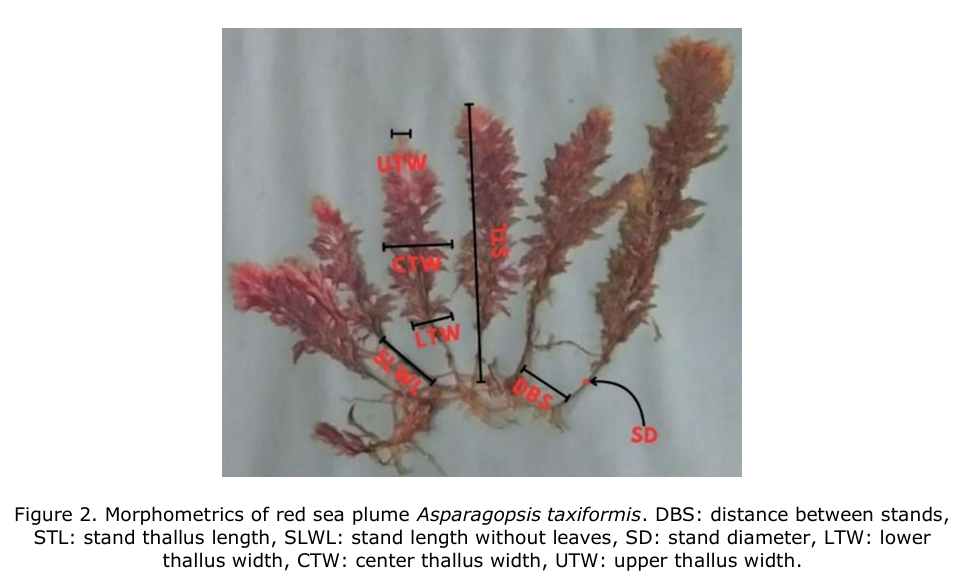
MAKASSAR, Indonesia April 21 2021/MARGO/ Global warming has rapidly transformed into an urgent humanitarian crisis, demanding creative, science-backed solutions from every corner of our planet. While ruminant livestock farming is widely recognized as a major contributor to atmospheric methane emissions—a potent greenhouse gas accelerating global climate change—a surprising natural ally has emerged from the ocean floor. The red sea plume, known scientifically as Asparagopsis taxiformis, holds extraordinary potential to slash methane emissions from cattle and sheep by up to 80 percent when added to feed. However, despite its promising eco-friendly qualities, expanding its production through large-scale commercial cultivation remains a significant challenge because scientists still know very little about its precise environmental and bioecological requirements.
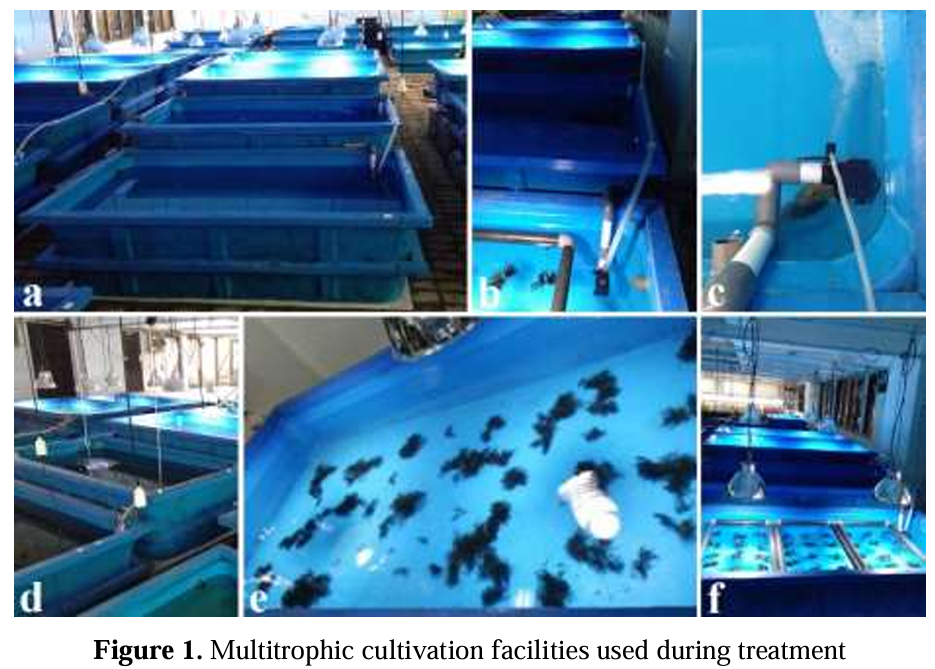
MAKASSAR, Indonesia Mei 1 2021/MARGO/ The brown-marbled grouper (Epinephelus fuscoguttatus) is one of the most lucrative commodities in the global seafood market. Highly prized for its tender meat, live groupers command premium prices that far exceed frozen fish. However, meeting this surging demand through traditional ocean farming presents critical environmental challenges. Intensive fish farming frequently relies on excess feeding, producing massive organic waste that pollutes coastal ecosystems. To tackle this ecological dilemma, researchers are turning to Integrated Multi-Trophic Aquaculture (IMTA)—a sustainable technique that pairs fish with natural bio-filters like seaweed.
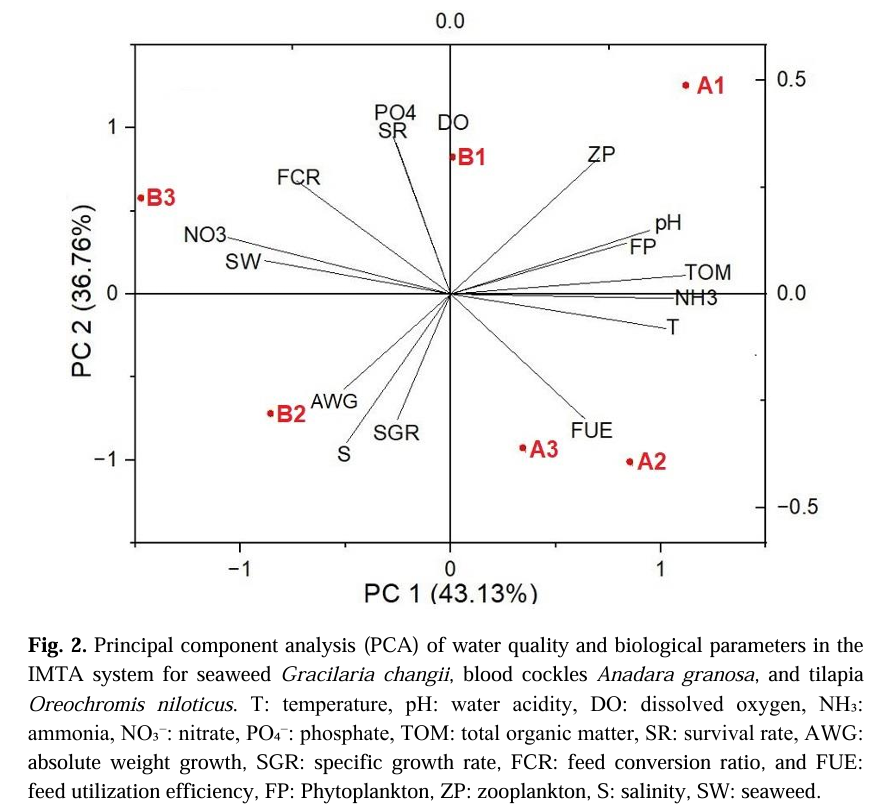
MAKASSAR, Indonesia Januari 1 2026/MARGO/ As global demand for animal protein rapidly rises, intensive fish farming has become vital for worldwide food security. Among the most popular farmed species is the Nile tilapia (Oreochromis niloticus), prized for its adaptability and high nutritional value. However, traditional feed-heavy aquaculture comes at a steep ecological cost. Unconsumed feed, fish feces, and excretions release vast amounts of nitrogen and phosphorus into the water. Studies show tilapia retain only about 14% to 38% of the nitrogen in their diet, leaving the rest to accumulate as toxic ammonia and organic matter. This nutrient overload rapidly degrades water quality, threatens fish survival, and pollutes coastal marine ecosystems.
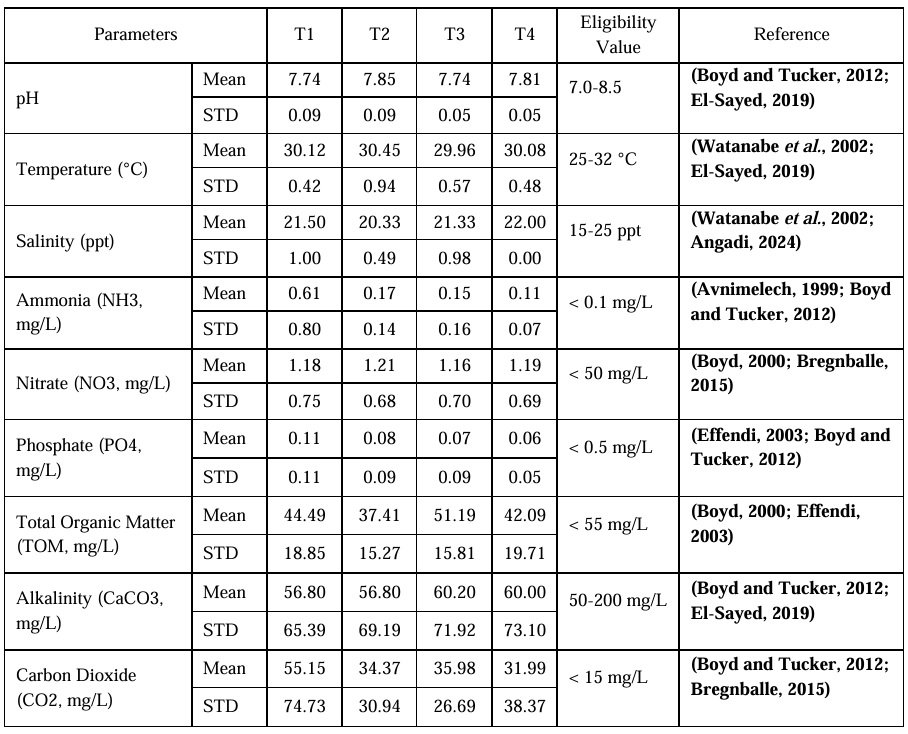
MAKASSAR, Indonesia Januari 1 2026/MARGO/ As global seafood demand surges, modern aquaculture faces a critical dilemma: how can we farm fish intensively without destroying the water environments they depend on? Traditional fish farming often produces high volumes of organic waste, nitrogen, and phosphorus, triggering water degradation and physiological stress in aquatic life. However, an innovative ecological farming technique is charting a cleaner, smarter path forward.
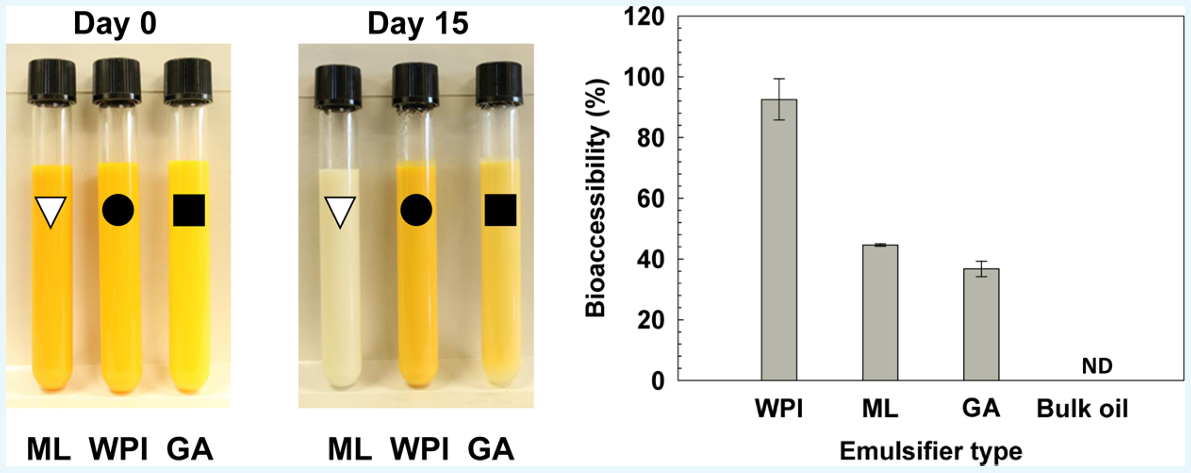
MAKASSAR, Indonesia Juni 18 2019/MARGO/Brown seaweed is not only a marine plant found in coastal ecosystems. It also contains fucoxanthin, a natural pigment that has attracted scientific interest because of its potential as a nutraceutical ingredient. The challenge is that fucoxanthin does not dissolve well in water and can be sensitive to light, oxygen, heat, and other conditions. These properties can make it difficult for the body to access efficiently.
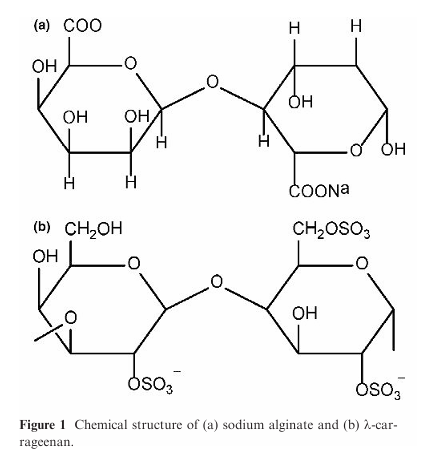
MAKASSAR, Indonesia July 10, 2019/MARGO/ What if something growing in the sea could help make everyday food products more stable? A study by Hakiki Melanie and colleagues explores that possibility by transforming polysaccharides from seaweed into potential natural emulsifiers—ingredients that help oil and water stay mixed.
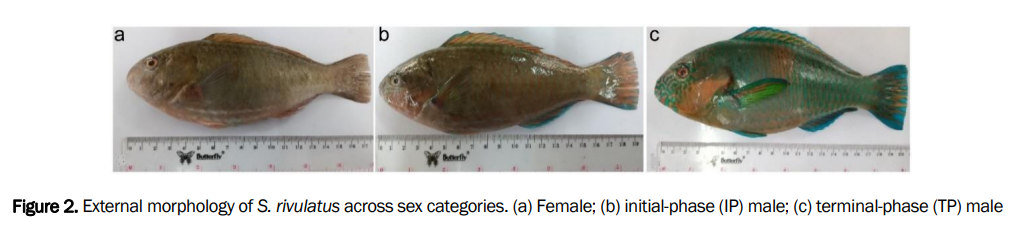
MAKASSAR, Indonesia Des 20 2025/MARGO/ What if a fish could change from female to male as it grew? In the shallow coral-reef waters of Indonesia’s Seribu Islands, the rivulated parrotfish (Scarus rivulatus) does exactly that. But this unusual ability is more than a biological curiosity. It may hold an important clue for protecting coral reefs and the fisheries that depend on them.