

Indonesia, Apr 2026 (trg/) — Local food innovation continues to demonstrate its potential through the development of traditional dangke cheese from Enrekang Regency, South Sulawesi. This milk-based product not only represents Indonesia’s rich biodiversity but has also become the subject of scientific research aimed at enhancing its nutritional value and health benefits through biotechnology and environmentally friendly materials.
The study explores the development of probiotic-based functional cheese using Lactobacillus delbrueckii subsp. bulgaricus, combined with biodegradable coating films. The findings reveal that glutamic acid was the dominant amino acid in the cheese, reaching an average of 43.60 mg/kg. Moreover, the application of biodegradable coatings—particularly 2% konjac, significantly improved the amino acid profile of the ripened cheese.
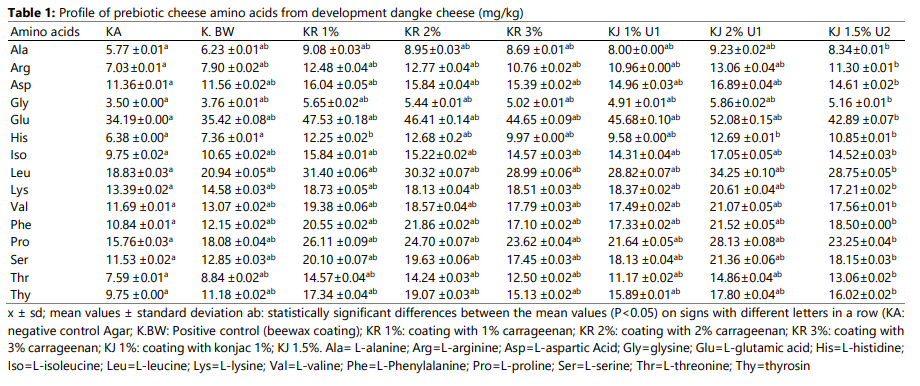
Beyond food innovation, this research aligns strongly with several Sustainable Development Goals (SDGs). SDG 1 (No Poverty) and SDG 4 (Quality Education) are reflected in strengthening research capacity and adding value to local products, which can improve the livelihoods of farmers and traditional producers. SDG 3 (Good Health and Well-being)is addressed through the development of probiotic cheese that may enhance immune function and support individuals with lactose intolerance.
Furthermore, the use of biodegradable films contributes to SDG 14 (Life Below Water) and SDG 15 (Life on Land) by reducing plastic waste and minimizing environmental pollution. This approach highlights how food innovation can align with ecosystem sustainability, both on land and in aquatic environments.
Importantly, the collaboration among institutions—both national and international—demonstrates the implementation of SDG 17 (Partnerships for the Goals), where global and local partnerships accelerate the development of applicable scientific solutions for society.
Overall, this research enriches the field of food science while emphasizing that traditional products like dangke can serve as drivers of sustainable innovation. From laboratory research to everyday consumption, it illustrates how Indonesia’s food future can be built upon local strengths integrated with modern technology.
Reference:
DOI: https://doi.org/10.47278/journal.ijab/2025.199
Contact:
Prof. Ratmawati Malaka
malaka_ag39@yahoo.co.id