

Indonesia, Apr 2026 (trg/) — Traditional foods are increasingly being transformed through modern technology, as seen in recent research on dangke, a local cheese from Enrekang, South Sulawesi. A study published in the Journal of Food Processing and Preservation explores the use of edible film coatings made from whey combined with konjac flour to improve the quality and shelf life of dangke cheese.
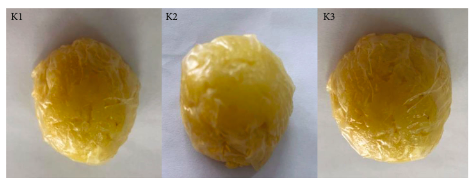
The research highlights that dangke, as a fresh cheese with high moisture content, is highly perishable and has limited market reach. To address this, researchers developed biodegradable edible coatings derived from whey—a by-product of cheese processing—and konjac flour, a natural polysaccharide known for its film-forming properties. These coatings act as protective barriers, helping to reduce moisture loss, microbial growth, and oxidative damage, thereby extending the product’s storage stability.
Importantly, the study demonstrates that such edible films not only preserve physical and chemical quality but also maintain sensory characteristics like texture and taste. By utilizing whey, the approach also adds value to dairy by-products that would otherwise be wasted, making the innovation both economically and environmentally beneficial.
From a sustainability perspective, this research aligns strongly with several Sustainable Development Goals (SDGs). SDG 3 (Good Health and Well-being) is addressed through improved food safety and quality, ensuring that dairy products remain safe for consumption. SDG 4 (Quality Education) is reflected in the advancement of food technology research and knowledge dissemination within academic institutions.
Furthermore, SDG 1 (No Poverty) is supported by increasing the commercial value and shelf life of local products like dangke, which can enhance income opportunities for small-scale dairy producers. The use of biodegradable edible films also contributes to SDG 14 (Life Below Water) and SDG 15 (Life on Land) by reducing reliance on synthetic plastic packaging and minimizing environmental pollution.
Equally important, the study showcases collaboration among multiple institutions and disciplines, highlighting the role of SDG 17 (Partnerships for the Goals) in driving innovation that bridges traditional food systems and modern science.
In conclusion, this research illustrates how simple yet effective technological interventions—such as edible film coatings—can significantly enhance the sustainability and marketability of traditional foods. By combining local knowledge with scientific innovation, dangke can evolve from a regional specialty into a competitive, sustainable food product with broader appeal.
Reference:
DOI: https://doi.org/10.1155/2024/4676923
Contact:
Prof. Ratmawati Malaka
malaka_ag39@yahoo.co.id