

Description
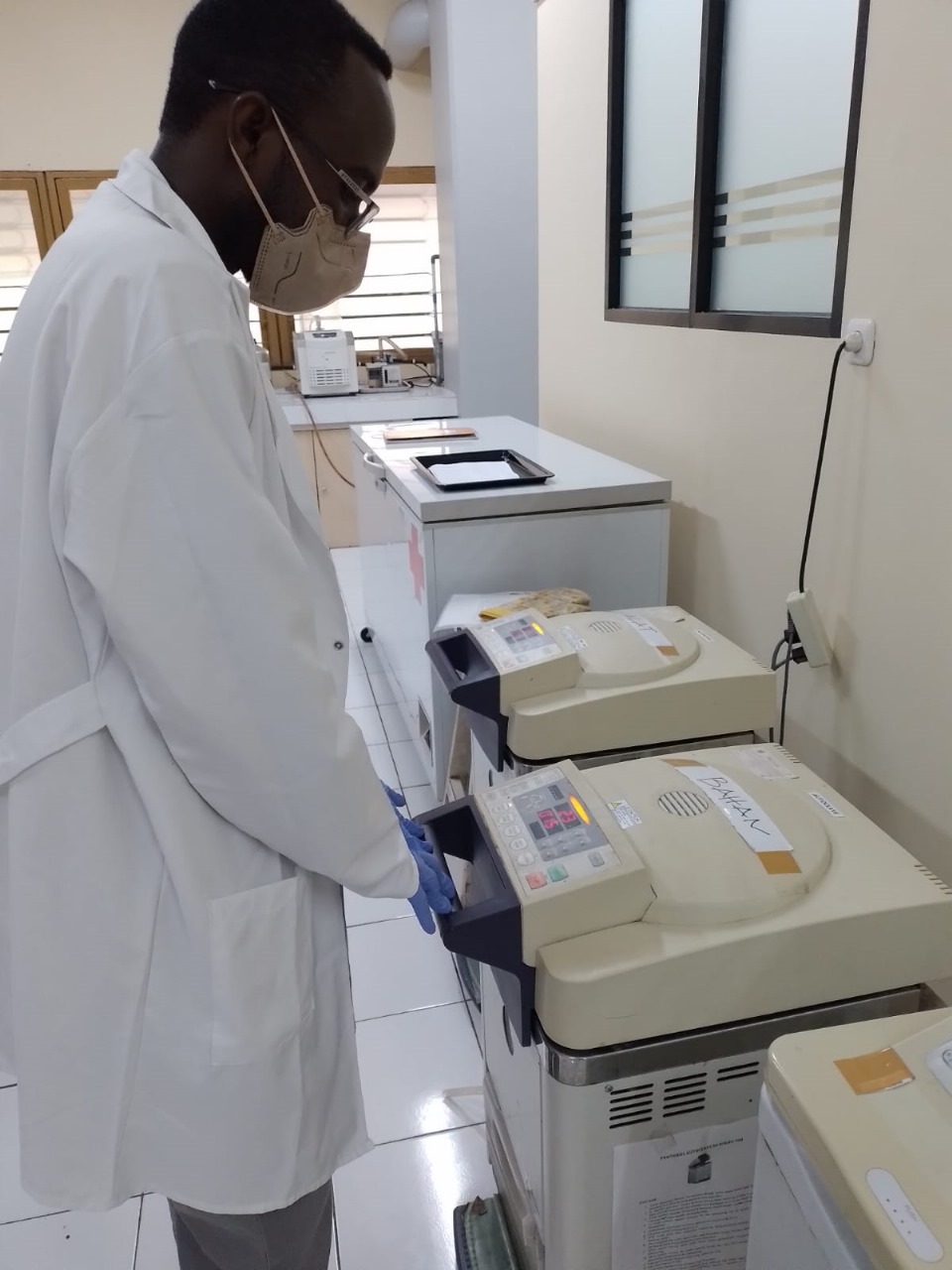
Using HACCP principles, all processing is carried out to prevent contamination of Dangke cheese at all critical control points. The raw milk was sourced from clean farms in the first phase of the study, where no Aspergillus flavus was detected on dairy farms in Enrekang Regency. Processing is also carried out with good sanitation and hygiene to prevent contamination by Aspergillus flavus, which can produce aflatoxins harmful to human health. Feed and food contamination by toxigenic fungi and their aflatoxins is one of the main threats to animal and human health worldwide and in the agricultural and industrial sectors. This study evaluated the contamination magnitude by Aspergillus species in dairy farms, aflatoxin AFB1 in cow feeds, and aflatoxin AFM1 in milk and local cheese (Dangke). One hundred twenty-two swabs from farms, 12 roughage feeds, 16 concentrated feeds, 39 fresh cow milk, and six cheese samples were analyzed for Aspergillus spp., AFB1, and AFM1 contamination. Aspergillus flavus and Aspergillus niger were detected in 13.93% and 7.38% of the swab samples, respectively. The roughage feeds showed low levels of AFB1, detected in 8.33% with contamination of 7.32 µ/kg, while concentrated feed was detected in 37.5% of specimens, with contamination levels of 27.8 µg/kg. Aflatoxin AFM1 was detected in raw milk samples and represented approximately 69.2% of samples, with a mean of 7.31 µg/kg. All local cheese samples were free of AFM1. There were critical points regarding HACCP inside the farms, which play significant roles in contamination by fungi and aflatoxins. Fungal contamination and aflatoxins pose dangerous public health problems to humans, especially infants and older people. Therefore, monitoring programs for mycotoxins are critical in reducing contamination.
Description
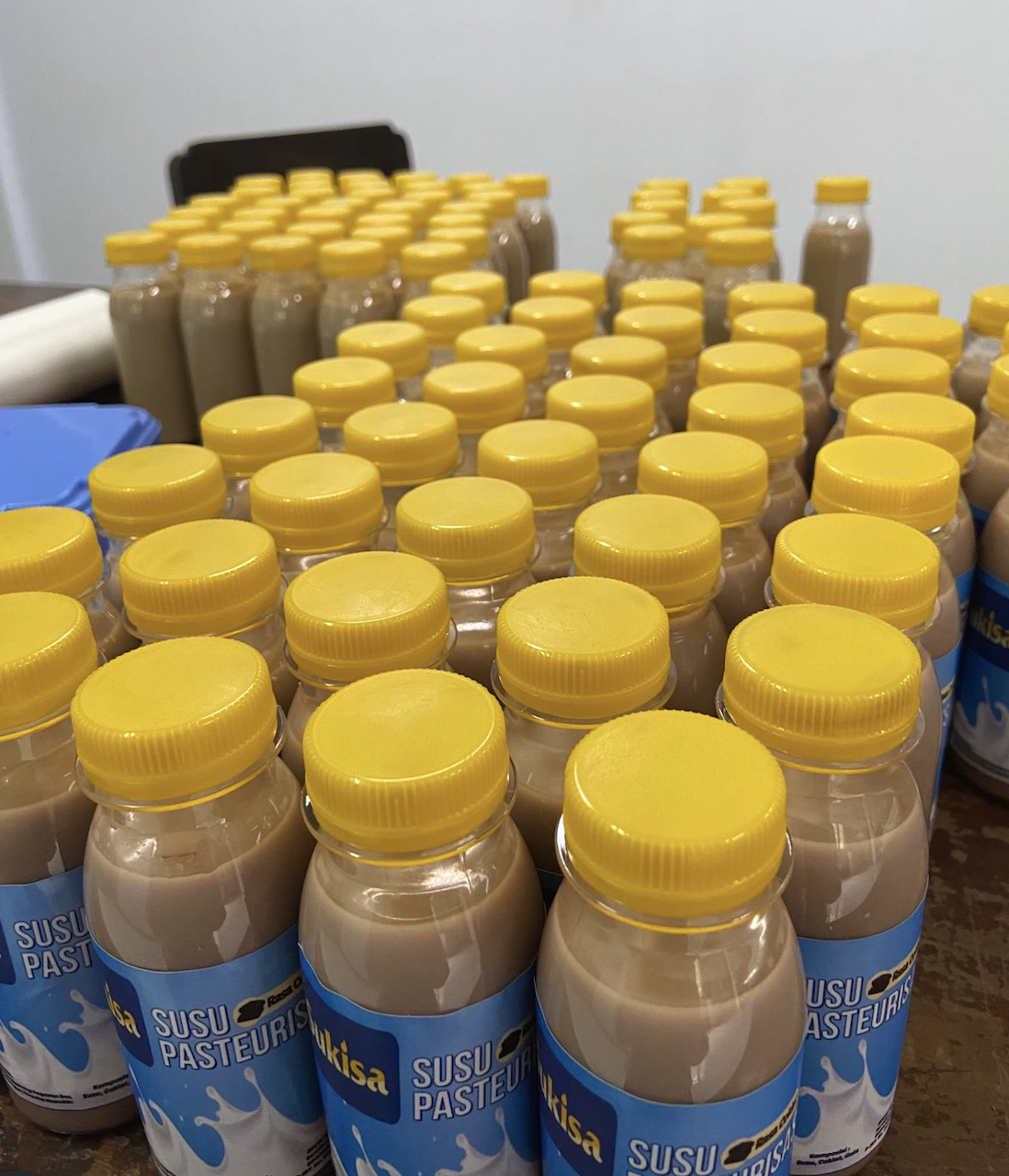
Demand for functional food products continues to rise in line with growing public awareness of the importance of a healthy lifestyle and disease prevention. Cow's milk is a highly nutritious food source with significant potential for development as a functional product. However, in Indonesia, the use of milk as a functional product is still limited to large-scale industries. Innovation in milk processing, including functional pasteurization, rich in bioactive compounds, such as antioxidants and non-viable probiotics, is urgently needed to address the community's nutritional challenges while providing added value for local farmers.
This research aims to develop a prototype of functional pasteurized cow's milk (SUKISA) formulated using natural bioactive ingredients and low-temperature pasteurization technology. This product is expected to have nutritional stability, adequate shelf life, and sensory characteristics acceptable to consumers, while also providing functional benefits such as increased immunity.
The methods used include the formulation of fresh milk raw materials with the addition of bioactive compounds (e.g., local plant extracts), a low-temperature pasteurization process, and analysis of physicochemical characteristics, antioxidant activity, and organoleptic testing. Evaluations are conducted to obtain an optimal formulation with the best quality and stability.
This research is at Technology Readiness Level (TKT) 6, where the system prototype has been tested in a relevant environment. The primary output of this research is a SUKISA prototype model, along with technical recommendations for its production process.
With an upstream-downstream approach and support from industry partners, this research is expected to encourage the development of high-value-added dairy products that are consumer-friendly, competitive in the market, and support the welfare of local farmers through the use of sustainable livestock products.

Description
This study develops an innovation in producing condensed milk from dangke whey by diversifying additional ingredients sourced from local products. The approach is designed to enhance nutritional value, sensory quality, and the economic potential of dangke whey
Description
This study investigates the characteristics of halal functional kefir by optimizing fermentation and heating duration. The research aims to improve its physicochemical quality, functional properties, and compliance with halal standards
Description
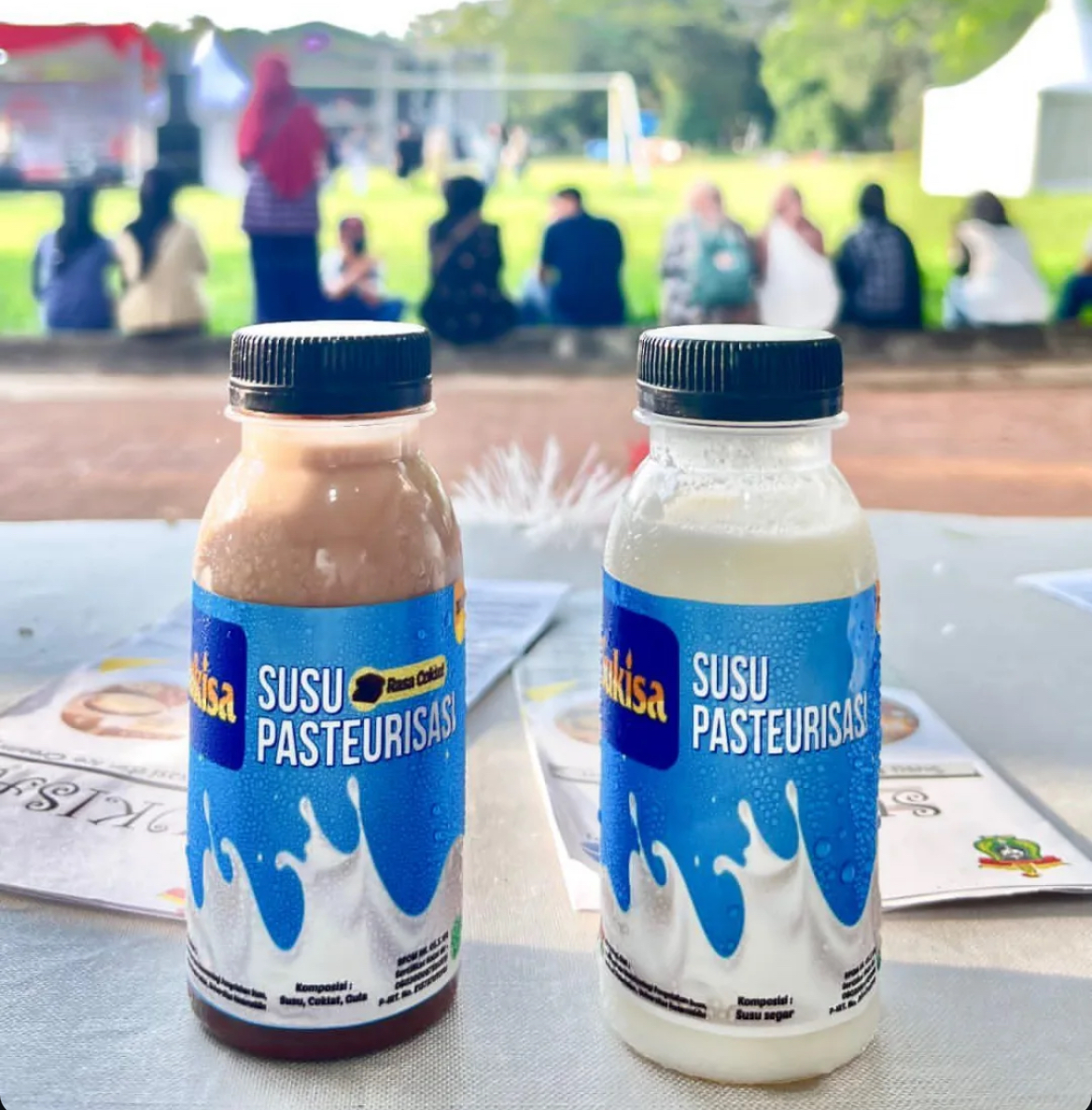
This research focuses on empowering dairy cow milk consumers through MSME-based management to enhance sales and economic value. Diversification into high-value processed products is promoted as a strategy to strengthen sustainability and competitiveness
Description
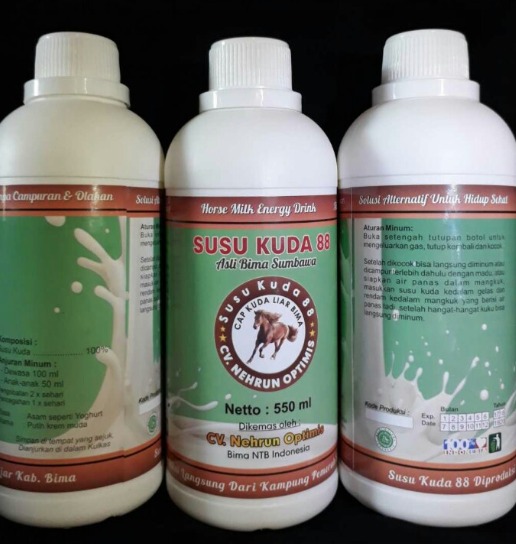
This study focuses on the standardization and characterization of dairy product suspensions from East Nusa Tenggara, Indonesia. The research aims to assess their physicochemical and microbiological properties to ensure consistent quality, safety, and potential functional benefits.

Description
This study aims to evaluate EPS production by Lactobacillus delbrueckii subsp. bulgaricus ropy strain at various incubation temperature conditions.

Description
This study aims to obtain functional pasteurized milk with the addition of matoa leaf extract (Pometia pinnata).

Description
Indonesia needs animal protein to increase national food security and resilience. One of the government\'s policies in fulfilling national food needs is to improve the diversity of food consumption, including protein consumption. Dangke is a traditional cheese product from Enrekang, South Sulawesi, which is made from fresh milk curdled using papaya latex (Carica papaya). The target to be achieved in this study is to produce Dangke Cheese products and their diversification, which are downstream and applied to the industry managed by the Milk Processing Unit of the Faculty of Animal Science, Hasanuddin University as the forerunner of industry in supporting the Center of Excellence of the Faculty of Animal Science, Hasanuddin University in the Development of Animal Protein Products.

Description
The development of prebiotic cheese products is also one solution for utilizing milk production in South Sulawesi, considering there is no milk processing industry in this area. Therefore, cheese with several variants, functions as a functional food, and has a relatively long shelf life should be produced so that the product\'s marketing is broader. This would seek market opportunities for export purposes and reduce cheese imports, thereby reducing the waste of foreign exchange, increasing the economy, and providing opportunities for developing the dairy industry in Indonesia.