

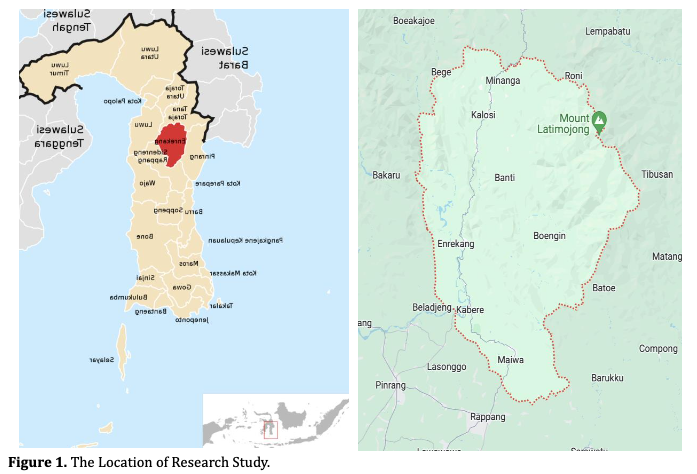
Indonesia, Apr 2026 (trg/) — Food safety challenges in local dairy systems are gaining attention as recent research from Enrekang, South Sulawesi, reveals the presence of aflatoxin contamination in animal feed and raw milk. The study investigates how aflatoxin B1 (AFB1) in feed is transferred into aflatoxin M1 (AFM1) in milk, highlighting potential health risks for consumers and the need for improved management in smallholder dairy farms.
The findings show that contamination is widespread across the dairy value chain. According to the results section (pages 6–7), 37.5% of concentrated feed samples contained AFB1, with levels ranging from 6.04 to 58.74 µg/kg, while 69.2% of raw milk samples tested positive for AFM1. Alarmingly, the detected AFM1 levels exceeded international safety thresholds, indicating a significant public health concern.
The study explains that aflatoxins originate from fungal contamination—primarily Aspergillus species—which thrive in warm and humid environments typical of tropical regions like Indonesia. As described in the introduction (page 2), contaminated feed consumed by dairy cows is metabolized in the liver, converting AFB1 into AFM1, which is then excreted into milk. This pathway makes feed quality a critical control point in ensuring safe dairy production.
Interestingly, the research also found that all samples of local cheese (dangke) were free from AFM1 contamination, likely due to traditional processing methods using papain enzymes and better hygienic practices. Meanwhile, statistical analysis indicates that lactation period and parity order alone did not significantly influence AFM1 levels, but their interaction showed a measurable effect, as illustrated in the graph on page 8, suggesting that physiological factors may still play a role in contamination dynamics.
From a sustainability perspective, this study strongly aligns with several Sustainable Development Goals (SDGs). SDG 3 (Good Health and Well-being) is central, as reducing aflatoxin exposure is critical to preventing serious health risks such as liver cancer and immune system impairment. SDG 4 (Quality Education) is reflected in the need to educate farmers and stakeholders about proper feed handling, storage, and contamination prevention.
At the same time, improving dairy safety contributes to SDG 1 (No Poverty) by enhancing product quality and market value for smallholder farmers. Better feed management and reduced contamination also support SDG 15 (Life on Land)and SDG 14 (Life Below Water) by promoting sustainable agricultural practices and minimizing environmental contamination from poor storage and waste systems.
Importantly, the study highlights the need for collaboration among farmers, researchers, and policymakers, emphasizing SDG 17 (Partnerships for the Goals) as a key driver for implementing effective monitoring systems and food safety standards across the dairy sector.
In conclusion, this research underscores that aflatoxin contamination is not merely a laboratory concern—it is a systemic issue affecting food safety, public health, and rural livelihoods. Strengthening awareness, improving feed management, and implementing preventive strategies are essential steps toward safer and more sustainable dairy production in Indonesia.
Reference:
DOI: 10.1088/1755-1315/1502/1/012036
Contact:
Prof. Ratmawati Malaka
malaka_ag39@yahoo.co.id