

Indonesia, Apr 2026 (trg/) — Advances in functional food science are increasingly shaped by innovations in probiotic delivery systems, particularly through encapsulation technologies that enhance stability and effectiveness. A recent study published in the International Journal of Design & Nature and Ecodynamics provides a comprehensive bibliometric analysis of global research trends in probiotic encapsulation, offering insights into how science is evolving to support sustainable nutrition systems.
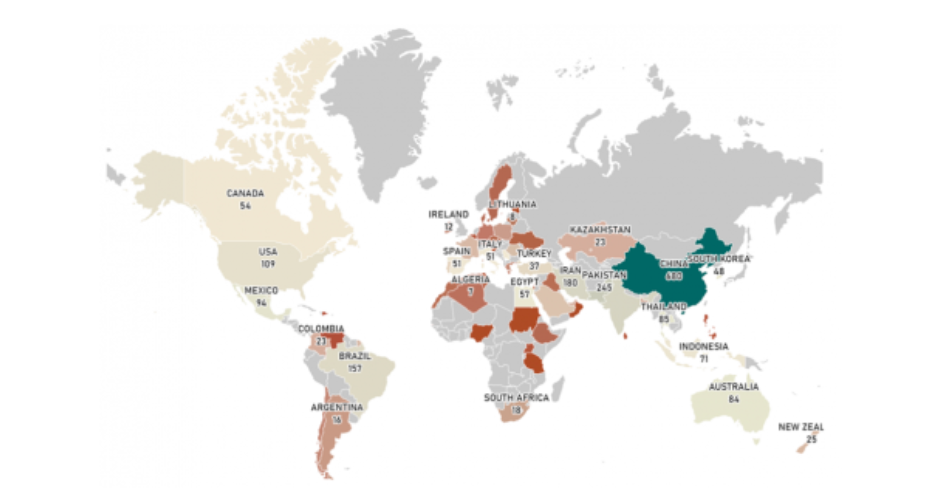
The study analyzed 515 scientific publications indexed in Scopus, revealing a significant surge in research activity after 2015. This growth reflects rising global interest in improving probiotic viability during processing, storage, and gastrointestinal transit. Advanced techniques such as microencapsulation and co-encapsulation have emerged as dominant approaches, enabling probiotics to maintain functionality and deliver health benefits more effectively.
From a sustainability perspective, this research strongly aligns with multiple Sustainable Development Goals (SDGs). SDG 3 (Good Health and Well-being) is directly addressed through improved delivery of probiotics that support gut health and overall immunity. Meanwhile, SDG 4 (Quality Education) is reflected in the expansion of scientific knowledge and analytical tools—such as Bibliometrix and VOSviewer—used to map global research landscapes and guide future innovation.
In addition, the development of efficient and scalable encapsulation technologies contributes to SDG 1 (No Poverty) by creating opportunities for the functional food industry, potentially increasing economic value for producers and stakeholders. The emphasis on environmentally conscious materials and processes also supports SDG 14 (Life Below Water) and SDG 15 (Life on Land), as sustainable production methods reduce ecological impact and promote responsible resource use.
Equally important, the study highlights extensive international collaboration among researchers, institutions, and countries, demonstrating the role of SDG 17 (Partnerships for the Goals) in advancing scientific innovation. The bibliometric mapping reveals key contributors and networks that drive knowledge exchange and accelerate technological progress in this field.
Ultimately, this research underscores that probiotic encapsulation is not merely a technical advancement, but a strategic pathway toward a more resilient and sustainable food system. By bridging scientific innovation with global collaboration, it paves the way for functional foods that are both health-promoting and environmentally responsible.
Reference:
DOI: https://doi.org/10.18280/ijdne.200721
Contact:
Prof. Ratmawati Malaka
malaka_ag39@yahoo.co.id