

Indonesia, Apr 2026 (trg/) — Traditional Indonesian food once again demonstrates its scientific relevance through a study conducted at Hasanuddin University, Makassar, exploring the health effects of dangke, a local soft cheese. The research investigates how dangke consumption influences body weight, blood glucose, and total cholesterol levels in rats subjected to a high-fat and fructose diet (HFFD), a model commonly used to simulate obesity and metabolic syndrome.
The experimental study involved 24 Sprague-Dawley rats divided into six groups, including normal diet, high-fat diet, pharmaceutical controls (acarbose and orlistat), and dangke intervention groups. Results revealed that dangke consumption significantly inhibited weight gain and reduced fasting blood glucose levels compared to the HFFD group. Additionally, dangke effectively lowered total cholesterol levels, demonstrating its potential as a functional food in preventing metabolic disorders.
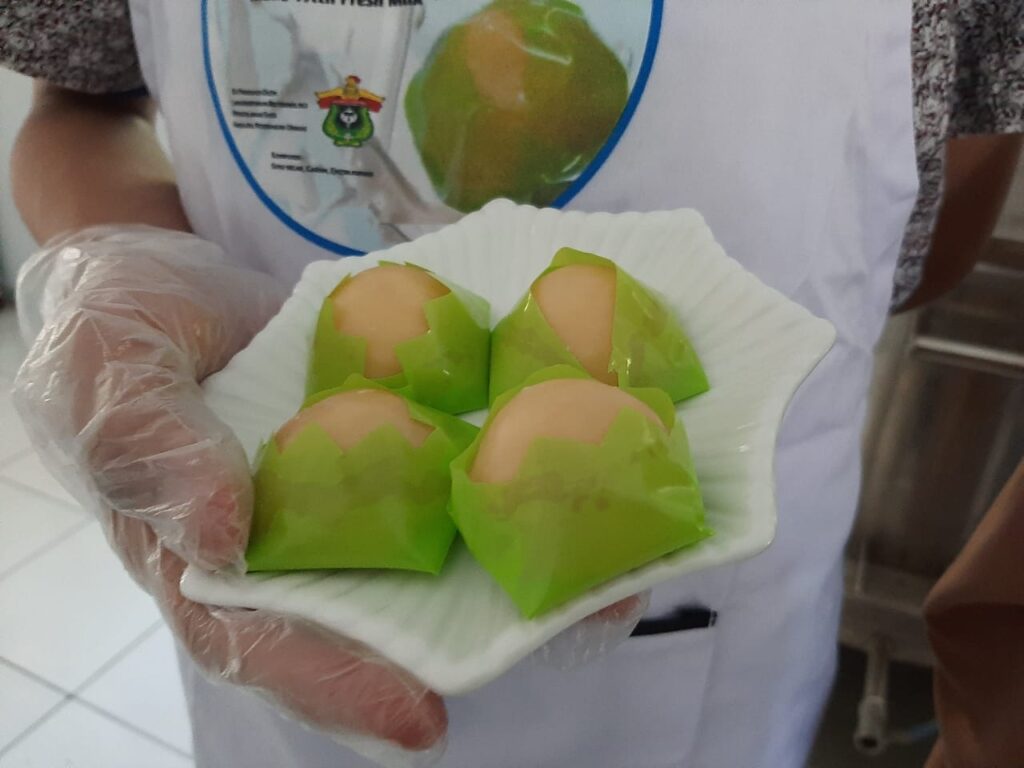
Further analysis shows that these benefits are closely linked to the presence of lactic acid bacteria and bioactive peptides in dangke. These compounds contribute to improved glucose metabolism, enhanced insulin sensitivity, and reduced lipid absorption. As described in the results and discussion sections (pages 4–6), dangke-treated groups consistently showed better metabolic profiles compared to untreated high-fat diet groups, with notable reductions in glucose and cholesterol levels.
From a sustainability perspective, this research aligns strongly with several Sustainable Development Goals (SDGs). SDG 3 (Good Health and Well-being) is directly addressed through the potential of dangke to prevent obesity, hyperglycemia, and hypercholesterolemia—major risk factors for chronic diseases. SDG 4 (Quality Education) is reflected in the advancement of biomedical research and knowledge generation within Indonesian academic institutions.
At the same time, SDG 1 (No Poverty) is supported by enhancing the economic value of local dairy products, offering opportunities for rural communities and small-scale producers. The promotion of traditional, locally sourced functional foods also contributes indirectly to SDG 15 (Life on Land) and SDG 14 (Life Below Water) by encouraging sustainable food systems and reducing dependence on highly processed industrial products that may harm ecosystems.
Equally important, this research exemplifies SDG 17 (Partnerships for the Goals) through collaboration among multidisciplinary researchers in biomedicine, animal science, and nutrition. Such partnerships are essential in translating local food potential into globally relevant health solutions.
Reference:
DOI: 10.47307/GMC.2023.131.s4.18
Contact:
Prof. Ratmawati Malaka
malaka_ag39@yahoo.co.id