


Description
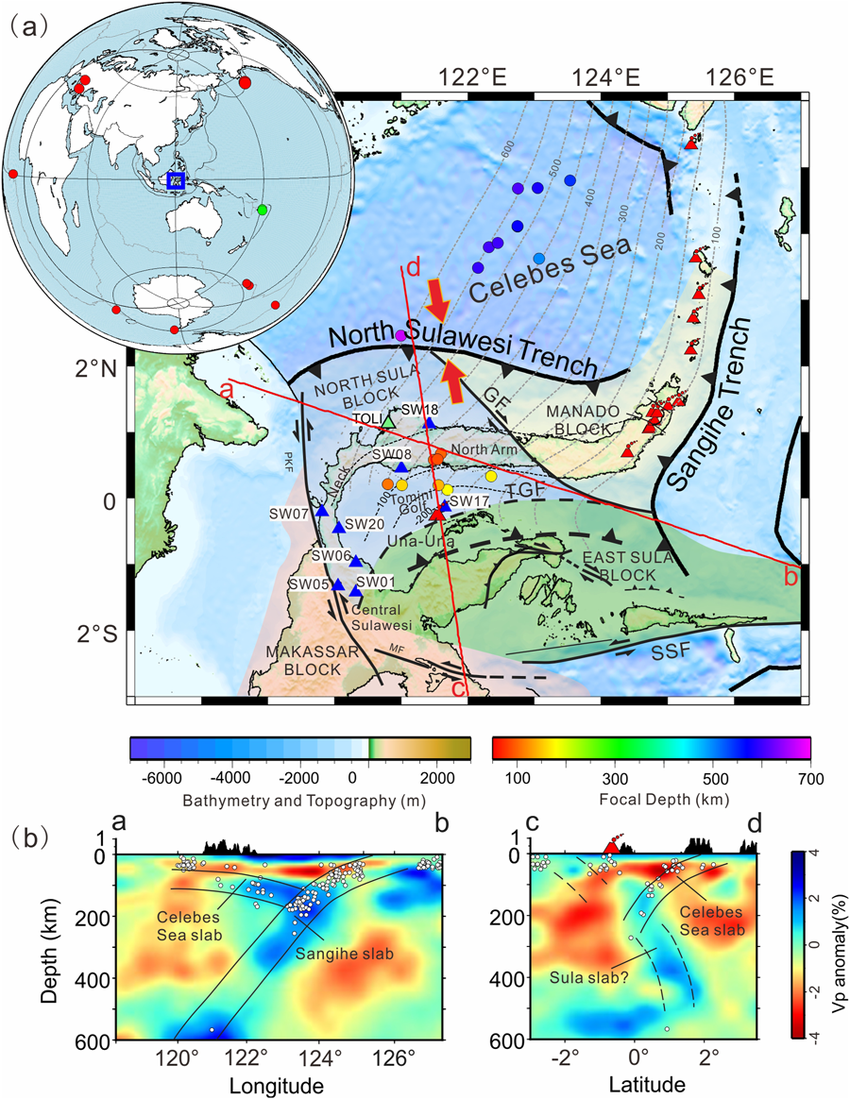
MAKASSAR, Indonesia May 22 2026 /GLOHAMOD/– Far below the islands of Sulawesi, where no human eye can see, powerful currents of slowly flowing rock are shaping the future of one of Indonesia’s most tectonically active regions. These hidden movements, occurring hundreds of kilometers beneath the Earth’s surface, control how tectonic plates interact, where stress builds up, and how future earthquakes may unfold.
Description
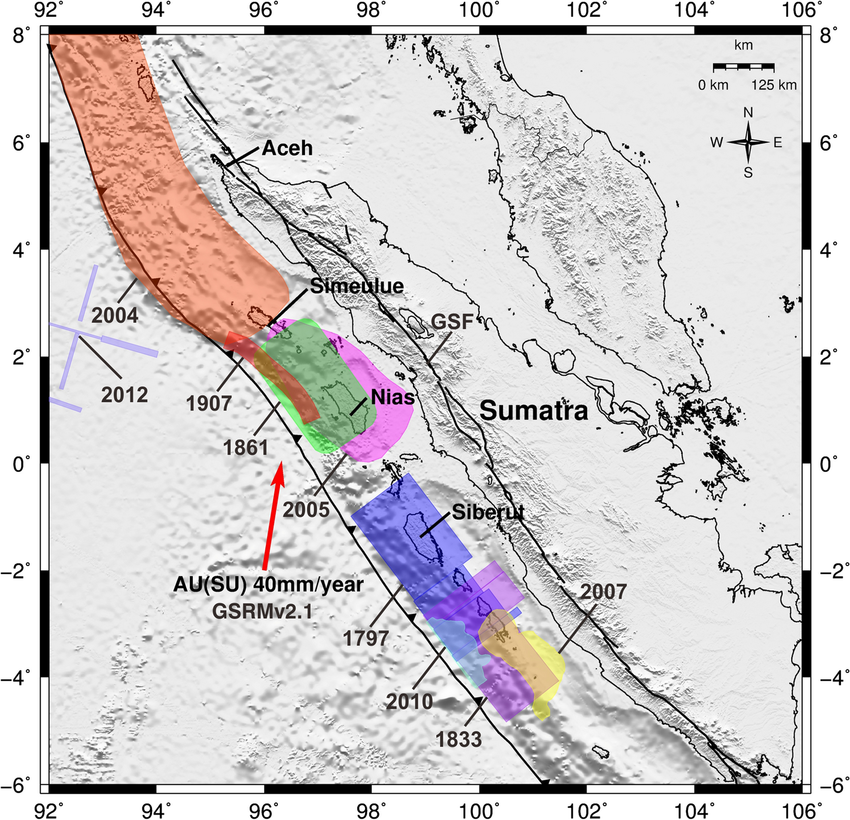
MAKASSAR, Indonesia May 22 2026 /GLOHAMOD/– Beneath the lush landscapes and densely populated communities of Sumatra lies one of Southeast Asia’s most dangerous geological systems—the Great Sumatran Fault. Stretching nearly 1,900 kilometers along the island, this massive fracture in the Earth’s crust silently stores tectonic energy that can be released without warning in devastating.
Description
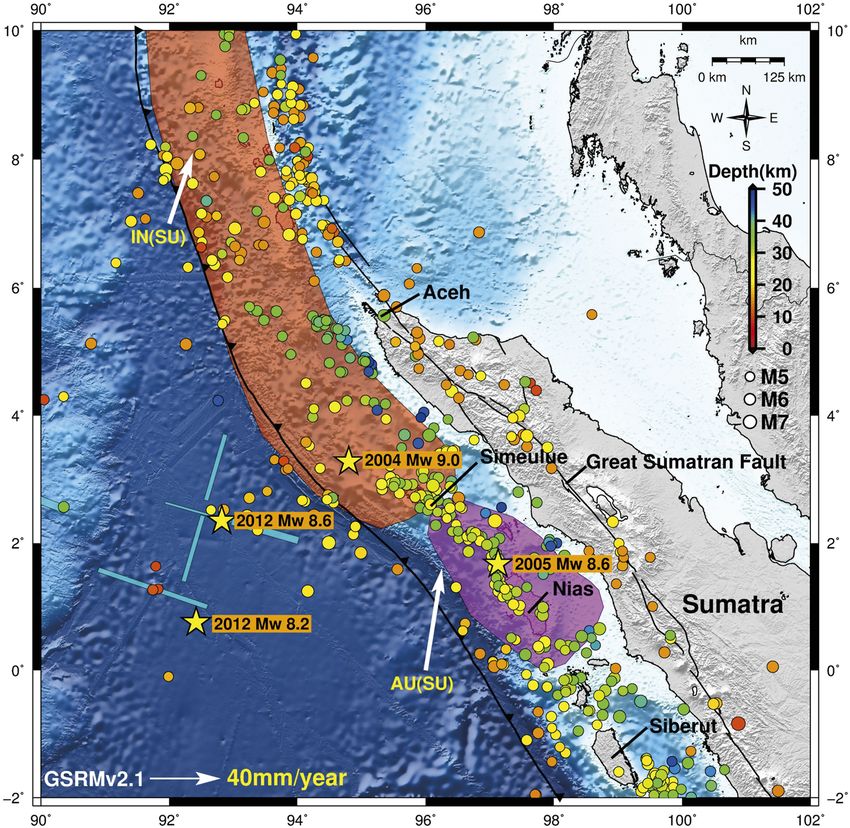
MAKASSAR, Indonesia May 22 2026 /GLOHAMOD/– More than two decades after two of the largest earthquakes ever recorded struck Sumatra, scientists are still uncovering the secrets buried deep beneath the ocean floor. The massive 2004 Sumatra-Andaman earthquake and the 2005 Nias-Simeulue earthquake not only caused devastating tsunamis and widespread destruction, but also permanently changed the stress patterns within one of Earth’s most dangerous tectonic zones.

Description
MAKASSAR, Indonesia May 22 2026 /GLOHAMOD/– To many visitors, Galesong Beach in South Sulawesi may appear timeless—a stretch of sand shaped by gentle waves and tropical winds. But beneath this peaceful appearance, the coastline is constantly moving. Some areas are growing wider as new sediment accumulates, while others are slowly disappearing under the pressure of erosion. A new scientific study now reveals how these hidden coastal shifts are reshaping one of South Sulawesi’s most important shorelines.
Description
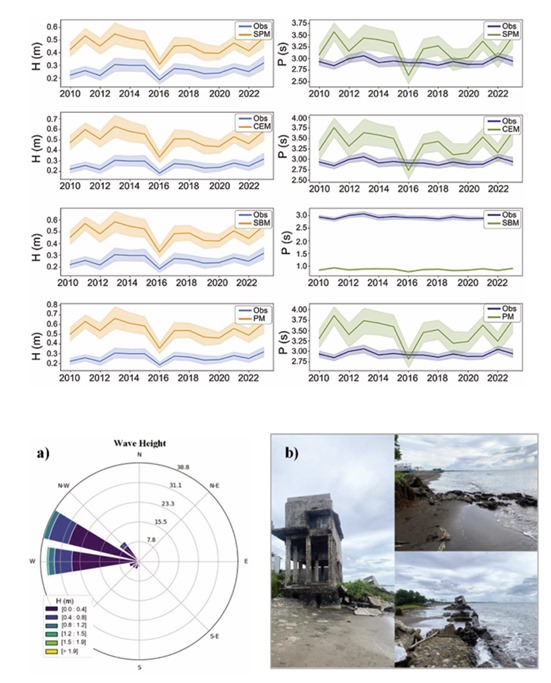
MAKASSAR, Indonesia May 22 2026 /GLOHAMOD/– The waves that roll onto Galesong Beach may appear calm and predictable, but beneath their rhythm lies a powerful force shaped by seasonal winds and changing climate patterns. For coastal communities in South Sulawesi, understanding these wave movements is not just a matter of science—it is essential for safety, economic stability, and long-term coastal resilience.
Description
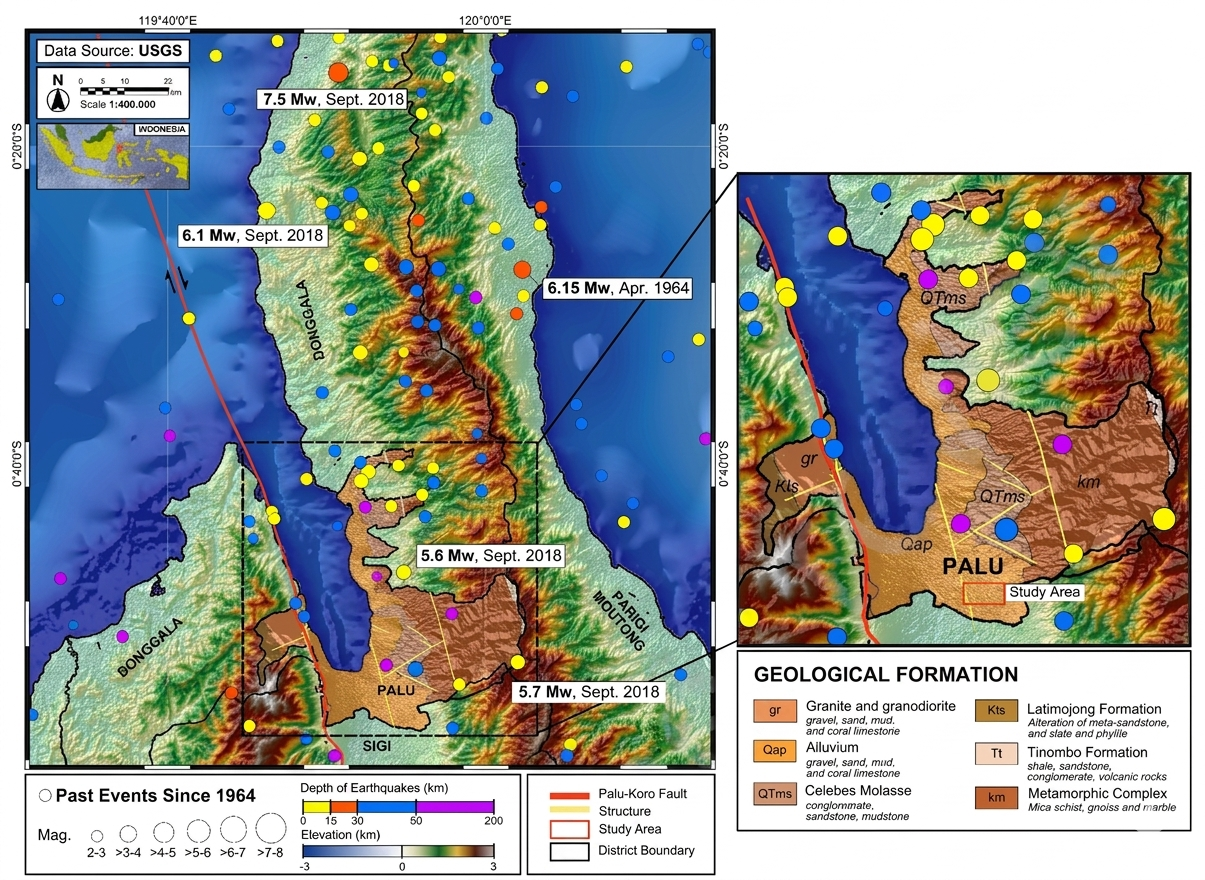
MAKASSAR, Indonesia May 22 2026 /GLOHAMOD/– Nearly eight years after the devastating 2018 Palu earthquake and liquefaction disaster, the ground beneath Petobo is still telling its story. Once one of the hardest-hit areas during the Mw 7.5 earthquake, Petobo became a symbol of how powerful seismic forces can instantly reshape communities. Now, new scientific findings reveal that the land is slowly recovering—and its hidden changes may help protect lives in the future.
Description
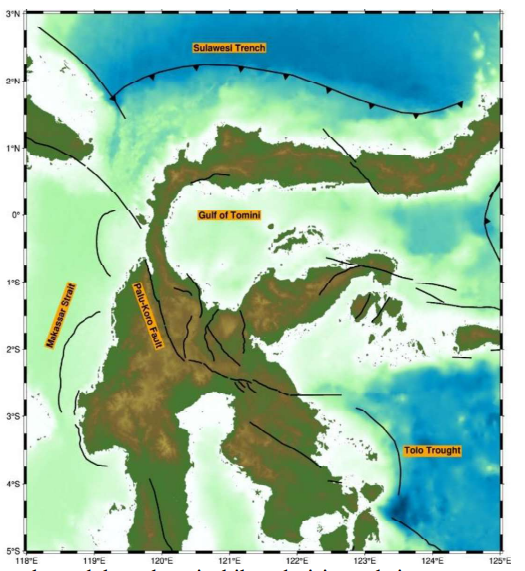
MAKASSAR, Indonesia May 22 2026 /GLOHAMOD/– Sulawesi is one of Indonesia’s most earthquake-prone regions, sitting on a complex meeting point of active tectonic plates that constantly reshape the earth beneath its surface. For millions of people living across Central, West, and South Sulawesi, the threat of sudden seismic activity is not a distant possibility—it is part of everyday reality. But what if science could read the earth’s hidden warning signs before disaster strikes?
Description
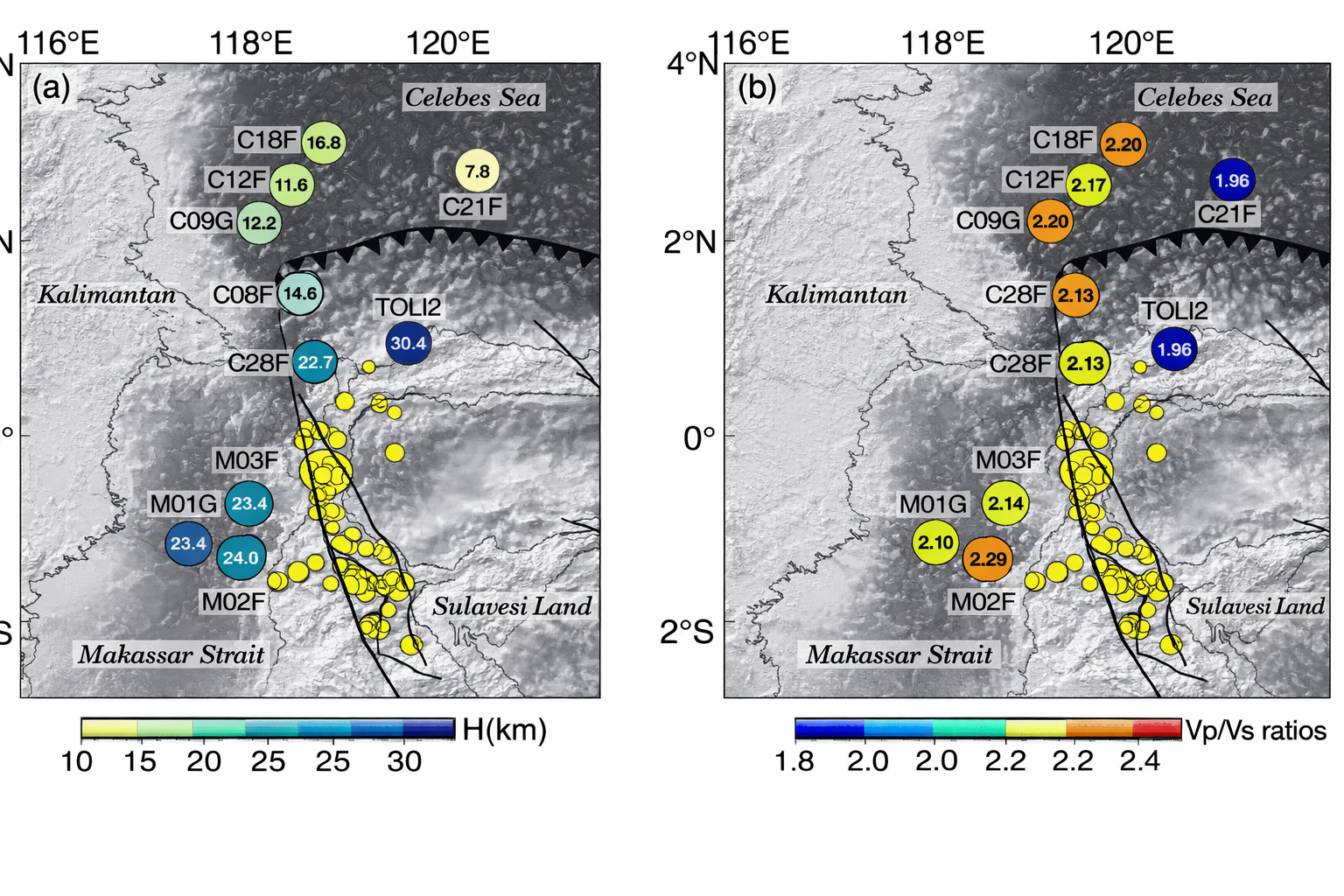
MAKASSAR, Indonesia May 22 2026 /GLOHAMOD/– What if the key to predicting future earthquakes and tsunamis in Sulawesi lies deep beneath the ocean floor? A new scientific discovery is offering fresh insight into one of Indonesia’s most complex and dangerous tectonic systems, revealing hidden structures beneath the Celebes Sea that may help scientists better understand how devastating submarine earthquakes can occur.
Description
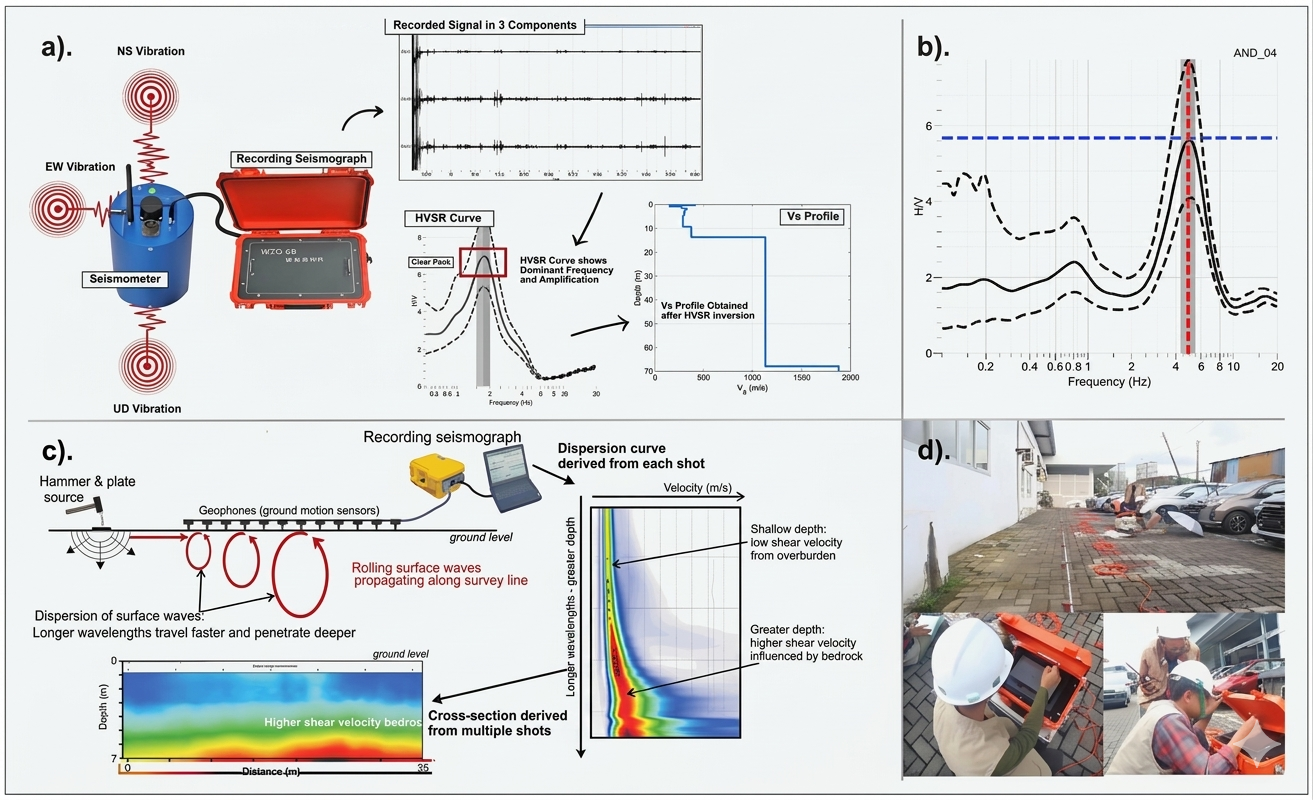
MAKASSAR, Indonesia May 22 2026 /GLOHAMOD/– When the devastating 2021 Mamuju earthquake struck West Sulawesi, it left more than damaged buildings and fractured roads. It exposed a hidden danger beneath the surface—soil liquefaction, a phenomenon where saturated ground temporarily loses its strength during intense shaking, causing buildings to tilt, sink, or collapse. Now, a new scientific study is helping reveal which parts of Mamuju are most vulnerable and how future disasters can be reduced.