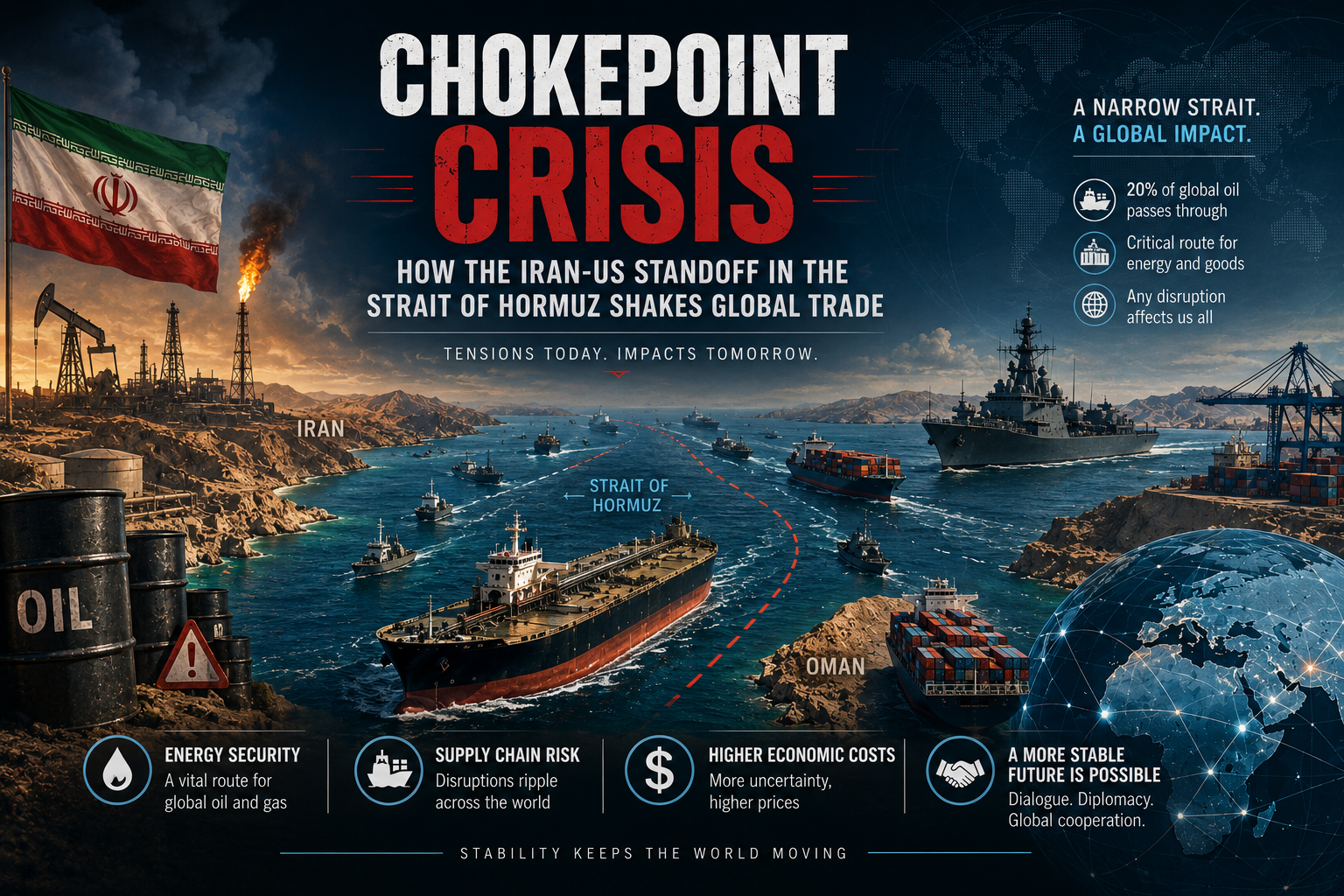

Makassar/Indonesia/30-01-2025/PCD-RG —– Imagine a narrow strip of ocean separating Iran and Oman through which nearly twenty percent of the world’s daily oil supply must pass. That vital artery is the Strait of Hormuz, a maritime bottleneck where localized geopolitical tensions frequently trigger global alarm. When friction arises in this concentrated body of water, the international economy feels an immediate shockwave. The long-standing tension between Iran and the United States within this strategic gateway serves as a powerful reminder of how fragile global energy security becomes when national sovereignty directly collides with superpower interest.
This crucial geopolitical tug-of-war is comprehensively examined in a study titled Security and Sovereignty in The Strait of Hormuz: The Iran-USA Conflict, published in the Journal of Peace, Security and Democracy by the Center for Peace, Conflict, and Democracy Universitas Hasanuddin on January 30, 2025. The research unpacks the contrasting motivations driving both nations into recurrent confrontation. For Iran, controlling its territorial waters within the strait provides both a defensive shield and a significant economic bargaining chip against severe Western sanctions imposed over its nuclear program. By threatening or enforcing restrictions on commercial shipping, Tehran actively seeks to defend its national sovereignty and counterbalance external political pressure.
Conversely, the United States operates under a strategy aimed at preserving world order and ideological leadership. Washington views itself as the primary police force of global freedom of navigation, striving to keep international sea lanes open for uninterrupted maritime commerce. Consequently, military deployments, warship patrols, and naval escorts have become routine fixtures in the region. However, when both nations rely on confrontational strategies, the danger of military miscalculation escalates rapidly. Tense naval face-offs, intercepted commercial vessels, and armed alerts directly disrupt global maritime supply chains, spiking crude oil prices and spreading economic uncertainty across the globe.
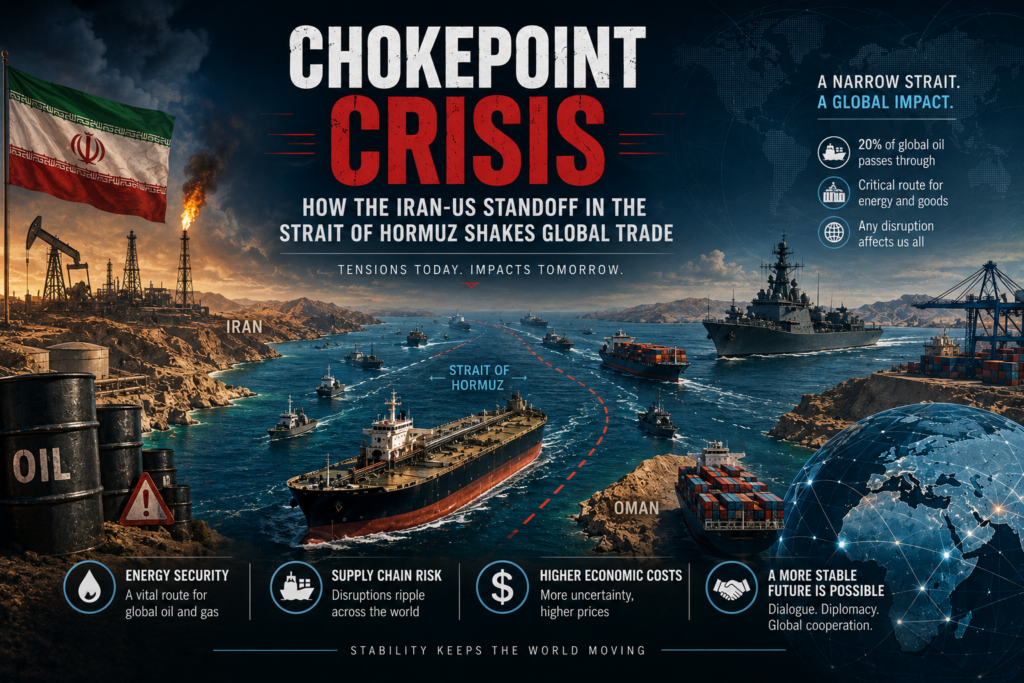
These persistent maritime disruptions highlight an urgent need for constructive governance over critical international waterways. Sustainable global commerce and reliable energy supply chains cannot flourish without secure and peaceful ocean passages. This challenge directly aligns with SDG 14 (Life Below Water), which advocates for the sustainable management, protection, and peaceful utilization of oceans, seas, and marine resources. While SDG 14 often brings marine conservation to mind, its broader mandate stresses that lawful, safe, and stable ocean navigation is indispensable for international trade, peaceful cooperation, and sustainable economic growth. When conflict jeopardizes international shipping lanes, global sustainable development suffers severe setbacks.
In conclusion, the ongoing standoff in the Strait of Hormuz demonstrates that aggressive military posturing ultimately creates systemic instability for all nations. Achieving lasting maritime security requires shifting away from zero-sum hostility toward diplomatic engagement and multilateral security arrangements. Safeguarding critical ocean passages like the Strait of Hormuz ensures that the global economy remains resilient while fulfilling the vision of peaceful ocean governance embodied in our shared sustainable development goals.
Reference:
DOI: https://doi.org/10.63280/jpsd.v1i1.42245
Contact:
Prof. Dwia Aries Tina Pulubuhu
+62 87856272912 (PCD-RG)
dwiatn@unhas.ac.id