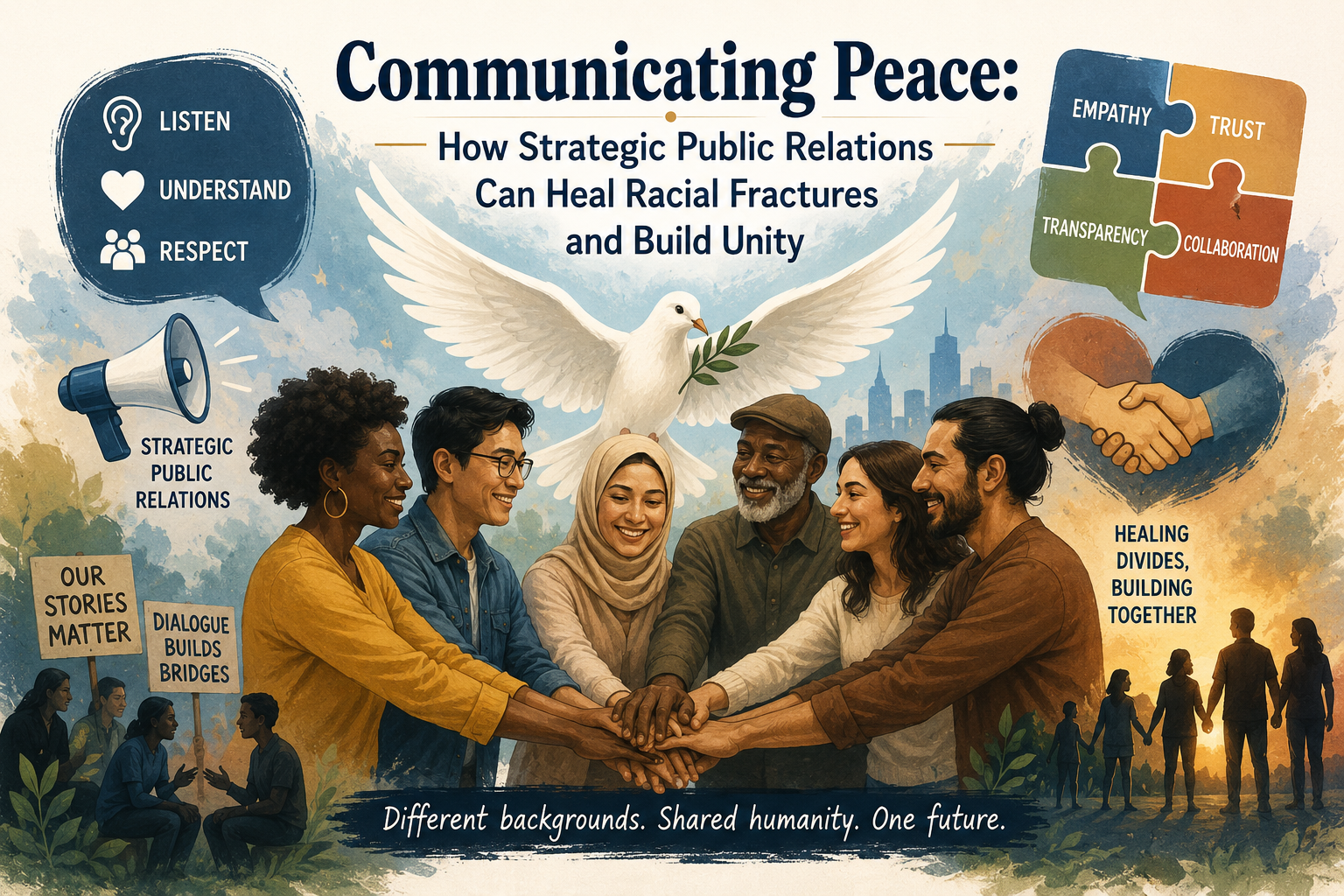

Makassar/Indonesia/25-01-2025/PCD-RG, In an increasingly interconnected world, handling social tensions requires more than just security measures; it demands clear, strategic, and empathetic public communication. Racial discrimination and ethnic friction can rapidly destabilize local communities if not addressed with care. A vivid example of this dynamic occurred during the 2019 racial conflict involving Papuan students in Surabaya, Indonesia. When miscommunication and racial slurs sparked widespread outrage, public institutions faced an unprecedented challenge in maintaining public trust, restoring order, and protecting fundamental human rights.
Understanding how governments navigate such high-stakes situations provides critical lessons for public media communication experts. A comprehensive academic study titled “Strategy for Resolution of Racism Conflict against Papuan Students in Surabaya (2019) with a Crisis Communication Approach by the Governments of Papua, East Java, and Indonesia” offers valuable insights into these mechanics. Published on January 25, 2025, in the Pakistan Journal of Life & Social Sciences by The Elite Scientific Forum, Pakistan, this research analyzes how multi-level governance and crisis communication frameworks were deployed to address the crisis.
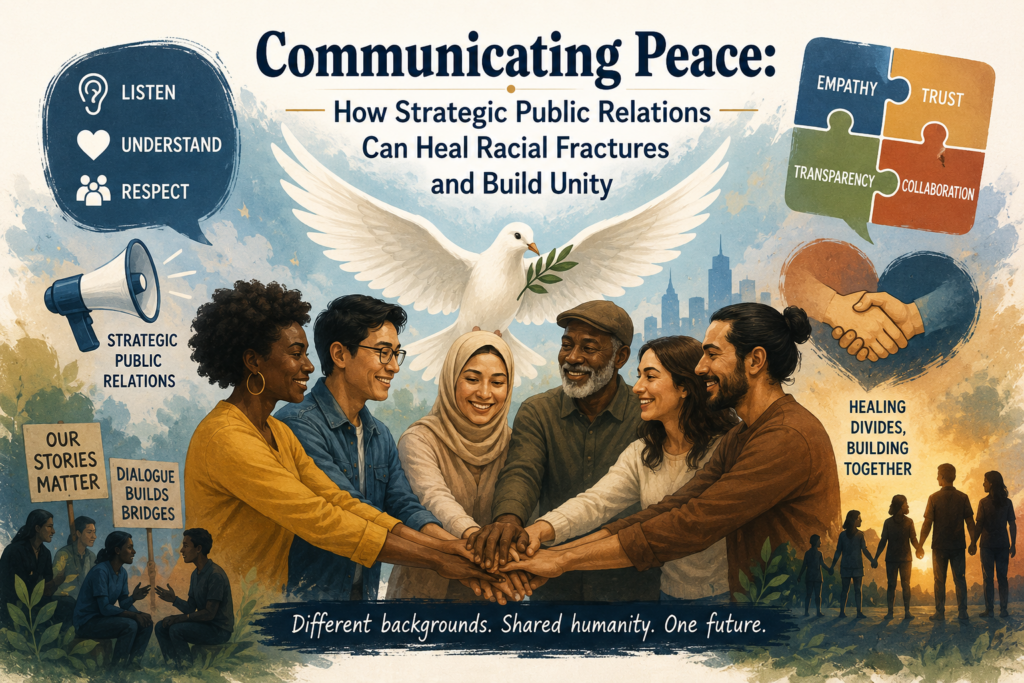
Using a literature study method, the researchers examined how the central government, the provincial government of East Java, and the Papua regional authority collaborated during the emergency. In times of extreme tension, false rumors and incendiary content can amplify violence faster than factual updates can arrive. To mitigate this digital threat, authorities implemented temporary internet throttling in targeted conflict zones. While internet restrictions often raise debates regarding information flow, the strategic intent was to curb provocative hoaxes and slow down the rapid viral spread of misinformation while calm was being restored.
Equally important was the multi-agency coordination between local administrations and regional police forces to reinforce safety across Papua and East Java. By publicly committing to strict legal action against perpetrators of racism, government officials aimed to reassure affected communities that justice and human rights would be upheld. This public accountability formed the bedrock of their crisis resolution strategy.
Crucially, resolving complex social crises aligns directly with global sustainability frameworks. Effective crisis management and inclusive dialogue contribute directly to Sustainable Development Goal 17: Partnerships for the Goals. By fostering cross-regional collaboration among different government bodies, community leaders, and civil society, strategic crisis communication helps build resilient public networks capable of resolving deep-seated grievances peacefully.
Ultimately, managing racial tension is an ongoing public responsibility. Communication strategies must evolve from merely managing immediate crises to proactively eliminating systemic prejudice. By combining open dialogue, legal justice, responsible digital management, and inter-governmental cooperation, societies can transform painful conflicts into opportunities for enduring harmony. The lessons from Surabaya highlight that effective public communication is not just a tool for crisis management, but a vital bridge toward an inclusive, unified, and equitable society free from discrimination.
Reference:
DOI: Https://doi.org/10.57239/PJLSS-2025-23.1.00433
Contact:
Prof. Dwia Aries Tina Pulubuhu
+62 87856272912 (PCD-RG)
dwiatn@unhas.ac.id