
Makassar, Indonesia. May 6, 2026 | BiMin – When we think about X-rays, we often picture hospitals, diagnostics, and life-saving medical decisions. But behind every X-ray procedure lies an important question: how do we protect both patients and medical workers from repeated radiation exposure—without harming the environment?
A recent study offers a fresh and promising answer. The article titled “Geopolymer Cellulose-Based Composite Black Carbon (BC)/Fe/Cu/Polyvinyl Alcohol for Eco-Friendly Apron X-Ray” presents an innovative material designed as a safer, more sustainable alternative to conventional X-ray shielding aprons.
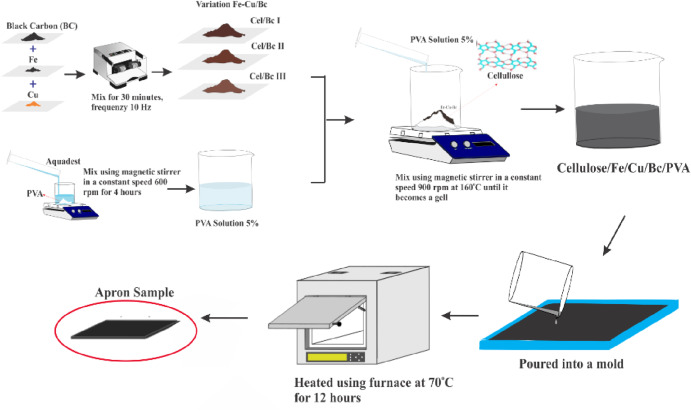
Traditionally, X-ray aprons are made using lead. While effective at blocking radiation, lead is heavy, toxic, and environmentally problematic. Disposal of lead-based materials can contaminate soil and water, posing long-term risks. This is where the new research steps in—with a smarter, greener solution.
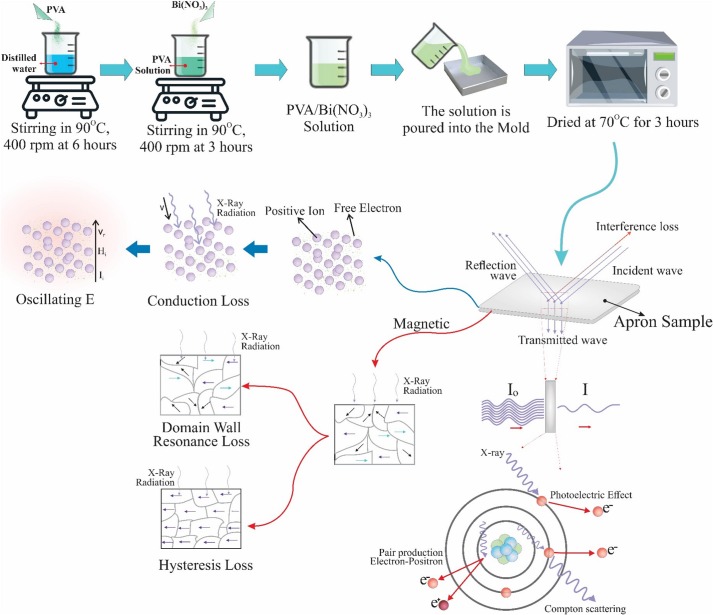
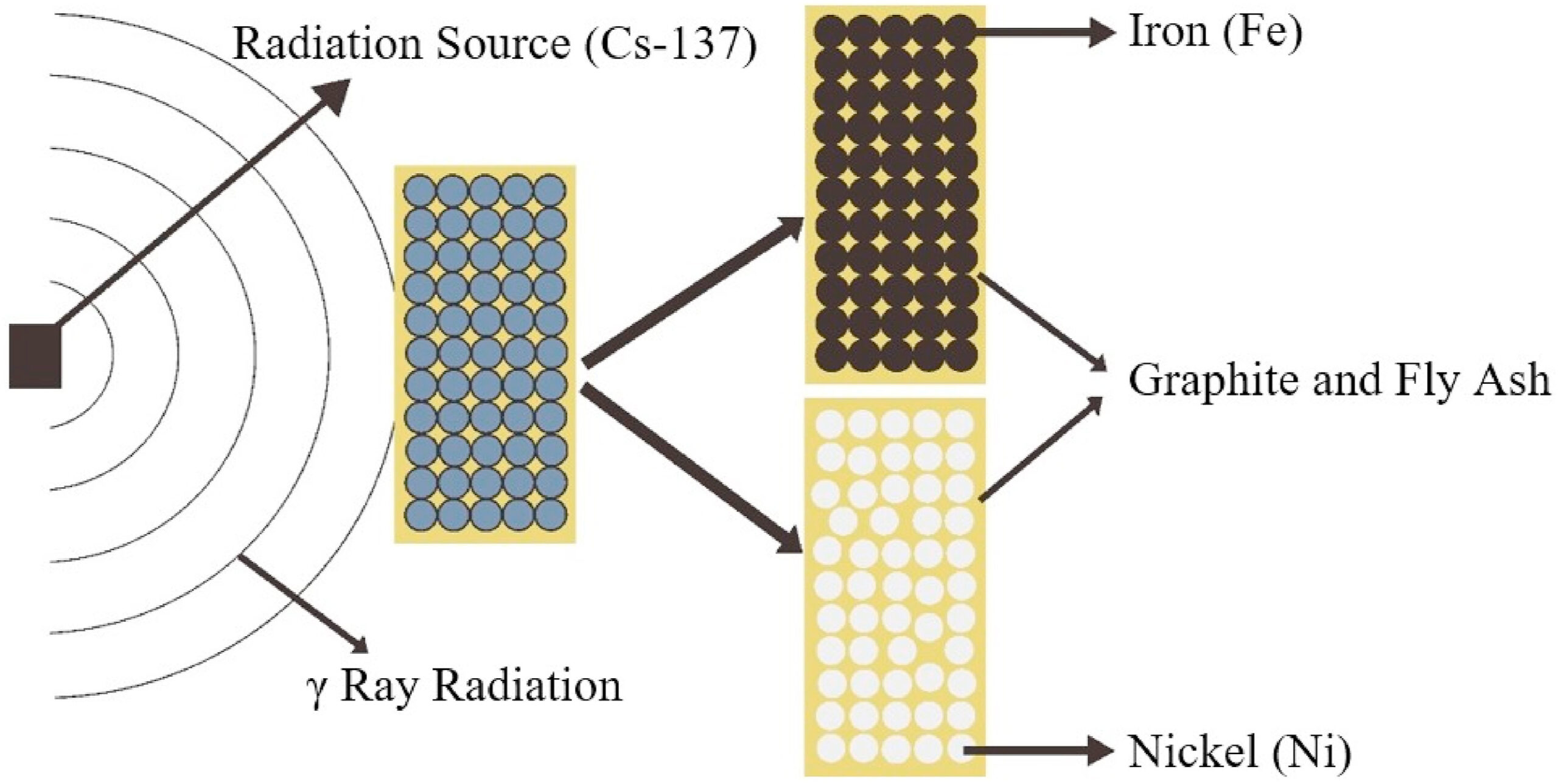
The scientists developed a composite material that combines geopolymer, cellulose, black carbon (BC), iron (Fe), copper (Cu), and polyvinyl alcohol (PVA). That may sound complex, but the idea is simple: combine natural and engineered components to create a lightweight, flexible, and radiation-absorbing material.
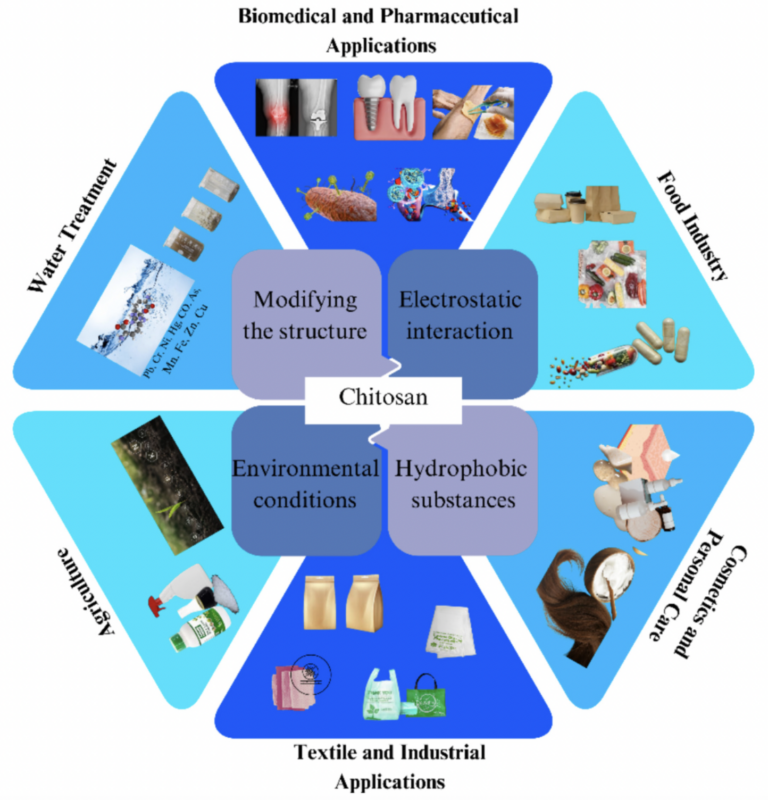
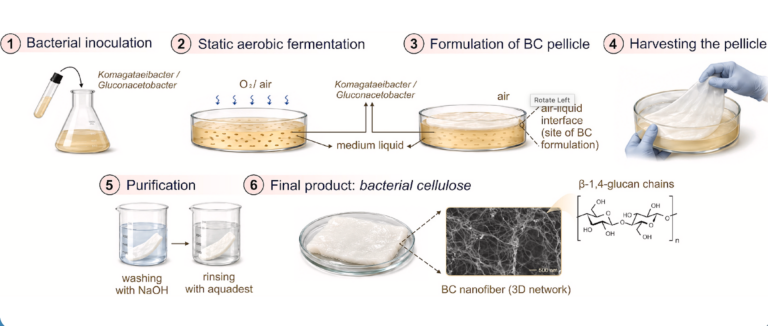
Cellulose, derived from plant biomass, provides a biodegradable and renewable base. Geopolymer contributes mechanical strength and thermal stability. Meanwhile, black carbon and metal particles like iron and copper play a crucial role in absorbing X-ray radiation. Polyvinyl alcohol helps bind everything together into a durable, wearable form.
The result? A composite that can effectively reduce X-ray exposure while being significantly more eco-friendly than traditional lead aprons.
What makes this innovation stand out is not just its performance, but its broader impact. This research strongly supports Sustainable Development Goal (SDG) 3: Good Health and Well-being. Additionally, it aligns with SDG 9: Industry, Innovation, and Infrastructure, as it promotes the development of advanced, efficient materials that can be integrated into modern technology systems. By offering safer protective equipment, it helps reduce long-term radiation risks for healthcare workers and patients alike. At the same time, it aligns with SDG 12: Responsible Consumption and Production, as it promotes the use of sustainable, less toxic materials in medical applications. Additionally, the use of biomass-based cellulose connects to SDG 15: Life on Land, emphasizing responsible use of natural resources. Equally significant is its contribution to SDG 17: Partnerships for the Goals. The Project was built on the foundation of collaboration, encouraging participants to move beyond institutional boundaries and work together toward shared research goals.
From a practical perspective, a lighter apron means greater comfort. Medical professionals who wear protective gear for long hours often experience fatigue and strain. Replacing heavy lead with flexible composites could significantly improve working conditions in hospitals and clinics.
There’s also a bigger picture here. Innovations like this show how material science can bridge the gap between healthcare needs and environmental responsibility. Instead of choosing between safety and sustainability, we can design solutions that deliver both.
Reference : https://doi.org/10.1016/j.radphyschem.2023.110843
Contact:
Prof. Dahlang Tahir
+62 853-9418-8647
dtahir@fmipa.unhas.ac.id