

Broken bones can usually heal on their own, but large bone defects caused by severe injuries, infections, degenerative disease, or tumor removal are much harder to repair. In these cases, doctors may need materials that can temporarily support damaged tissue while helping new bone grow.
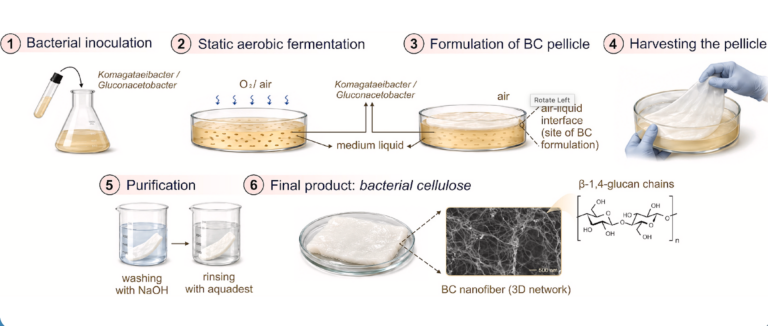
Imagine charging your smartphone in just a few seconds or storing renewable energy more efficiently using a material produced by harmless bacteria. While it may sound futuristic, scientists are already exploring this possibility through an extraordinary natural material called bacterial cellulose. Unlike conventional cellulose obtained from plants, bacterial cellulose is naturally pure, highly porous, and forms an interconnected network of ultrafine fibers, making it an ideal starting point for developing advanced energy storage materials.
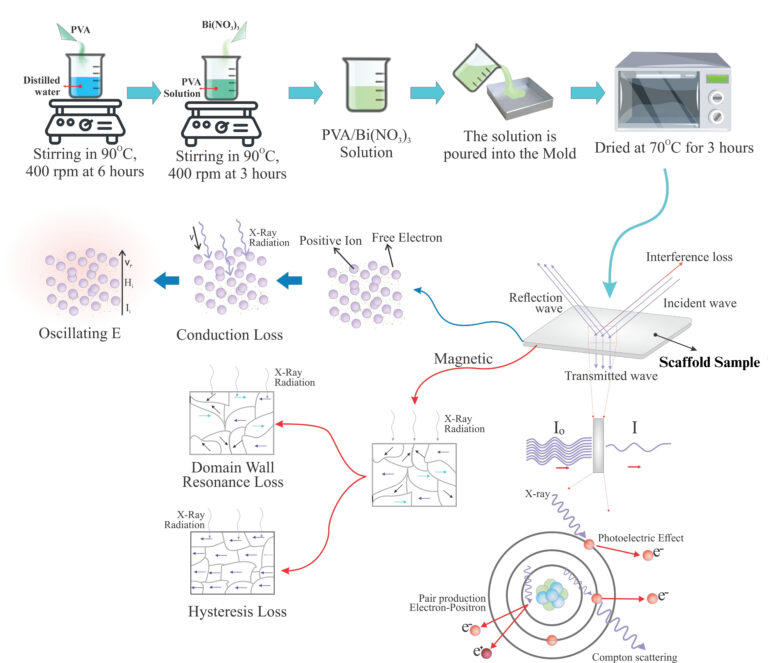
Every day, thousands of doctors, nurses, radiographers, and medical technicians work around X-ray machines to diagnose diseases and save lives. While X-rays are invaluable in modern healthcare, repeated exposure to radiation can pose health risks if proper protection is not used. For decades, heavy lead aprons have been the standard solution. They are effective, but they are also bulky, uncomfortable, and contain toxic materials that create environmental concerns.
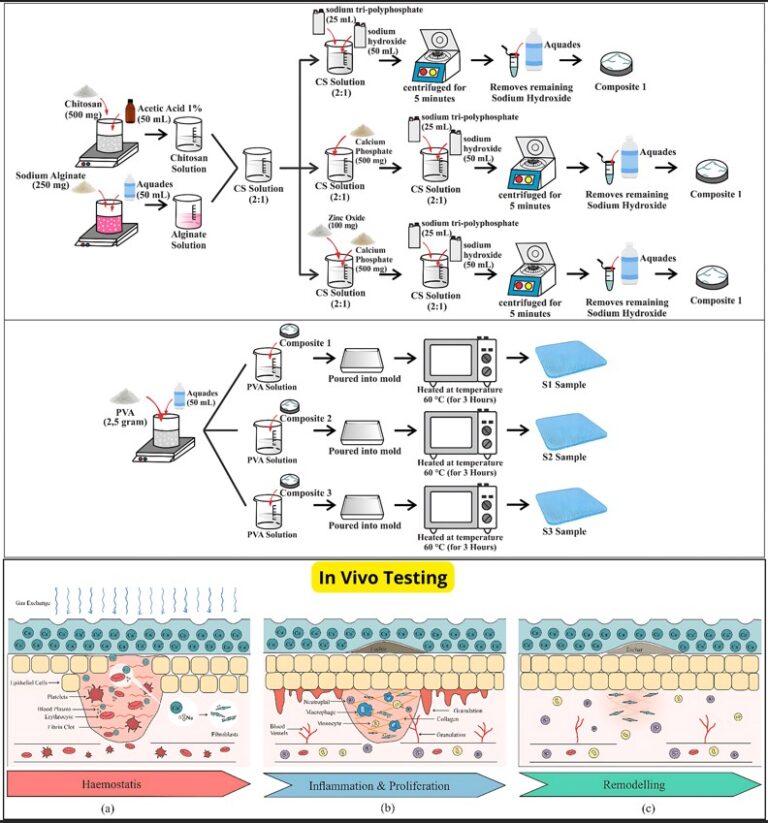
This project utilizes chitosan, alginate, and PVA-based bionanocomposites to develop scaffolds with in vivo wound healing capabilities, promoting hemostasis, inflammation regulation, and tissue remodeling while ensuring biocompatibility, biodegradability, and potential for advanced drug delivery applications.
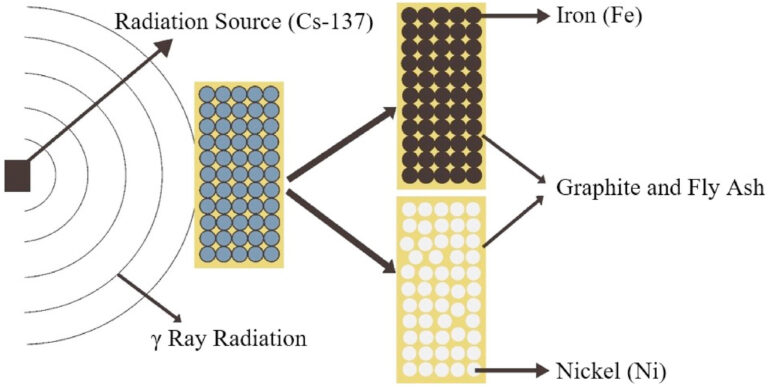
When we think about X-rays, we often picture hospitals, diagnostics, and life-saving medical decisions. But behind every X-ray procedure lies an important question: how do we protect both patients and medical workers from repeated radiation exposure without harming the environment?
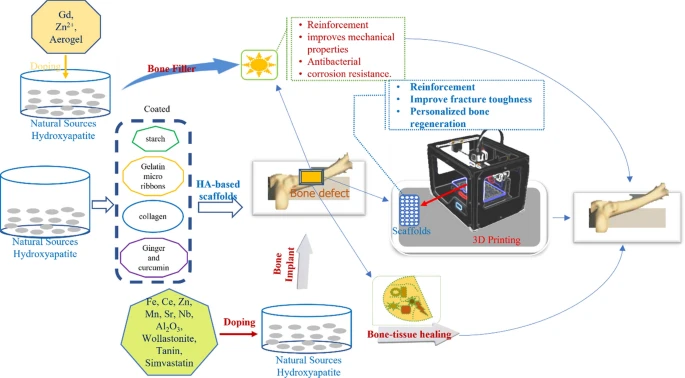
What if something as simple as fish bones often discarded as waste could help heal human bones? It may sound surprising, but recent scientific research is showing exactly that. By transforming fish bone waste into a valuable biomaterial, scientists are opening new doors in medicine while also supporting environmental sustainability.
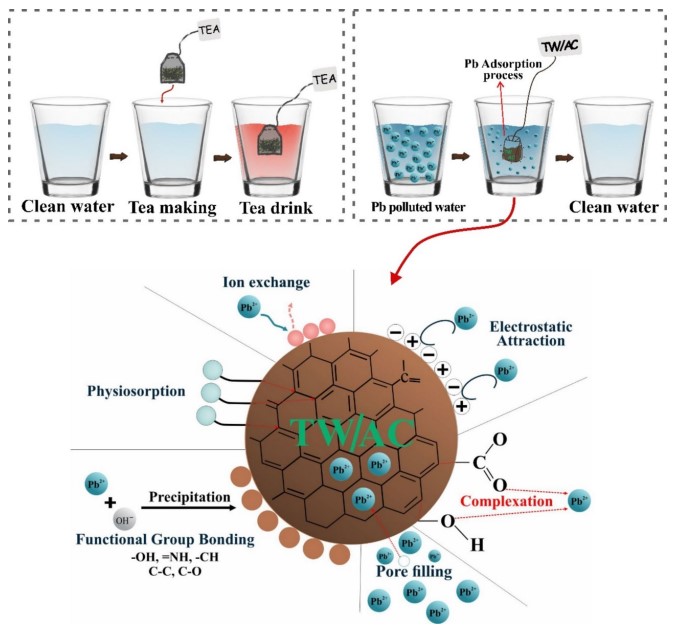
What if the tea you drink every morning could one day help clean polluted water? It may sound surprising, but researchers have discovered that used tea waste combined with activated carbon from bamboo fibers can become a powerful eco-friendly material for removing dangerous lead contamination from water. This innovation not only reduces waste but also opens new opportunities for sustainable environmental protection.
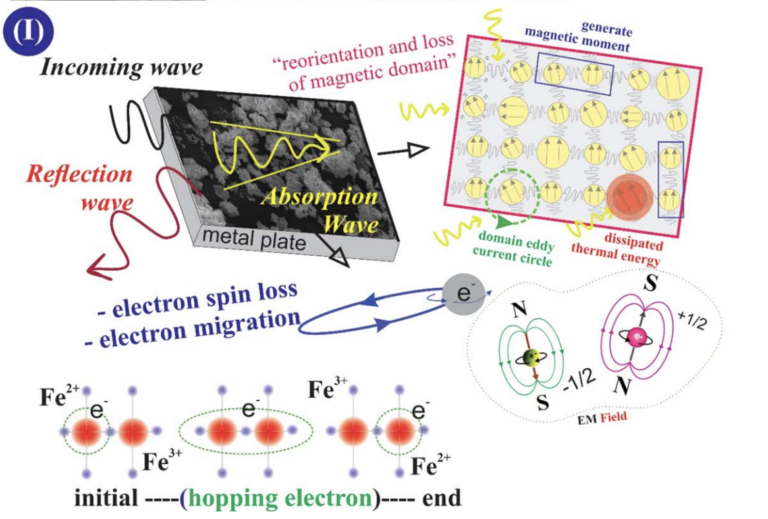
We live in a world surrounded by invisible signals. From smartphones to Wi-Fi routers, electromagnetic (EM) waves are constantly moving through the air. While these technologies make life easier, they also bring a growing concern: electromagnetic interference (EMI), which can affect both electronic systems and human health.
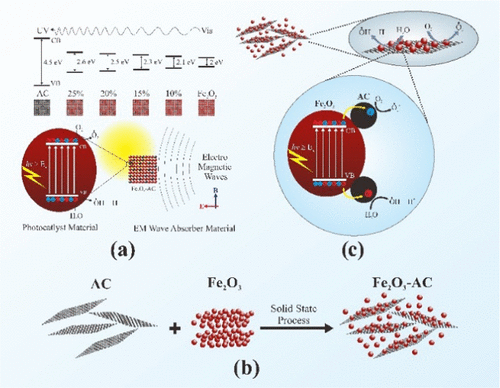
Imagine a material that can both clean polluted water and protect us from invisible electromagnetic radiation. Sounds futuristic, right? Yet, recent scientific research shows that this is not only possible but already happening.