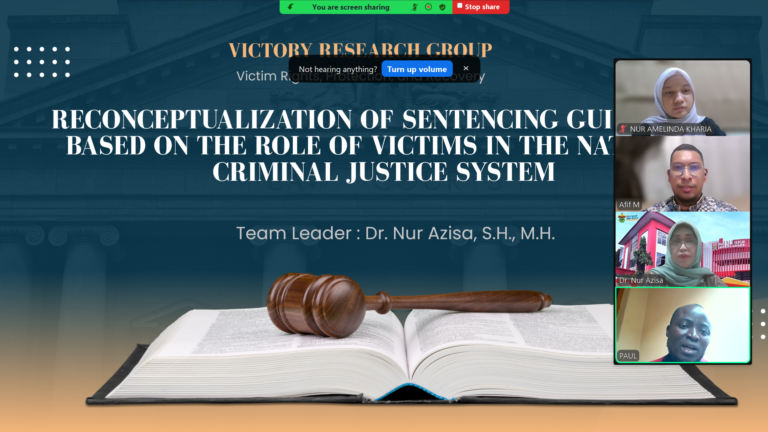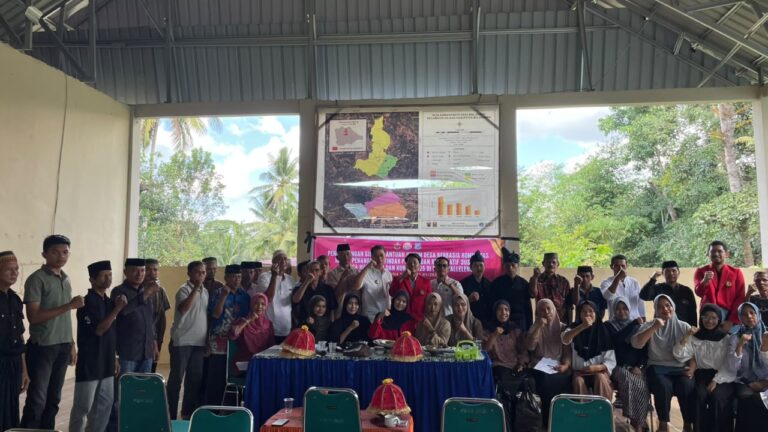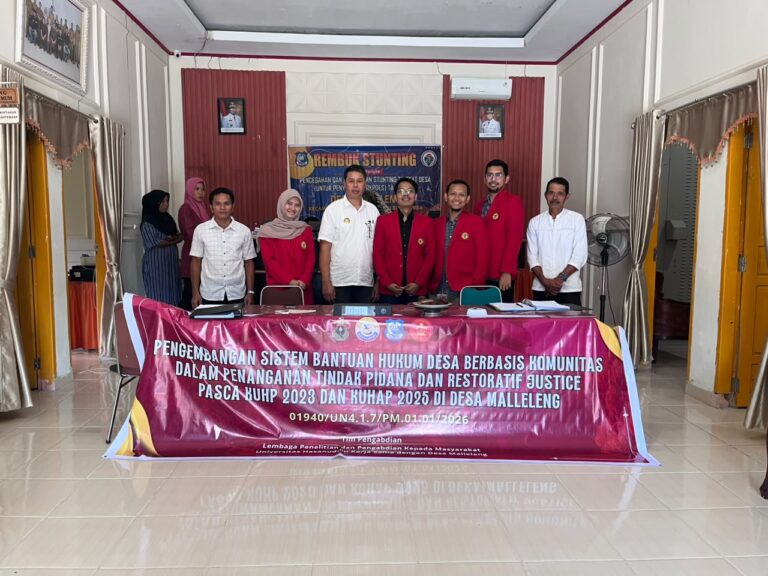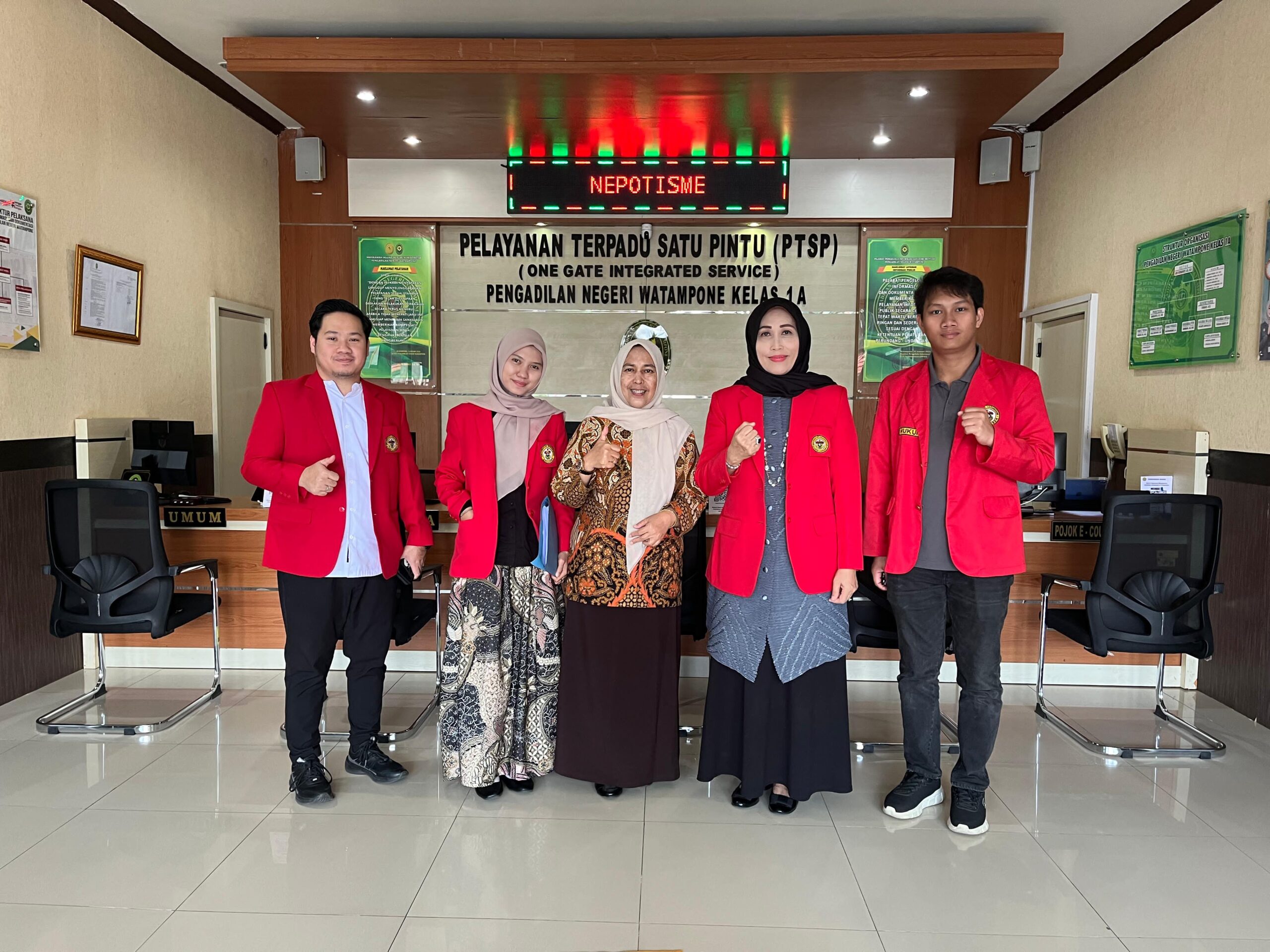

On 24 April 2026, the TRG Victory Research Group conducted a field research activity in Bone Regency to collect data on the role of victims in the occurrence of criminal offenses. The study was carried out at Polres Bone, Pengadilan Negeri Watampone, and Kejaksaan Negeri Bone, with the participation of 1 investigator from Polres Bone, 3 judges from Pengadilan Negeri Watampone, and 1 head of the general criminal division (Kasi Pidum) from Kejaksaan Negeri Bone. The activity was led by Dr. Nur Azisa, S.H., M.H. as the head of the research team, together with team members Dr. Audyna Mayasari Muin, S.H., M.H., CLA., M. Aris Munandar, S.H., M.H., Ismail Iskandar, S.H., M.H., and Afif Muhni, S.H., M.H.. The research also involved international partners, namely Associate Prof. Aspalella A. Rahman from Universiti Utara Malaysia and Paul Atagamen Aidonojie, LL.B., B.L., LL.M., Ph.D. from Kampala International University. In addition, the implementation of the study included student participation from Andi Dewi Pratiwi, S.H., M.H., Ardiansah Akbar, S.H., M.H., and Nur Amelinda Kharia.
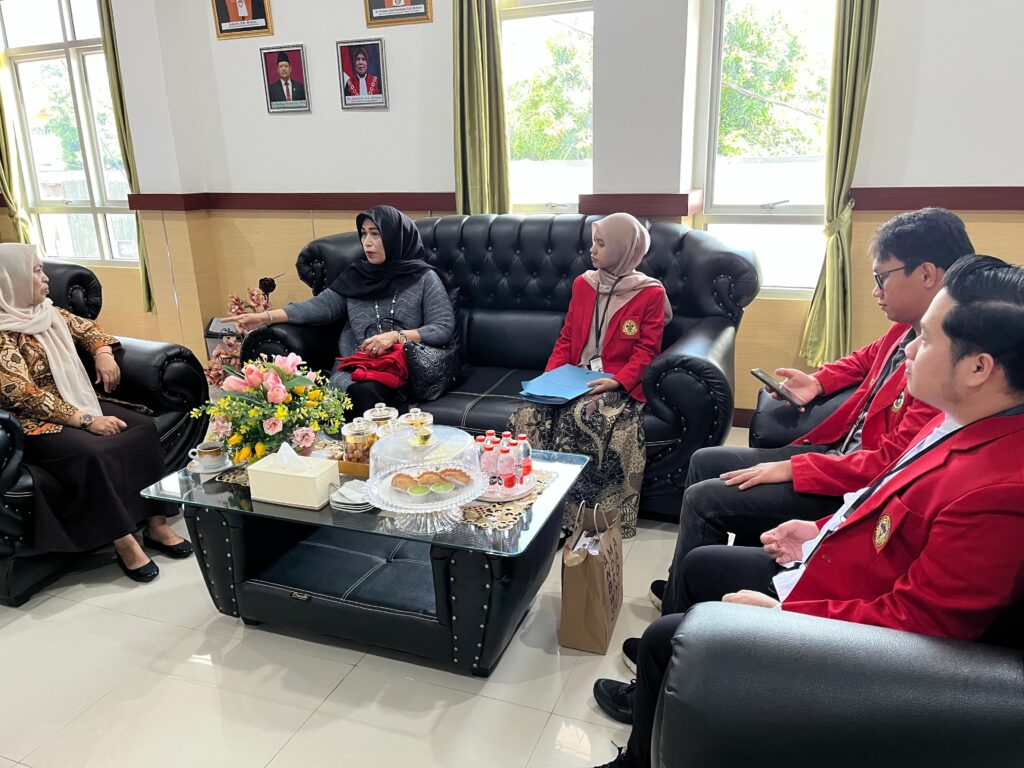
This research was designed to deepen understanding of how victims may contribute, directly or indirectly, to the conditions that precede criminal acts, while still maintaining the fundamental principle that victimization does not reduce the responsibility of offenders. By engaging law enforcement, judicial, and prosecutorial institutions, the team sought to obtain a more balanced and evidence-based perspective on victimology, case handling, and preventive legal measures. The collected information is expected to support academic analysis, strengthen institutional reflection, and enrich policy discussions related to criminal justice.
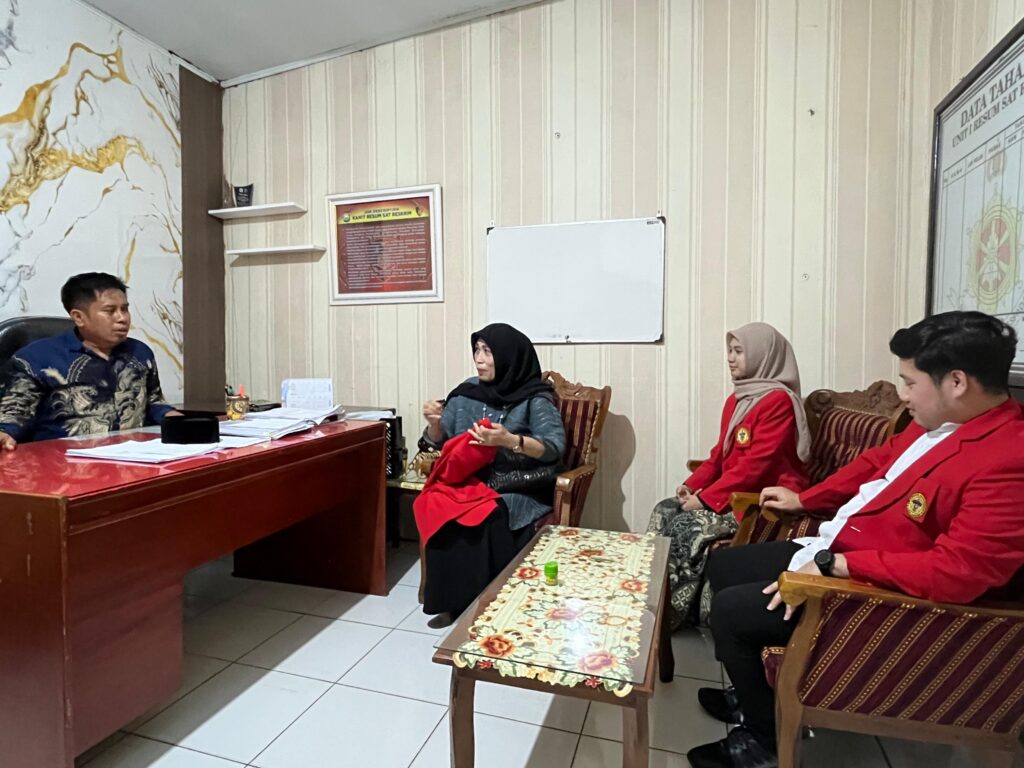
The activity is closely aligned with SDG 1 (No Poverty), SDG 4 (Quality Education), SDG 16 (Peace, Justice and Strong Institutions), and SDG 17 (Partnerships for the Goals). Its relevance to SDG 1 lies in the recognition that social vulnerability and limited access to resources can increase exposure to crime. Its connection to SDG 4 is reflected in the educational value of research-based inquiry, which strengthens critical thinking and the transfer of knowledge between academics, practitioners, and students. Most importantly, the activity directly supports SDG 16 by promoting a more just, reflective, and evidence-informed criminal justice system. It also advances SDG 17 through collaboration among universities, government institutions, and international partners, demonstrating that complex social problems require shared solutions.
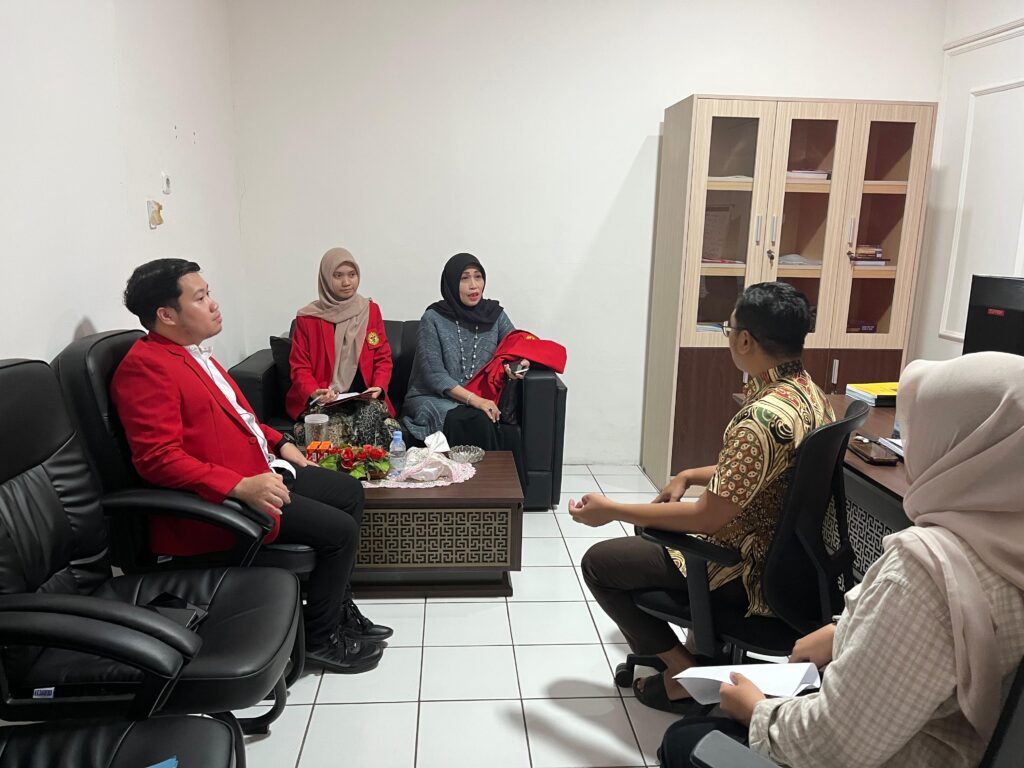
Through this research, the TRG Victory Research Group reaffirms its commitment to producing knowledge that is not only scientifically sound, but also socially meaningful. The findings are expected to contribute to a broader understanding of victim roles in criminal events and to support strategies for prevention, justice, and community resilience in Bone Regency and beyond. The initiative also reflects a sustained effort to bridge theory and practice in contemporary legal research.