


Shallots may look small on the kitchen table, but behind every bulb lies a major challenge for farmers: how to produce healthy, uniform, and affordable planting material. In many shallot-growing areas, farmers commonly use bulbs as seed. This method is familiar, but it can be costly, bulky to transport, and risky because diseases may be...
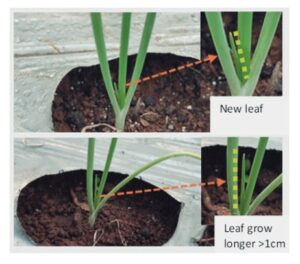
For many farmers, the success of a shallot crop begins long before harvest. It begins with a tiny seedling being moved from the nursery to the field. This step may look simple, but it is one of the most stressful moments in a plant’s life. After transplanting, shallot seedlings can suffer from “transplant shock,” a...
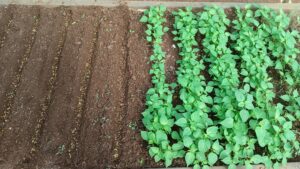
Potato is one of the world’s most important food crops after rice and wheat. It is rich in carbohydrates, calories, minerals, and vitamins, making it valuable not only as a vegetable but also as a potential staple food. In Indonesia, potato farming supports many highland communities. However, one major problem remains: farmers often struggle to...
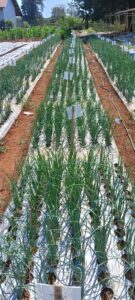
For many shallot farmers, the next harvest begins not in the field, but in storage. After harvest, shallot bulbs cannot always be planted immediately because they enter a natural resting phase known as dormancy. During this period, the bulb looks alive but is not yet ready to grow. If planted too early, it may sprout...
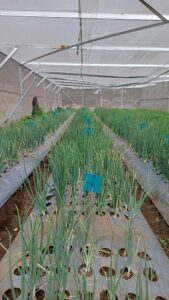
Shallots are more than just a kitchen ingredient. In Indonesia, they are an important horticultural crop that supports household cooking, food businesses, and farmer income. However, shallot production often faces one basic problem: not all seeds germinate well. When seeds germinate slowly or unevenly, farmers may get weak seedlings, delayed planting, and lower crop performance...

Shallots are an everyday ingredient in Indonesian kitchens, but producing them is not always simple. One of the biggest challenges in shallot farming is the supply of healthy planting material. Many farmers still use bulbs from previous harvests. This method is familiar, but it has weaknesses. Bulbs can carry diseases, lose quality after repeated use...

Chili is more than a spicy ingredient. In many Indonesian households, especially in Gorontalo, local chili is part of daily food culture, farmer livelihoods, and regional identity. Behind its strong flavor, however, lies an important agricultural question: which local chili genotypes should be developed, and when should fruits be harvested for the best seed quality?...

Shallots are a daily need in many Indonesian kitchens, but producing them is not always easy. One of the biggest challenges for farmers is obtaining good planting material. Traditionally, shallots are planted using bulbs, but this method can be costly, bulky, and risky because bulbs may carry diseases. True shallot seed offers another option. It...

A good melon harvest does not begin when fruits appear. It begins much earlier, in the nursery, when a small seed becomes a seedling. At this stage, the growing medium is more than just something that holds the plant upright. It supplies water, air, nutrients, and space for roots to grow. If the medium is...