MAKASSAR, Indonesia May 13 2026 /TERMITE/- Trees are an essential part of urban environments. They provide shade, improve air quality, reduce heat, and create healthier living spaces for communities. Among the many tree species planted in cities and educational areas, mahogany (Swietenia macrophylla King.) is widely valued for its strong wood, environmental benefits, and aesthetic appearance. However, like many other plants, mahogany trees are vulnerable to biological threats, especially fungal infections that can affect their health and survival.
This issue was explored in the scientific article article “Keragaman Jenis Jamur Yang Menyerang Tanaman Mahoni (Swietenia macrophylla King.) Di Kampus Universitas Hasanuddin Makassar, Sulawesi Selatan”, published in Jurnal Perennial by Jurnal Perennial in 2018. The research focused on identifying the diversity of fungal species attacking mahogany trees within the Hasanuddin University campus area in Makassar, South Sulawesi.
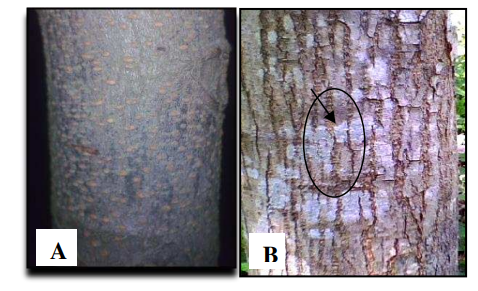
The study revealed that several fungal species were associated with disease symptoms on mahogany trees. These fungi attacked different parts of the plants and had the potential to weaken tree health over time. Environmental conditions such as humidity, temperature, and poor plant maintenance may contribute to fungal growth and disease spread. Although fungi are naturally present in ecosystems, certain species can become harmful when environmental balance is disturbed.
This research is closely related to SDG 15: Life on Land, one of the Sustainable Development Goals established by the United Nations. SDG 15 emphasizes the importance of protecting terrestrial ecosystems, conserving biodiversity, and promoting sustainable management of natural resources. Healthy trees are essential for maintaining urban biodiversity and ecological balance, especially in educational and public spaces.

Urban trees like mahogany provide many environmental benefits. They absorb carbon dioxide, produce oxygen, reduce air pollution, and help lower temperatures in crowded city environments. However, fungal diseases can reduce tree productivity, weaken structural stability, and increase the risk of tree decline. Therefore, understanding fungal diversity is important for improving plant health management and urban environmental sustainability.
The findings from this study also highlight the importance of regular monitoring and scientific research in maintaining green spaces. By identifying fungal species early, researchers and environmental managers can develop better strategies to prevent disease outbreaks and protect urban vegetation. This approach supports sustainable environmental management while reducing the loss of valuable trees.
In addition, the research reminds society that microorganisms, although often invisible, have significant impacts on ecosystems. Some fungi play positive roles as decomposers that recycle nutrients in nature, while others can become plant pathogens under certain conditions. Understanding these interactions is essential for maintaining ecological balance.
Contact:
Prof. Dr. Ir. Astuti Arif, S.Hut., M.Si., IPU.
+62 811-442-171
astuti_arif@unhas.ac.id