


MAKASSAR, Indonesia May 13 2026 /TERMITE/- Termites are among the most destructive pests in tropical regions. Every year, termite attacks cause serious damage to wooden houses, buildings, furniture, and agricultural areas, leading to significant economic losses for communities. One of the most harmful termite groups is Coptotermes sp., a species well known for its ability to destroy wooden structures quickly and silently. Traditionally, termite control has relied heavily on chemical pesticides. However, excessive chemical use can create environmental pollution, threaten human health, and damage ecosystems.
A more environmentally friendly solution was explored in the scientific article “Produksi Umpan Rayap Dari Limbah Bahan Organik Dan Efektivitasnya Dalam Pengendalian Serangan Coptotermes sp.”, published in Jurnal Perennial by Jurnal Perennial in 2018. The study investigated the production of termite bait made from organic waste materials and evaluated its effectiveness in controlling termite attacks.
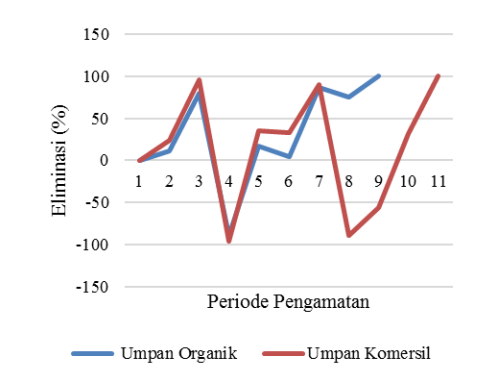
The research showed that organic waste can be transformed into bait products capable of attracting termites and helping reduce termite populations. This approach is important because it combines waste management with environmentally friendly pest control strategies. Instead of relying entirely on synthetic chemicals, researchers explored the potential of natural materials that are safer for ecosystems and human health.
This study is closely related to SDG 12: Responsible Consumption and Production, one of the Sustainable Development Goals established by the United Nations. SDG 12 emphasizes sustainable resource management, waste reduction, and environmentally responsible production systems. Utilizing organic waste for termite bait production supports recycling efforts while reducing environmental pollution caused by unmanaged waste.
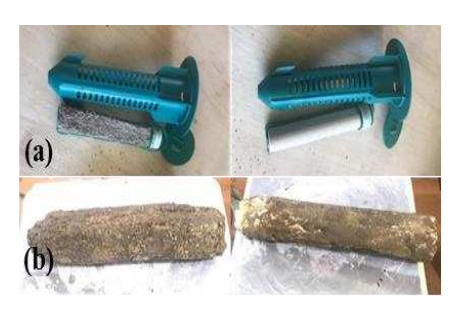
Organic waste is often viewed as useless material that contributes to environmental problems. In reality, many organic residues still contain valuable components that can be reused for beneficial purposes. By converting waste into useful products, society can reduce waste accumulation and support circular economy practices, where materials are reused rather than discarded.
The research also highlights the importance of sustainable pest management. Chemical pesticides may provide quick results, but their long-term impacts can harm soil quality, water systems, non-target organisms, and human health. Environmentally friendly alternatives such as organic termite bait offer safer and more sustainable solutions for pest control. In addition, the study demonstrates how scientific innovation can address multiple environmental challenges simultaneously. Through simple but creative approaches, researchers can transform waste materials into practical products with economic and ecological value. Such innovations are especially important in tropical
Contact:
Prof. Dr. Ir. Astuti Arif, S.Hut., M.Si., IPU.
+62 811-442-171
astuti_arif@unhas.ac.id


