


MAKASSAR, Indonesia May 12 2026 /TERMITE/- Forests are among the most valuable natural resources on Earth. They provide oxygen, regulate climate, protect biodiversity, and support millions of people who depend on forest products for their livelihoods. However, the strength of a forest does not only come from the number of trees it contains. One of the most important factors behind healthy forests is genetic diversity, the natural variation found within plant species that allows them to adapt, survive, and grow under changing environmental conditions.
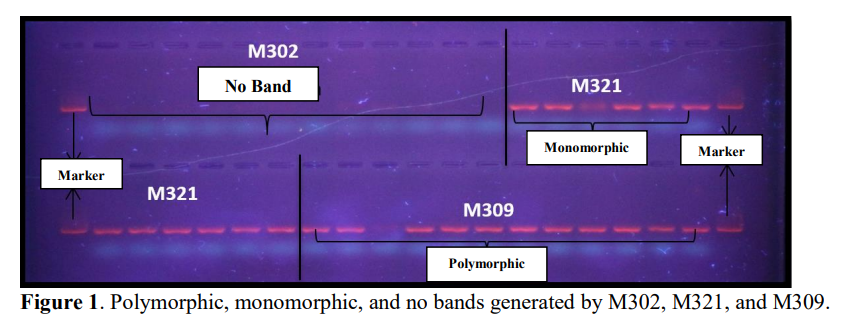
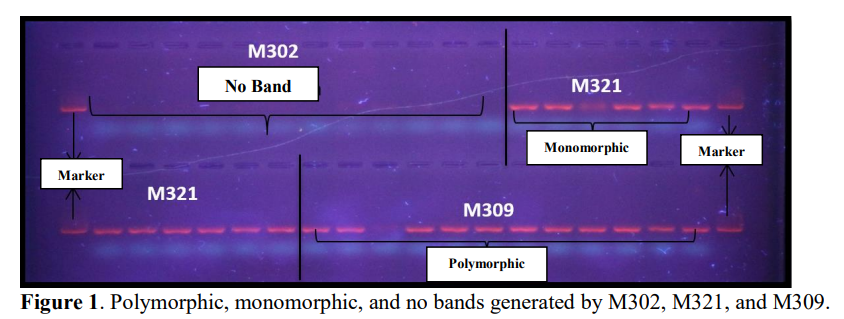
This important topic was explored in the scientific article “A Genetic Diversity on Jabon Merah (Anthocephalus macrophyllus Roxb.) from Three Different Provenances in South Sulawesi”, published in The 1st Biennial Conference on Tropical Biodiversity by IOP Publishing in 2019. The study focused on examining the genetic diversity of Jabon Merah trees collected from three different regions in South Sulawesi, Indonesia.
Jabon Merah is widely known as a fast-growing tropical tree species with high economic value. The species is commonly used for timber production, reforestation programs, and forest rehabilitation projects. Because of its rapid growth and adaptability, Jabon Merah is considered an important species for supporting sustainable forestry development in Indonesia. However, maintaining strong genetic diversity within tree populations is essential to ensure the species remains resilient against environmental challenges.
The study revealed that Jabon Merah populations from different provenances possess varying levels of genetic diversity. These genetic differences influence tree growth, adaptability, resistance to disease, and long-term survival. The findings are important because forests with higher genetic diversity are generally more stable and better able to adapt to climate change, pests, and environmental stress.
This research is strongly related to SDG 15: Life on Land, one of the Sustainable Development Goals established by the United Nations. SDG 15 focuses on protecting terrestrial ecosystems, conserving biodiversity, and promoting sustainable forest management. Genetic diversity is a fundamental part of biodiversity because it helps species maintain healthy populations and adapt to future environmental changes.
Without sufficient genetic variation, tree populations become more vulnerable to diseases, extreme weather, and habitat disturbances. In the long term, low genetic diversity can reduce forest productivity and weaken ecosystem resilience. Therefore, studies on forest genetics play an important role in conservation planning and sustainable forestry management.
The research also highlights the importance of science in protecting natural resources. By understanding the genetic characteristics of tree species like Jabon Merah, scientists and forest managers can develop better strategies for reforestation, seed selection, and biodiversity conservation. Such scientific knowledge supports both environmental sustainability and economic development.
In addition, this study reminds society that forests are more than just sources of timber. They are living ecosystems with complex biological systems that must be carefully protected. Preserving genetic diversity today means securing healthier forests for future generations.
The publication of “A Genetic Diversity on Jabon Merah (Anthocephalus macrophyllus Roxb.) from Three Different Provenances in South Sulawesi” demonstrates how scientific research contributes to biodiversity conservation and sustainable forest management. Ultimately, protecting genetic diversity is not only about saving trees. It is about preserving ecosystems, supporting sustainable development, and advancing the mission of SDG 15: Life on Land for a more resilient and sustainable future
Reference:
doi:10.1088/1755-1315/270/1/012003
Contact:
Prof. Dr. Ir. Astuti Arif, S.Hut., M.Si., IPU.
+62 811-442-171
astuti_arif@unhas.ac.id


