


Description
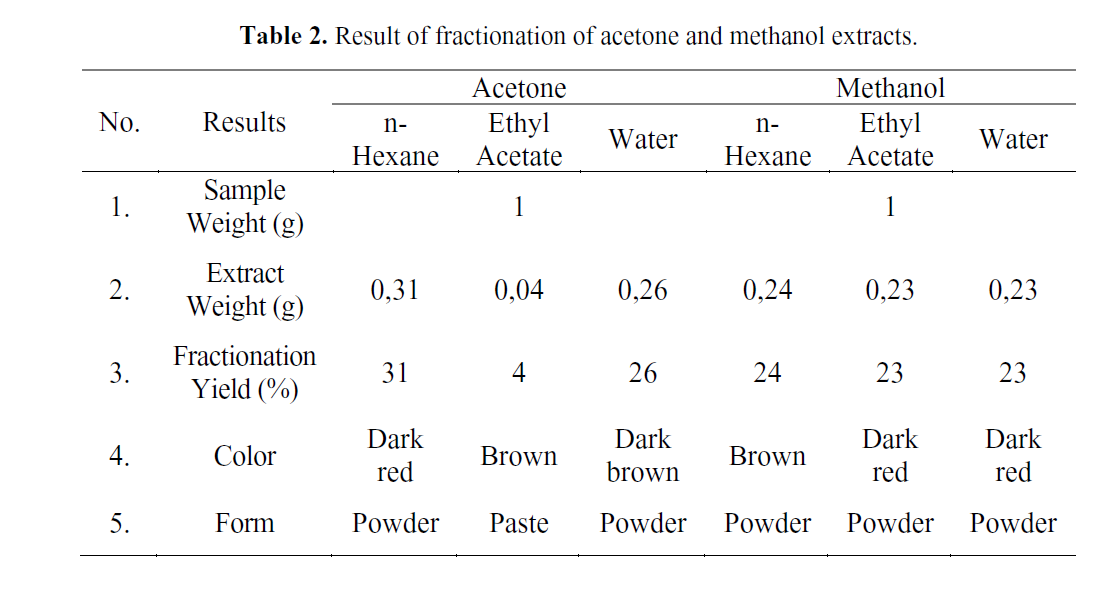
MAKASSAR, Indonesia May 11 2026 /TERMITE/- Forests are often called the lungs of the Earth, but they are also giant natural laboratories filled with countless chemical compounds that scientists are only beginning to understand. Many trees produce special substances known as secondary metabolites, natural compounds that help plants survive against insects, fungi, bacteria, and environmental stress. These compounds are increasingly attracting scientific attention because they may provide sustainable solutions for medicine, agriculture, and environmentally friendly industries.
Description
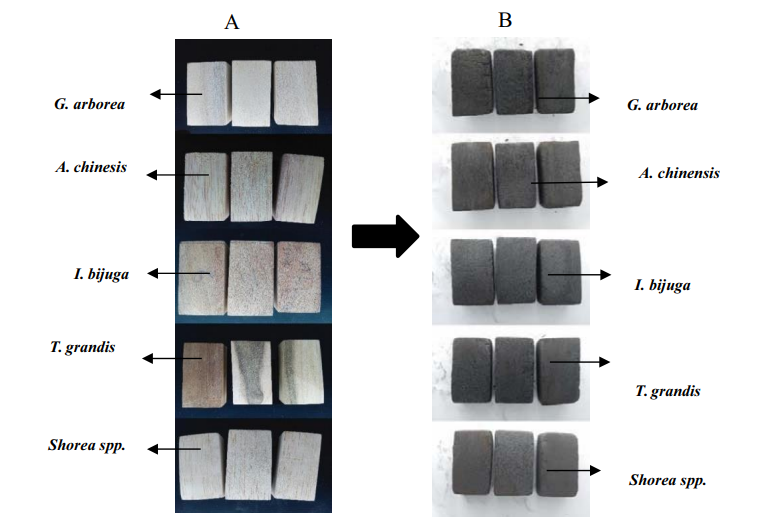
MAKASSAR, Indonesia May 11 2026 /TERMITE/- Wood has long been one of the most important natural materials used by humans. From traditional houses and furniture to bridges and boats, wood plays a major role in daily life, especially in tropical countries like Indonesia. However, wood also faces constant threats from biological organisms such as fungi, termites, and bacteria. Among these organisms, Schizophyllum commune is one of the fungi known to cause wood decay and structural deterioration. If left untreated, fungal attacks can reduce wood quality, shorten its lifespan, and increase economic losses.
Description
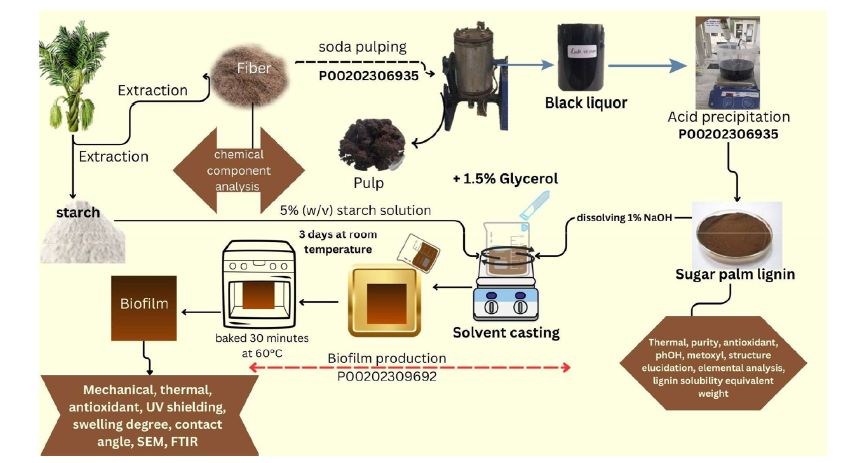
MAKASSAR, Indonesia May 11 2026 /TERMITE/- Plastic packaging has become part of everyday life. From food containers to shopping bags, modern society depends heavily on packaging materials for convenience and protection. Unfortunately, most conventional packaging is made from non-biodegradable plastic, which creates serious environmental problems. Plastic waste pollutes rivers, oceans, and soil, threatening ecosystems and human health worldwide. As global concern about environmental sustainability grows, scientists are searching for safer and more eco-friendly alternatives.
Description
MAKASSAR, Indonesia May 11 2026 /TERMITE/- Forests are not only home to trees and wildlife; they are also natural pharmacies filled with plants that contain valuable medicinal compounds. For centuries, people have used forest plants for traditional medicine, food preservation, and health treatments. Today, modern science continues to uncover the hidden potential of these natural resources. One promising example comes from the bark of Cinnamomum iners, a plant related to cinnamon, which has shown antifungal activity against harmful fungi.
Description
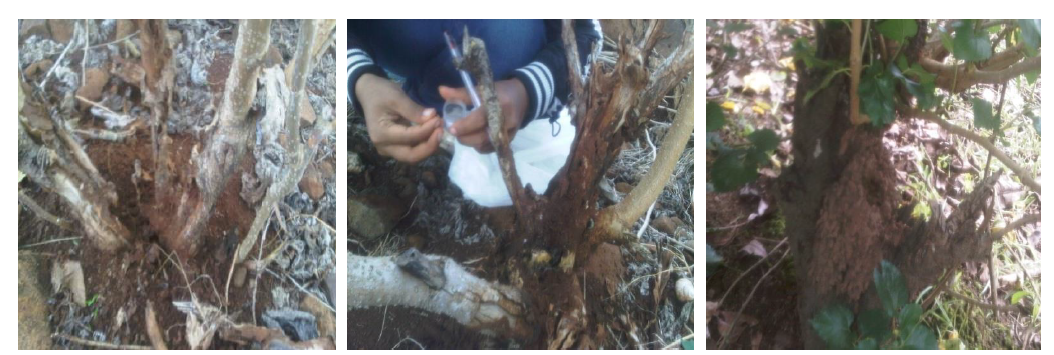
MAKASSAR, Indonesia May 11 2026 /TERMITE/-Mulberry plants may not receive as much public attention as other agricultural crops, but they play an important role in supporting ecosystems, livestock feed, traditional medicine, and silk production. In many regions, mulberry cultivation also contributes to local livelihoods and environmental sustainability. However, behind their economic and ecological value, mulberry plants face a hidden threat from one of nature’s smallest but most destructive insects: termites.
Description
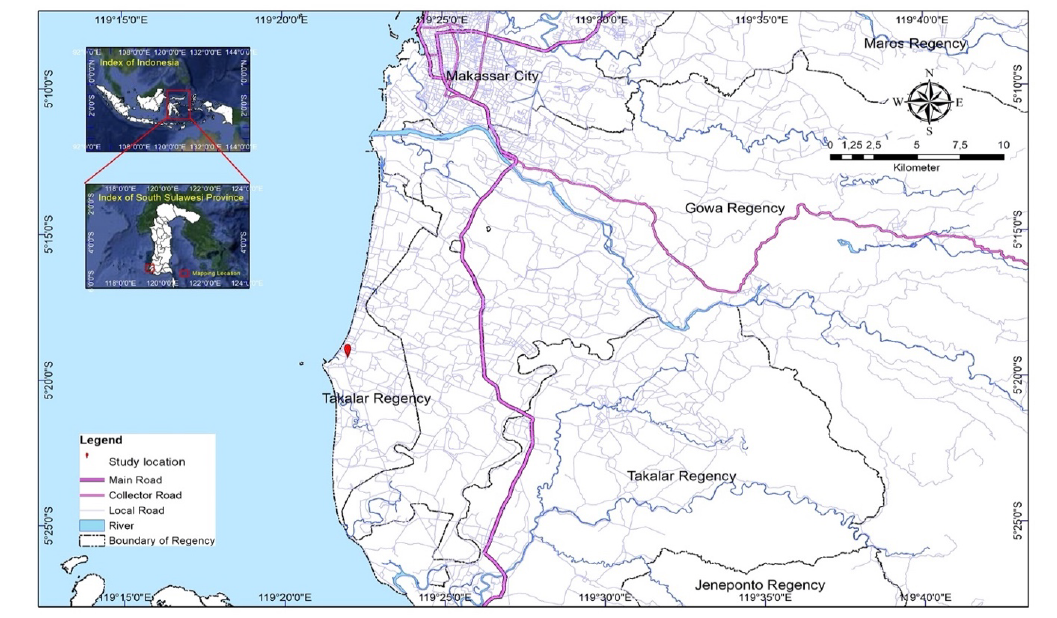
MAKASSAR, Indonesia May 11 2026 /TERMITE/-Indonesia is known for its rich cultural heritage, especially its traditional wooden architecture that reflects local wisdom and identity. One remarkable example is Balla Lompoa Ri Galesong, a historic traditional house in South Sulawesi that symbolizes the cultural values of the Makassar community. However, behind its beauty and historical importance, this heritage building faces a serious but often invisible threat: biological deterioration caused by termites, fungi, and other wood-destroying organisms.