

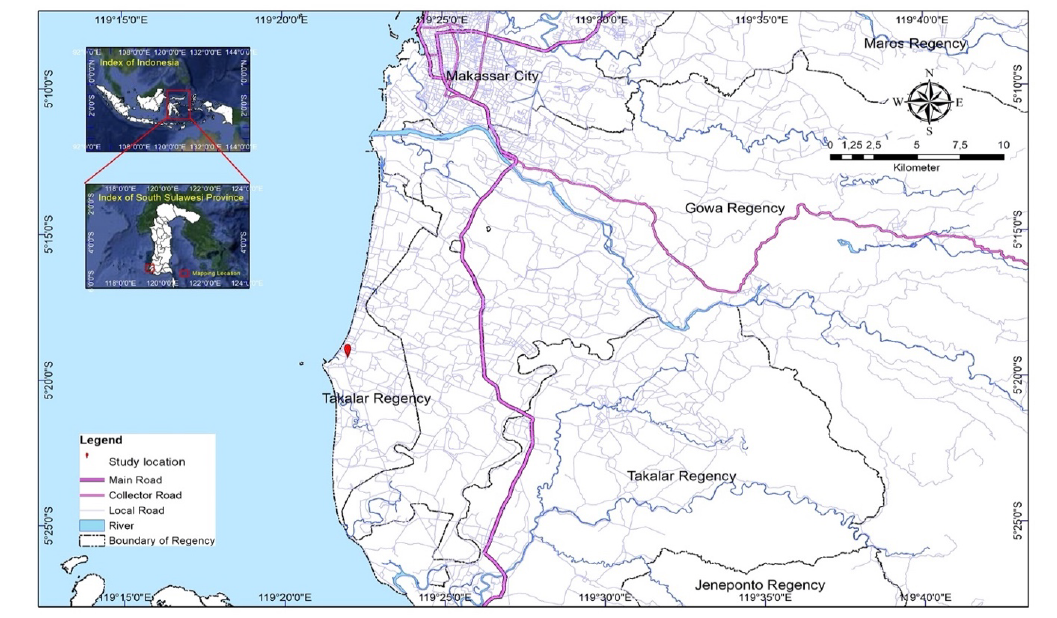

MAKASSAR, Indonesia May 11 2026 /TERMITE/-Indonesia is known for its rich cultural heritage, especially its traditional wooden architecture that reflects local wisdom and identity. One remarkable example is Balla Lompoa Ri Galesong, a historic traditional house in South Sulawesi that symbolizes the cultural values of the Makassar community. However, behind its beauty and historical importance, this heritage building faces a serious but often invisible threat: biological deterioration caused by termites, fungi, and other wood-destroying organisms.
This issue was scientifically discussed in an article entitled “Biological Deterioration of Wooden Components of Balla Lompoa Ri Galesong in South Sulawesi, Indonesia” published in Jurnal Sylva Lestari by the Department of Forestry, Faculty of Agriculture, University of Lampung, on 13 June 2024. The study provides important insights into how biological agents gradually damage the wooden structure of this cultural heritage building.
According to the research, termites attack the inner parts of the wood, weakening the structural strength over time. Fungi also contribute to deterioration, especially in humid environmental conditions. Although the damage may appear small at first, continuous biological activity can eventually threaten the survival of the entire structure. Without proper conservation efforts, valuable traditional buildings like Balla Lompoa may disappear in the future.
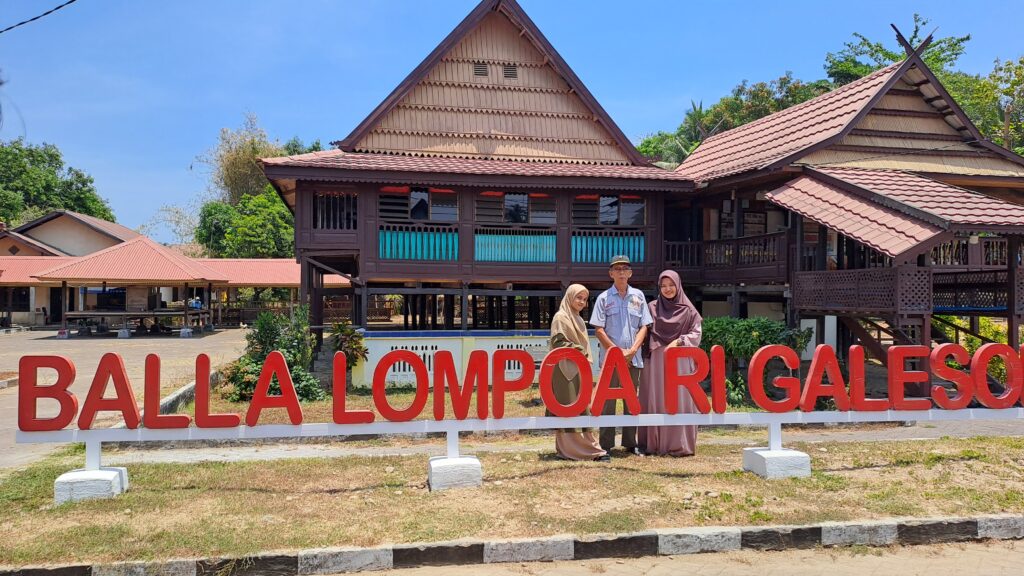
This issue is closely related to SDG 15: Life on Land, one of the Sustainable Development Goals established by the United Nations. SDG 15 emphasizes the importance of protecting terrestrial ecosystems, conserving biodiversity, and promoting the sustainable use of natural resources. Traditional wooden houses are directly connected to forest ecosystems because they rely on timber as their primary construction material. Therefore, preserving these structures also means promoting sustainable environmental management.
Interestingly, termites are not always harmful in nature. In forest ecosystems, termites help decompose dead organic material and recycle nutrients into the soil. They play an important role in maintaining ecological balance. However, when termites infest historical wooden buildings, they become a major challenge for conservation.
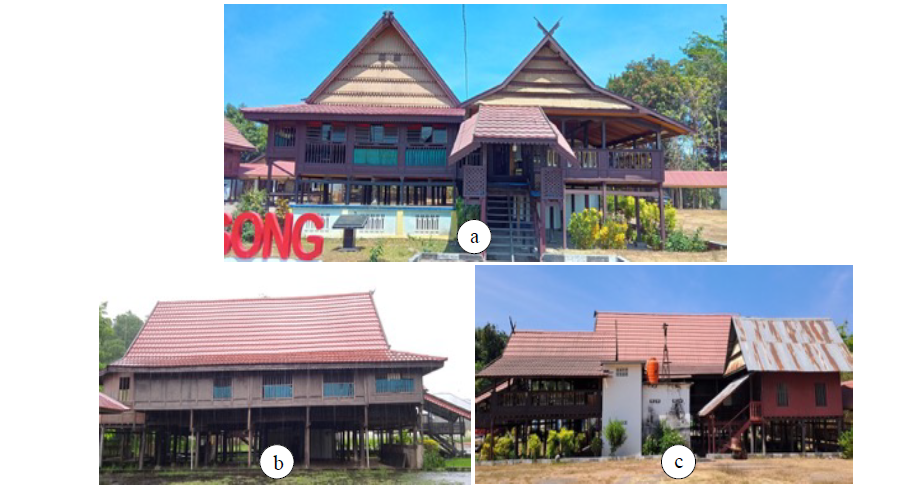
The research on Balla Lompoa highlights the importance of preventive conservation strategies. Preservation should not only focus on repairing damage after it becomes severe. Instead, regular monitoring, humidity control, environmentally friendly wood treatment, and public awareness are essential steps to reduce biological deterioration.
In addition, the study reminds us that traditional architecture contains valuable local knowledge. Many traditional houses in Indonesia were designed to adapt naturally to tropical climates using sustainable local materials. Modern society can still learn important lessons about environmentally friendly living from these traditional structures.
Protecting Balla Lompoa is not only about saving an old building. It is about preserving cultural identity, protecting historical knowledge, and supporting sustainable environmental practices. Scientific studies such as “Biological Deterioration of Wooden Components of Balla Lompoa Ri Galesong in South Sulawesi, Indonesia” help bridge science, culture, and conservation efforts for future generations.
Through collaboration between researchers, local communities, and government institutions, Indonesia’s cultural heritage can continue to survive and contribute to the global mission of SDG 15: Life on Land.
Article Metadata
- Article Title: Biological Deterioration of Wooden Components of Balla Lompoa Ri Galesong in South Sulawesi, Indonesia
- Journal: Jurnal Sylva Lestari
- Publisher: Department of Forestry, Faculty of Agriculture, University of Lampung
- Publication Date: 13 June 2024
- Related SDG: SDG 15 – Life on Land
Reference:
DOI: https://doi.org/10.23960/jsl.v12i3.899
Contact:
Prof. Dr. Ir. Astuti Arif, S.Hut., M.Si., IPU.
+62 811-442-171
astuti_arif@unhas.ac.id


