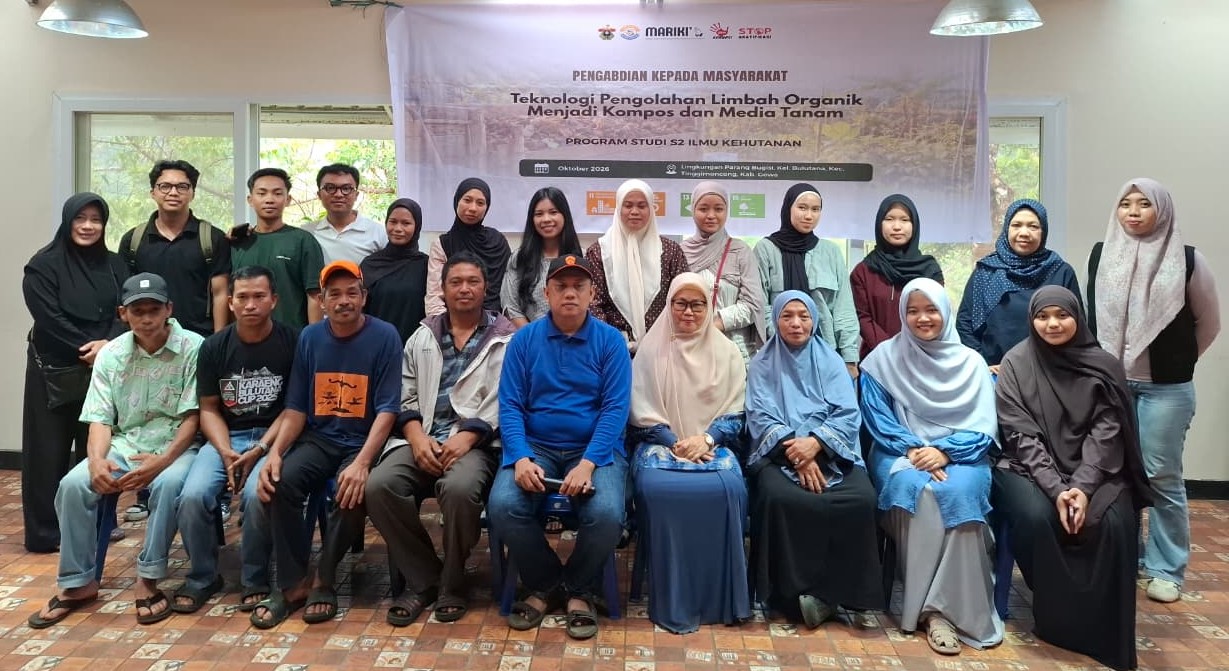

Gowa, Indonesia Oktober 24 2026 /TERMITE/- A community outreach activity entitled “Organic Waste Processing Technology (Agricultural and Household Waste) into Compost and Planting Media” in Parang Bugisi, Bulutana Village, Tinggimoncong District, Gowa Regency, South Sulawesi, Indonesia. The activity involved 20 participants and aimed to raise public awareness of practical and environmentally friendly methods for managing organic waste generated from agricultural activities and households.
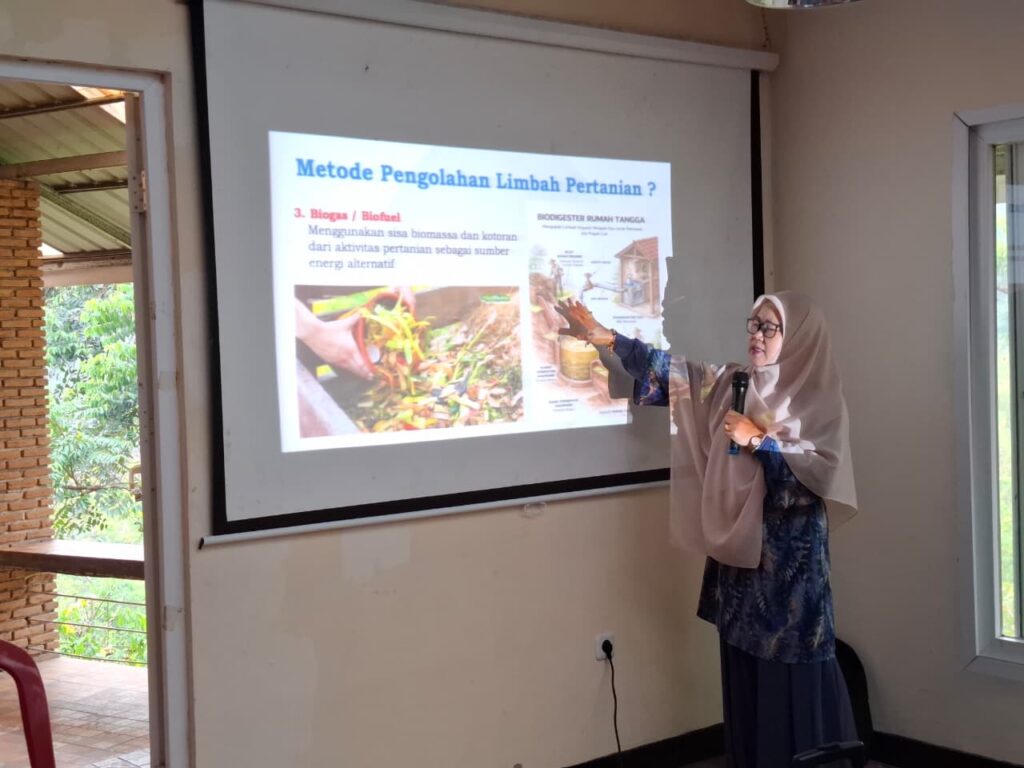
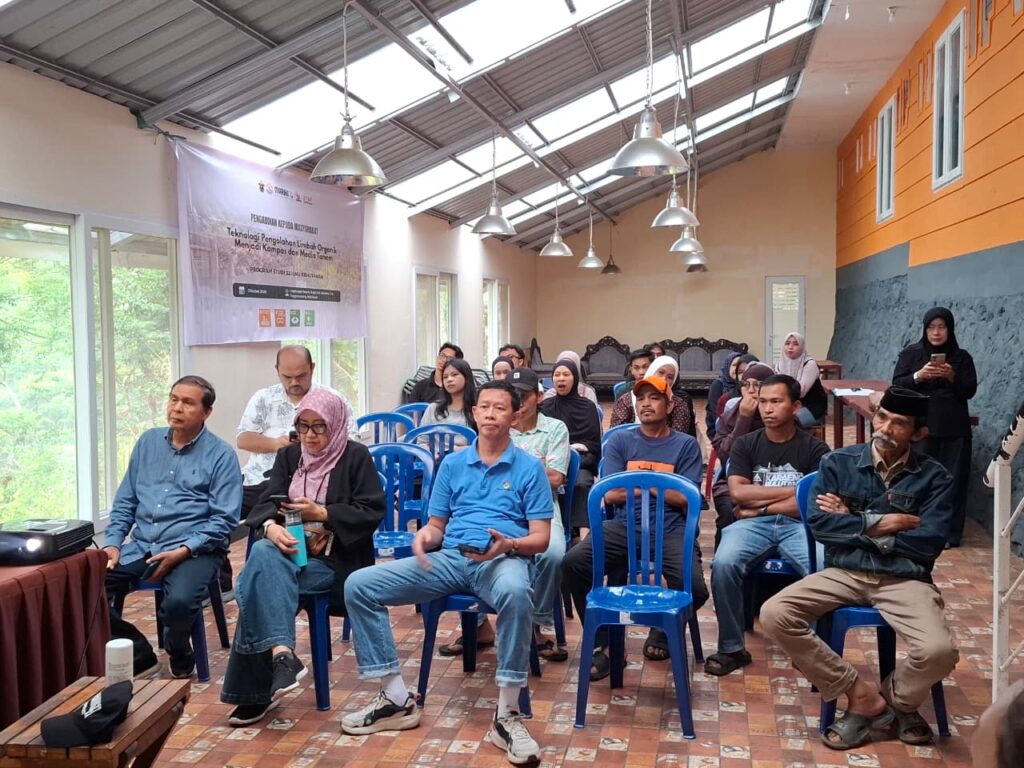
Organic waste, including vegetable scraps, fallen leaves, crop residues, and other biodegradable materials, is often discarded without proper management. However, these materials have significant potential to be transformed into useful products through appropriate processing techniques. By introducing composting technology and the production of planting media, this activity encouraged participants to recognize organic waste as a valuable resource rather than simply unwanted material.
The outreach program emphasized the importance of understanding the basic principles of organic waste processing, including waste separation, the selection of suitable organic materials, and the conversion of biodegradable waste into compost. Participants were introduced to the potential benefits of composting, such as improving soil structure, supporting plant growth, and reducing the amount of organic waste sent to disposal sites. The resulting compost can also be incorporated into planting media to support household gardening and agricultural activities.
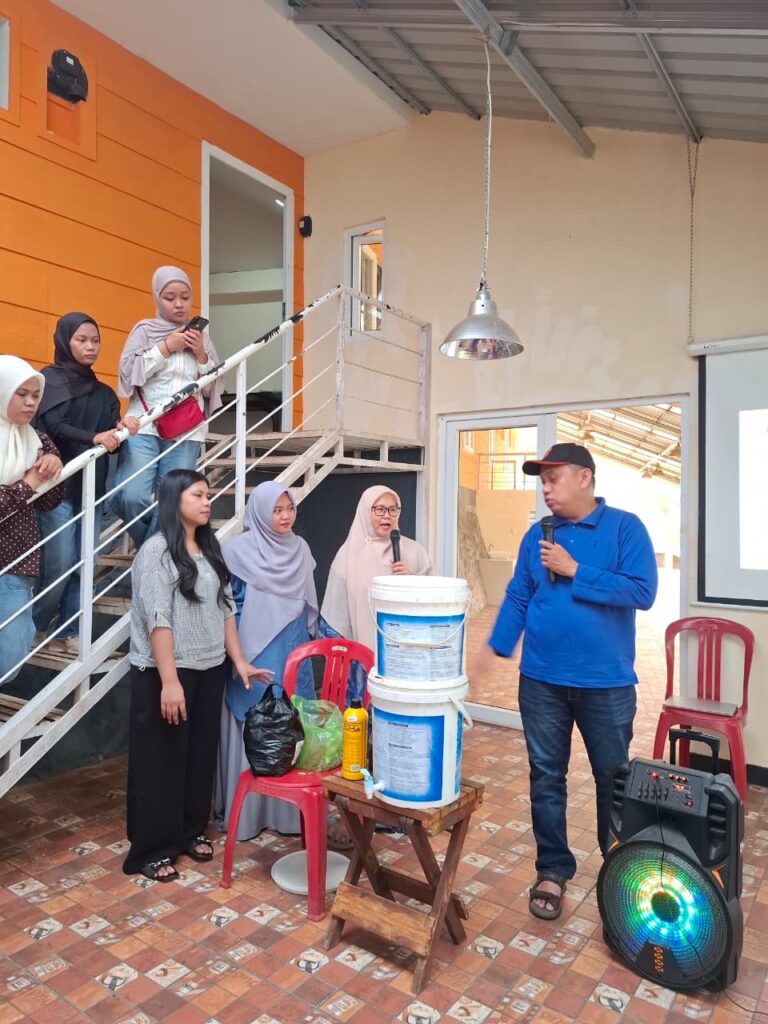
Beyond its environmental benefits, this initiative also highlighted the economic opportunities associated with sustainable waste management. Producing compost and planting media from locally available materials may help households reduce their expenditure on gardening supplies and agricultural inputs. With appropriate knowledge and consistent practices, communities can develop simple, low-cost solutions that support more efficient resource use and potentially create opportunities for additional household income.
This activity contributes to Sustainable Development Goal (SDG) 1: No Poverty, by promoting resource efficiency and exploring opportunities for household economic empowerment. It also supports SDG 4: Quality Education, through community-based learning that provides practical knowledge and encourages environmentally responsible behavior. Furthermore, the initiative aligns with SDG 15: Life on Land, by promoting healthier soil management and more sustainable use of organic resources. Its collaborative approach also reflects SDG 17: Partnerships for the Goals, emphasizing the importance of cooperation among educational institutions, researchers, local communities, and other stakeholders in addressing environmental challenges.
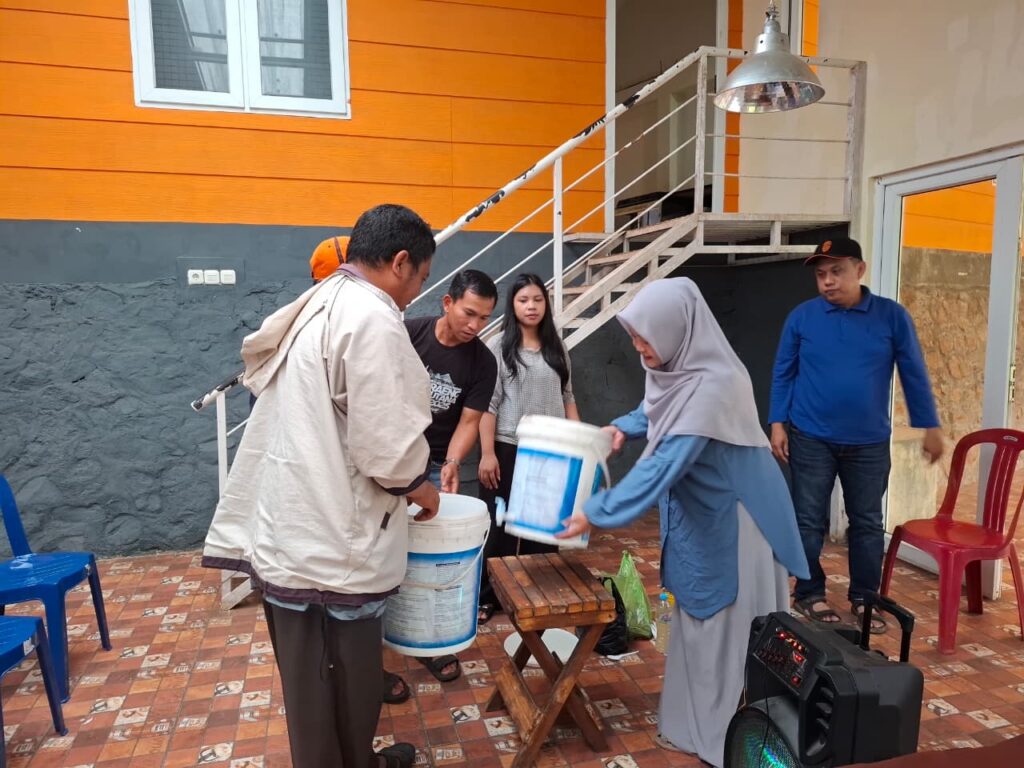
The participation of 20 community members demonstrates the importance of local involvement in building environmental awareness and encouraging sustainable practices. Community engagement can help ensure that knowledge gained through outreach activities is adapted to local conditions and applied in everyday life.
Ultimately, this initiative seeks to encourage a shift toward a circular approach to waste management, in which organic materials are returned to productive use rather than discarded. Through accessible education, practical waste-processing knowledge, and community collaboration, the program supports the development of cleaner surroundings, more productive planting media, and a stronger foundation for sustainable livelihoods in Bulutana Village and surrounding communities.