


MAKASSAR, Indonesia May 12 2026 /TERMITE/- When people hear the word “termite,” they usually imagine damaged furniture, broken wooden houses, or destructive insect attacks. However, termites are far more complex than simple pests. Deep beneath the soil and inside decaying wood, termites live in highly organized societies with unique communication systems, social structures, and even territorial conflicts. Surprisingly, the behavior of these tiny insects can help scientists better understand biodiversity and ecosystem balance in tropical forests.
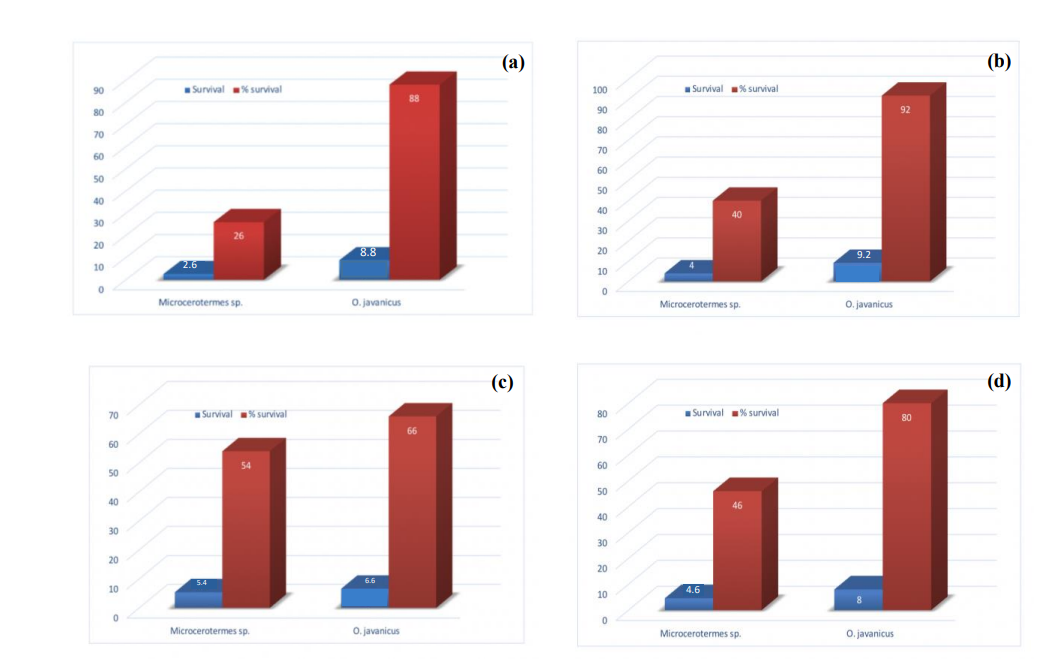
This fascinating topic was explored in the scientific article “Interspecific Agonistic Behaviour of Odontotermes javanicus and Microcerotermes sp. (Isoptera: Termitidae): Preliminary Study”, published in the 2nd Biennial Conference of Tropical Biodiversity by IOP Publishing in 2021. The research focused on the aggressive interactions between two different termite species, Odontotermes javanicus and Microcerotermes sp., to understand how they compete and survive within the same environment.
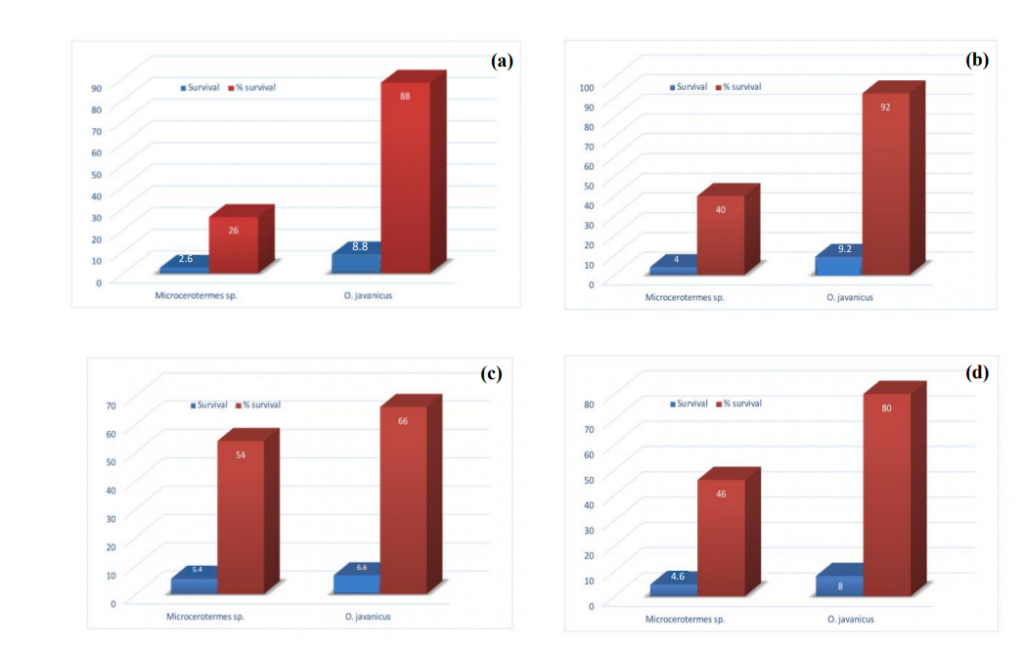
The study revealed that termites from different species may display agonistic behavior, which refers to aggressive or defensive actions such as attacking, fighting, or protecting their colonies from rivals. These conflicts usually occur when termites compete for food resources, nesting spaces, or territory. Although these battles happen on a tiny scale and are rarely seen by humans, they play an important role in maintaining ecological balance.
This research is closely connected to SDG 15: Life on Land, one of the Sustainable Development Goals established by the United Nations. SDG 15 focuses on protecting terrestrial ecosystems, conserving biodiversity, and promoting sustainable management of natural resources. Understanding the behavior and diversity of insects like termites is important because even small organisms contribute significantly to ecosystem stability.
Termites are often called “ecosystem engineers” because they help decompose dead organic material, recycle nutrients, and improve soil quality. Their underground tunnels increase soil aeration and water infiltration, which support plant growth and forest productivity. However, different termite species have different ecological roles, and interactions between them can influence the structure of ecosystems.The findings from this study also remind us that biodiversity is not only about large animals such as elephants, tigers, or birds. Tiny organisms, including insects, are equally important for maintaining healthy ecosystems. Without decomposers like termites, forests would struggle to recycle nutrients efficiently.
In addition, the research highlights the importance of scientific studies in increasing public awareness about hidden biodiversity. Many people see termites only as harmful pests, while in reality, they are important contributors to environmental sustainability. Through scientific observation, researchers can better understand species interactions and predict how environmental changes may affect ecosystem balance.
The publication of “Interspecific Agonistic Behaviour of Odontotermes javanicus and Microcerotermes sp. (Isoptera: Termitidae): Preliminary Study” demonstrates how scientific research can reveal hidden ecological processes occurring beneath our feet. Studies like this encourage society to appreciate even the smallest creatures in nature. Ultimately, protecting biodiversity means protecting every component of life, including insects that are rarely noticed by humans. Through continued research, conservation, and environmental awareness, we can support the mission of SDG 15: Life on Land and help preserve healthy ecosystems for future generations.
Reference:
doi:10.1088/1755-1315/886/1/012038
Contact:
Prof. Dr. Ir. Astuti Arif, S.Hut., M.Si., IPU.
+62 811-442-171
astuti_arif@unhas.ac.id


