


MAKASSAR, Indonesia May 12 2026 /TERMITE/- When people think about biodiversity, they often imagine large animals such as elephants, birds, or exotic tropical plants. Yet beneath the forest floor lives a group of tiny insects that quietly play a major role in maintaining ecosystem balance: termites. Although commonly associated with damaged furniture or wooden houses, termites are actually essential organisms in tropical forests. They help decompose dead organic matter, recycle nutrients, and improve soil fertility, making them important contributors to environmental sustainability.
The importance of these insects was highlighted in the scientific article “Survey and Morphological Identification of Termites (Insecta: Isoptera) in Teaching Forest of Hasanuddin University, Indonesia”, published in The 1st Biennial Conference of Tropical Biodiversity by IOP Publishing in 2019. The study focused on surveying and identifying termite species found in the Teaching Forest of Hasanuddin University in Indonesia.
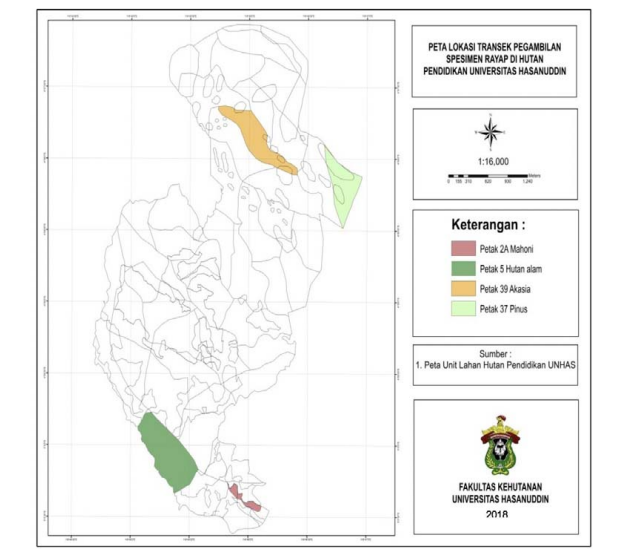
Through morphological identification methods, researchers observed the physical characteristics of termites to classify different species living in the forest ecosystem. The findings revealed the presence of various termite groups with different ecological roles. Some species feed on dead wood, while others consume leaf litter, soil organic matter, or decomposing plant material. Together, these termites support nutrient cycling and help maintain healthy forest ecosystems.
This study is closely connected to SDG 15: Life on Land, one of the Sustainable Development Goals established by the United Nations. SDG 15 focuses on protecting terrestrial ecosystems, conserving biodiversity, and promoting sustainable forest management. Research on termite diversity is important because termites can act as bioindicators, organisms whose presence reflects the health and balance of an ecosystem.
The research also demonstrates that biodiversity conservation is not only about protecting large and charismatic wildlife. Small organisms such as termites are equally important because they support critical ecological processes that humans often overlook. Without decomposers like termites, forests would accumulate dead organic matter, nutrient cycles would slow down, and soil fertility would decline.
In addition, the study highlights the importance of educational forests as centers for research, conservation, and environmental learning. The Teaching Forest of Hasanuddin University provides scientists and students with opportunities to study biodiversity directly in natural environments. Such educational activities help increase scientific understanding while encouraging public awareness about environmental conservation.
Interestingly, termites also contribute to soil improvement through their underground tunnel systems. Their activities increase soil aeration and water infiltration, which support plant growth and ecosystem productivity. These ecological services are essential for maintaining resilient tropical forests, especially in the face of climate change and environmental degradation.
The publication of “Survey and Morphological Identification of Termites (Insecta: Isoptera) in Teaching Forest of Hasanuddin University, Indonesia” shows how scientific research can uncover hidden biodiversity and encourage sustainable environmental management. Studies like this help society appreciate that even the smallest creatures play important roles in maintaining life on Earth. Ultimately, protecting forests means protecting all organisms within them, including insects that often go unnoticed. Through research, education, and conservation efforts, society can better understand the importance of biodiversity and continue supporting the mission of SDG 15: Life on Land for a healthier and more sustainable future.
Reference:
doi:10.1088/1755-1315/270/1/012001
Contact:
Prof. Dr. Ir. Astuti Arif, S.Hut., M.Si., IPU.
+62 811-442-171
astuti_arif@unhas.ac.id


