

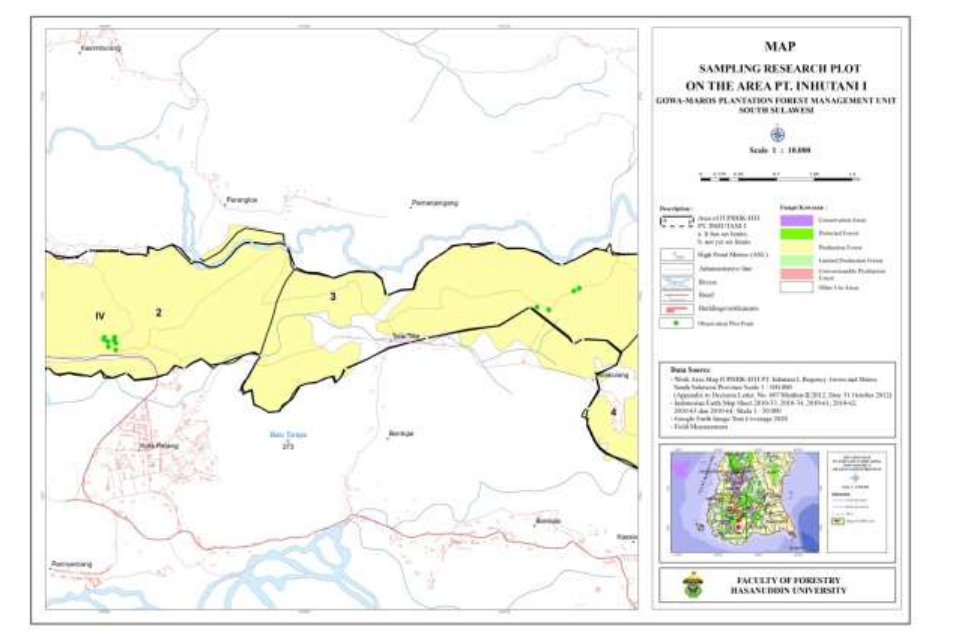

MAKASSAR, Indonesia May 11 2026 /TERMITE/- When people hear the word “termite,” they often think about damaged furniture or destroyed wooden buildings. However, termites are much more than household pests. In natural ecosystems, termites play a vital role in maintaining soil fertility, recycling nutrients, and supporting forest health. These tiny insects are often called “ecosystem engineers” because their activities help sustain ecological balance in tropical forests.The importance of termites in forest ecosystems was highlighted in the scientific article titled “Termites (Insecta: Isoptera) Diversity in Forest Concession Areas of PT Inhutani I, Indonesia”, published in the 2nd Biennial Conference of Tropical Biodiversity by IOP Publishing in 2021. The study examined termite diversity in forest concession areas managed by PT Inhutani I in Indonesia and explored the ecological significance of these insects within tropical forest environments.
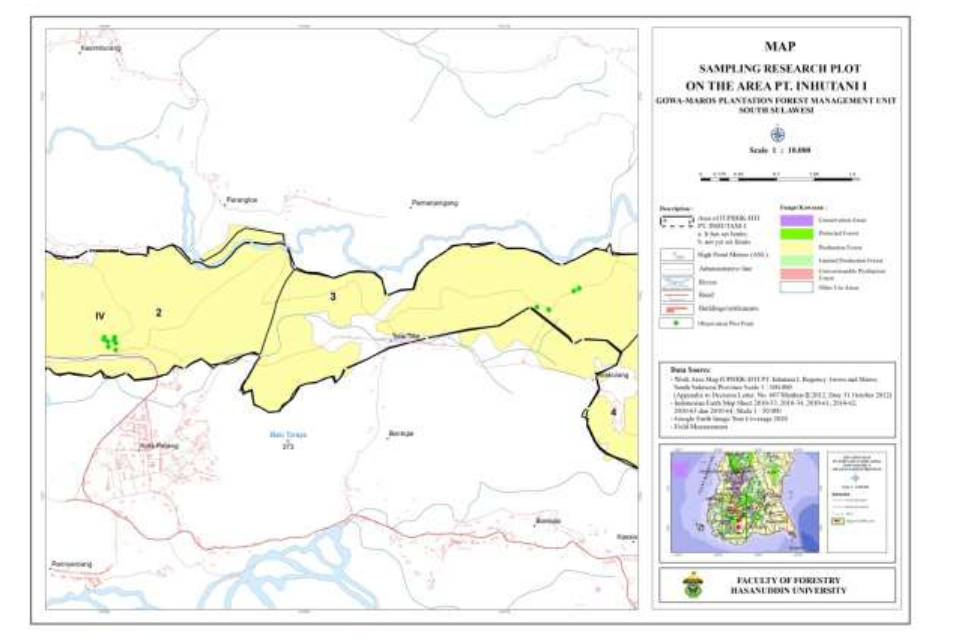
The research revealed that forest concession areas still support a variety of termite species with different ecological functions. Some termite groups feed on wood, while others consume leaf litter, soil organic matter, or decomposing plant material. Through these feeding activities, termites accelerate decomposition processes and return nutrients back into the soil. As a result, forests become more fertile and capable of supporting plant growth and biodiversity.
This research is strongly connected to SDG 15: Life on Land, one of the Sustainable Development Goals established by the United Nations. SDG 15 focuses on protecting terrestrial ecosystems, conserving biodiversity, and promoting sustainable forest management. Understanding termite diversity is important because termites can serve as biological indicators of ecosystem health. A healthy and balanced forest ecosystem often supports diverse termite communities.
The findings also remind us that biodiversity is not only about large animals such as tigers or orangutans. Small organisms like termites also play critical ecological roles that are often overlooked by society. Without decomposers such as termites, dead organic matter would accumulate in forests, disrupting nutrient cycles and ecosystem stability.
In addition, the study highlights the importance of sustainable forest management in concession areas. Forest utilization for economic purposes should still prioritize biodiversity conservation and ecological balance. Scientific research can help policymakers and forest managers understand how human activities affect species diversity and ecosystem functions.
Interestingly, termites also contribute to climate regulation. By decomposing organic material and improving soil structure, termites indirectly support carbon cycling and soil productivity. Their underground tunnels enhance water infiltration and soil aeration, helping forests remain resilient against environmental stress.
The publication of studies such as “Termites (Insecta: Isoptera) Diversity in Forest Concession Areas of PT Inhutani I, Indonesia” demonstrates how scientific research can improve public understanding of ecological sustainability. It encourages society to appreciate not only visible biodiversity but also the hidden organisms that keep ecosystems functioning.
Protecting forests means protecting every component within them, including the smallest creatures. Through sustainable management, biodiversity conservation, and continued scientific research, Indonesia’s tropical forests can continue providing ecological, economic, and environmental benefits for future generations.
Ultimately, termites are not merely insects living in wood. They are essential contributors to ecosystem balance and important allies in achieving SDG 15: Life on Land for a more sustainable planet.
Article Metadata
Article Title : Termites (Insecta: Isoptera) Diversity in Forest Concession Areas of PT Inhutani I, Indonesia
Journal/Conference Proceeding : 2nd Biennial Conference of Tropical Biodiversity
Conference/Event: IOP Publishing
Publication Year: 2021
Related SDG : SDG 15 – Life on Land
Reference:
doi:10.1088/1755-1315/886/1/012129
Contact:
Prof. Dr. Ir. Astuti Arif, S.Hut., M.Si., IPU.
+62 811-442-171
astuti_arif@unhas.ac.id


