
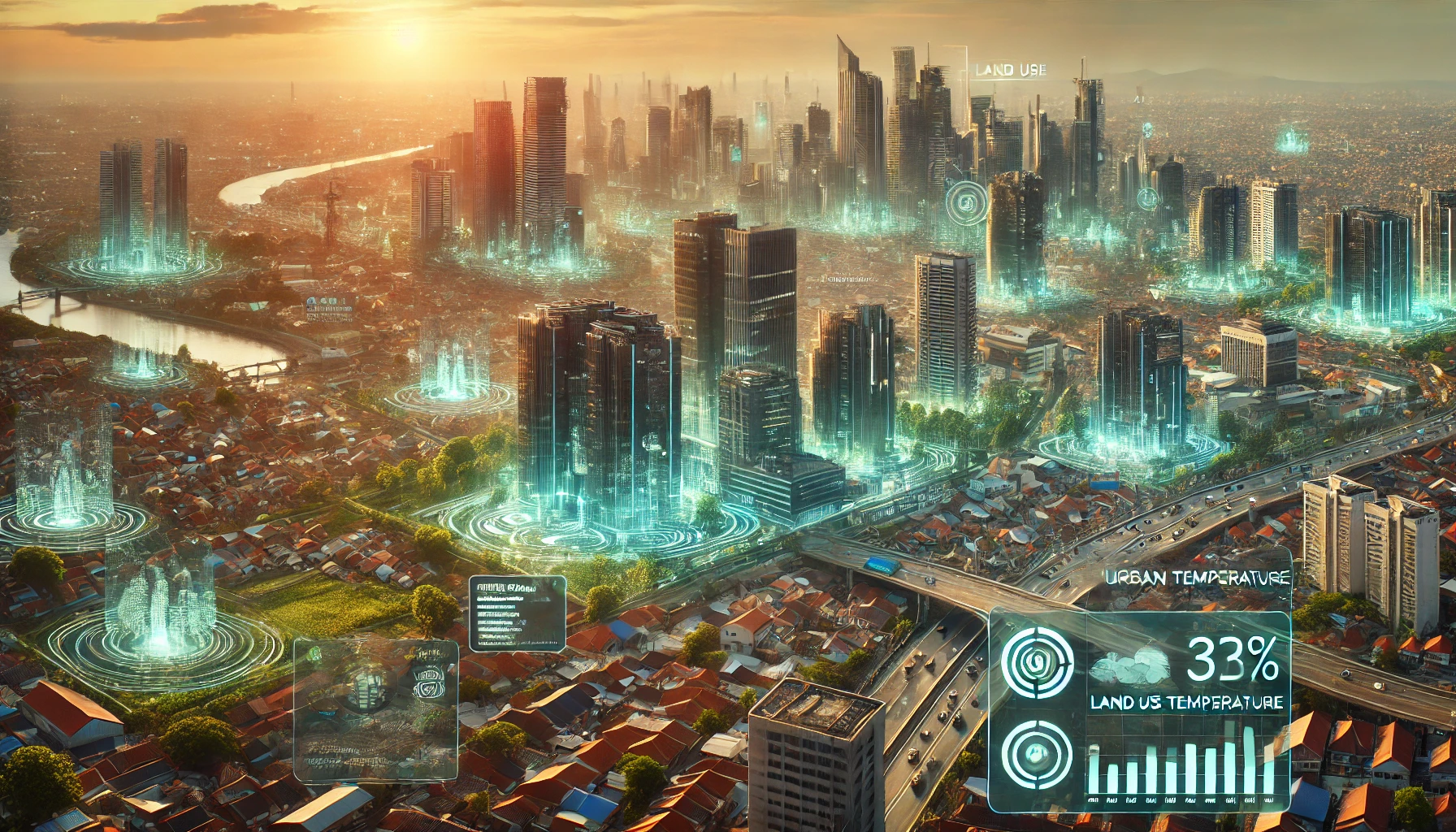

MAKASSAR, Indonesia 9 September 2026/SRI-RG/- Rapid urbanization has made Makassar, the capital of South Sulawesi and the largest city on Sulawesi island, one of Indonesia’s fastest-growing metropolitan areas, with its population climbing by roughly 28,460 people over the past decade. Beneath the new malls, housing estates, and expanding roads, however, lies a quieter and less visible danger: mounting evidence that the ground itself is sinking.
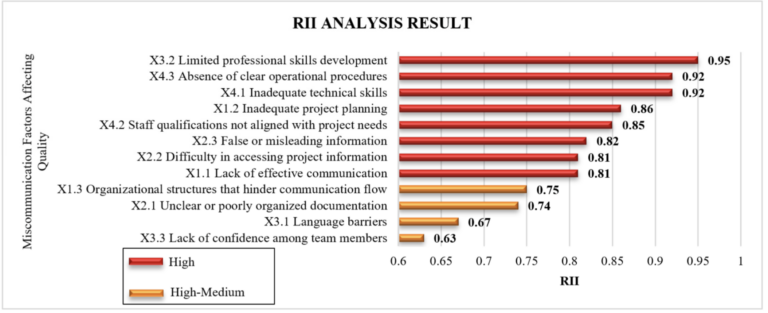
MAKASSAR, Indonesia 10 September 2026/SRI-RG/- Indonesia poured IDR 423.4 trillion into infrastructure development in 2024 alone, funding major projects such as the Trans-Sumatra toll road and the new National Capital City. Yet even as cranes rise across cities like Makassar, project managers admit they spend nearly 90% of their working hours simply trying to communicate with everyone involved in a project, and more than 40% of field workers say miscommunication is what derails a project the most.
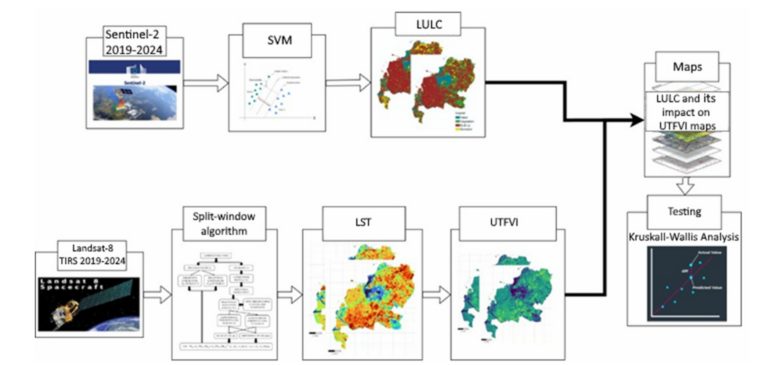
MAKASSAR, Indonesia 10 September 2026/SRI-RG/- Between 2019 and 2024, Makassar City lost 12 percentage points of its vegetation cover, while built-up land grew by the same amount, expanding from 34% to 46% of the city’s total area. Over the same five years, the city’s average land surface temperature climbed by roughly 2.1°C, and the share of land classified in the worst thermal-stress category jumped from 24% to 39%.
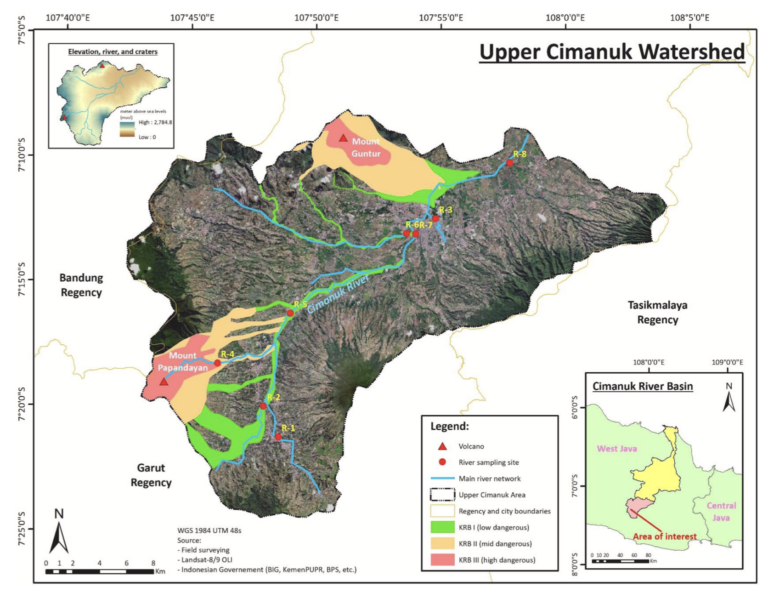
MAKASSAR, Indonesia 10 September 2026/SRI-RG/- Two active volcanoes, Papandayan and Guntur, feed the headwaters of West Java’s Cimanuk River with water so mineral-rich that in some stretches it carries more than 40,000 milligrams of dissolved solids per liter, roughly 80 times the level generally considered safe for drinking water. Yet even in these harsh conditions, life finds a way to survive, and even thrive.
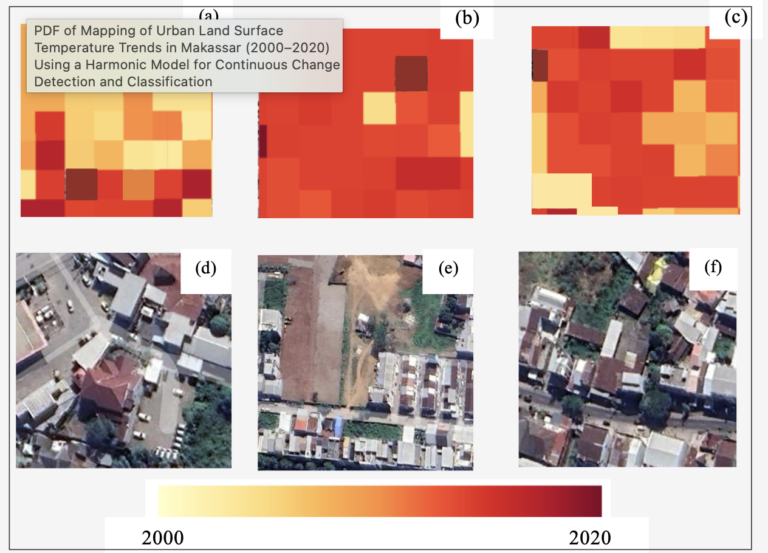
MAKASSAR, Indonesia 10 September 2026/SRI-RG/- Between 2000 and 2020, Makassar City’s average land surface temperature climbed by nearly 6°C, while its built-up land expanded by an estimated 1,500 to 2,000 hectares in just five years at the fastest point of growth. Satellites watching from orbit captured every step of that transformation, pixel by pixel, year by year.
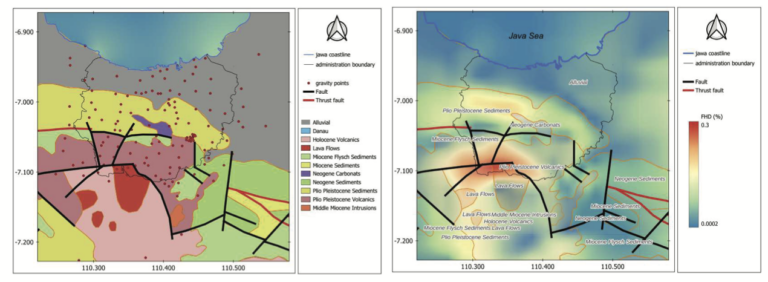
MAKASSAR, Indonesia 10 September 2026/SRI-RG/- In the low-lying northern districts of Semarang, Indonesia’s north-coast port city, the ground itself is sinking by 10 to 20 centimeters every year, forcing road crews to repeatedly raise the same stretches of highway just to keep them passable. Meanwhile, in the hillier parts of the city, roads crack and buckle wherever they cross a hidden fault line running beneath the surface.
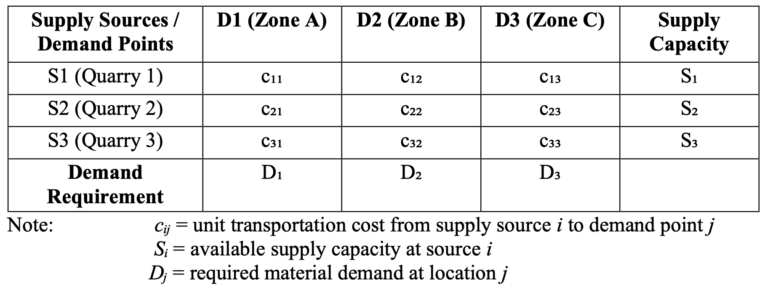
MAKASSAR, Indonesia 10 September 2026/SRI-RG/- On any major construction site, materials such as sand, gravel, and cement rarely come from just one source. They arrive from multiple quarries and suppliers, get trucked to scattered work zones, and every extra kilometer driven adds cost. In large infrastructure projects, transportation and handling can eat up a significant share of the total budget, yet many project teams still decide where materials go largely by habit or gut feeling rather than by calculation.
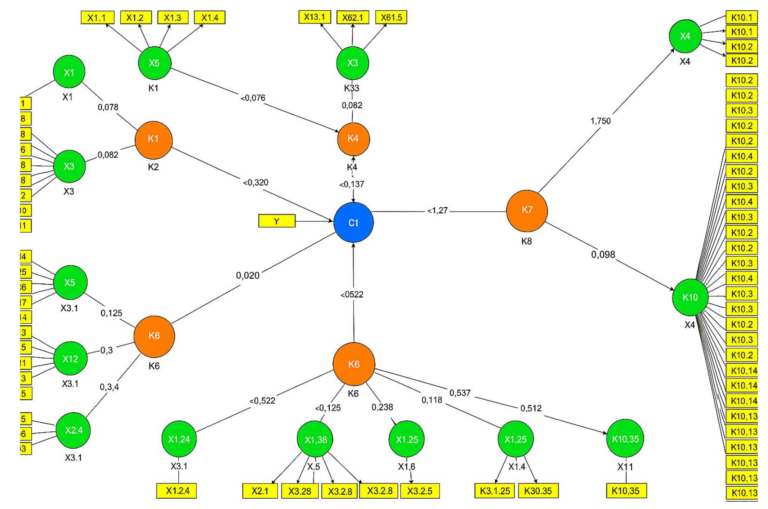
MAKASSAR, Indonesia 10 September 2026/SRI-RG/- High-rise building projects built under “design-build” contracts, where a single firm handles both design and construction, move fast and involve many overlapping teams. That speed and complexity is exactly what makes keeping everyone safe so difficult: safety rules only work if the knowledge behind them actually reaches the people pouring concrete and operating cranes.