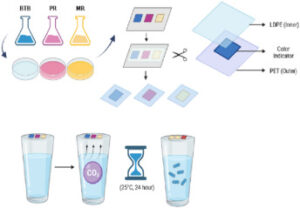
MAKASSAR, Indonesia Mar 2 2026/RESPOBIO/ β Every year, nearly one-third of all food produced globally is lost or wasted. This staggering reality not only drains economic resources but also deepens food insecurityβespecially in developing regions. Ironically, much of this waste happens not because food is unsafe, but because people cannot accurately judge its freshness. In the case of highly perishable products like coconut water, this uncertainty often leads to premature disposal.

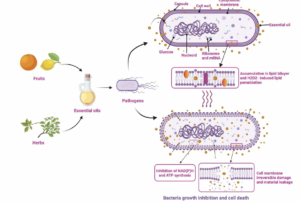
MAKASSAR, Indonesia Mar 2 2026/RESPOBIO/ β Have you ever opened your pantry and been greeted by the warm, comforting aroma of cinnamon? While we usually associate this spice with autumn treats and morning lattes, scientists are now using it as a secret weapon in the fight against two of the world's biggest problems: plastic pollution and food waste.

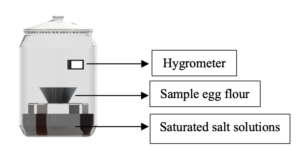
MAKASSAR, Indonesia Mar 2 2026/RESPOBIO/ β Every day, millions of eggs are consumed worldwideβyet many are lost to spoilage, poor storage, or inefficient processing. In developing regions, especially, this loss translates into reduced nutrition, economic inefficiency, and food insecurity. What if a simple transformation could extend shelf life, preserve nutrients, and improve food safety at once? This is where egg flour emerges as a quiet but powerful innovation.
MAKASSAR, Indonesia Mar 2 2026/RESPOBIO/ β Imagine a world where your grocery packaging doesn't just sit there, it actually fights to keep your food fresh. Even better, imagine that same packaging is made from the very fruit peels we usually throw away and can disappear into the soil in weeks. This isn't science fiction; it is the frontier of "active food packaging," a movement that turns natureβs own toolkit into a high-tech shield for our snacks.