
Nature’s Secret Armor: How Fruit Peels and Herbs are Saving Our Food and Our Oceans
MAKASSAR, Indonesia Mar 2 2026/RESPOBIO/ – Imagine a world where your grocery packaging doesn’t just sit there, it actually fights to keep your food fresh. Even better, imagine that same packaging is made from the very fruit peels we usually throw away and can disappear into the soil in weeks. This isn’t science fiction; it is the frontier of “active food packaging,” a movement that turns nature’s own toolkit into a high-tech shield for our snacks.
The blueprint for this revolution is detailed in the latest study, “Pectin-essential oil composite films for active food packaging: A comprehensive review.” Published in the prestigious journal Applied Food Research by Elsevier on 31 December 2026, this research highlights how we can move away from harmful plastics toward a circular economy. Led by experts at Hasanuddin University, the study explores the synergy between pectin a natural glue found in fruit cell walls and essential oils.
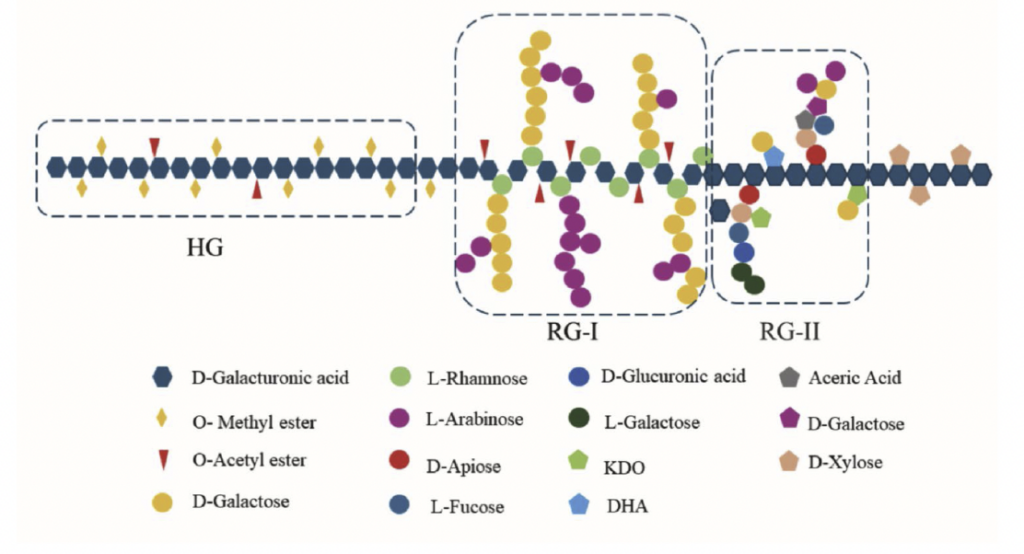
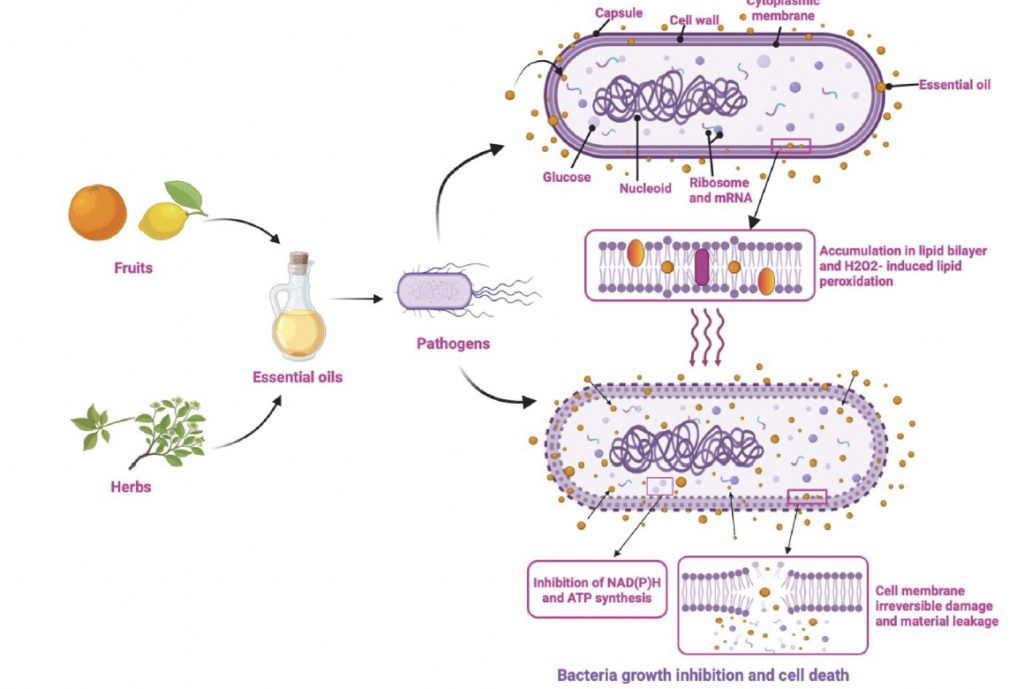
Currently, the world faces a double crisis: we lose up to 45% of our global fruit and vegetable production to spoilage, and our reliance on plastic packaging is choking the planet with microplastics. Pectin, which is abundantly available from agricultural waste like citrus and apple peels, offers a sustainable solution. While pectin alone is a bit weak, adding essential oils from plants like cinnamon, clove, and oregano turns it into a “smart” film. These essential oils are nature’s own antibiotics. They contain bioactive compounds that disrupt the cell membranes of dangerous bacteria like Salmonella and E. coli, effectively stopping rot in its tracks. By using clever technologies like nanoemulsions, scientists can control the release of these oils, ensuring that your meat, fruit, or bread stays protected throughout its journey from the farm to your table.
This innovation is a champion for SDG 14: Life Below Water. By replacing conventional, non-biodegradable plastics with pectin-based films, we can significantly reduce the flow of plastic waste and toxic microplastics into our oceans. These plant-based films are non-toxic and biocompatible, ensuring that when they eventually break down, they don’t harm the delicate marine ecosystems that provide us with life. While technical challenges like “scaling up” production and managing the strong aromas of some oils remain, the future is bright. This research proves that by looking back at nature’s basics, we can move forward into a healthier, plastic-free future. The next time you peel an orange, remember: you might be holding the future of food safety in your hands.
Reference
DOI:
https://doi.org/10.1016/j.afres.2025.101652
Contact:
Prof. Andi Dirpan
+62 812-8774-1963
dirpan@unhas.ac.id