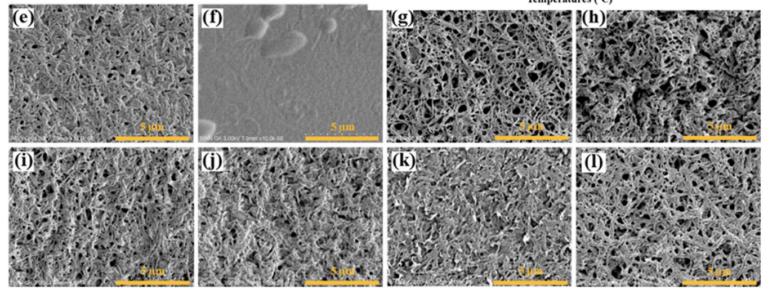
MAKASSAR, Indonesia Feb 03 2026 /RESPOBIO/– Every year, the world generates over 350 million tons of plastic waste, with food packaging accounting for more than 20% of this staggering total. Most of this waste is non-degradable, persisting in the environment for centuries and causing immense ecological damage. Worse still, microplastics and nanoplastics have started infiltrating our soil and even our table salt, posing serious health risks to human organs and metabolic systems. However, a groundbreaking discovery has revealed a way to turn common agricultural waste—specifically pomelo peels—into a high-tech, eco-friendly solution for protecting our food.
But what if a simple color change could help solve this problem?
A recent innovation in intelligent packaging introduces freshness indicators that visually signal the quality of food in real time. This technology is highlighted in the study “Fabrication of freshness indicators based on methylcellulose-containing color indicator solutions for monitoring the quality of coconut water,” published in Heliyon by Elsevier Ltd on March 30, 2024. The research presents a smart labeling system that uses methylcellulose-based films combined with natural color indicators to monitor chemical changes in coconut water during storage.
At the same time, this technology also contributes to SDG 1: No Poverty. Food loss is not just an environmental issue it is an economic one. When food is wasted, so are the resources, labor, and income tied to its production. For small-scale producers and vendors, especially in tropical regions where coconut water is widely consumed, reducing spoilage can directly improve livelihoods. More efficient use of food resources means lower costs, higher profits, and better access to affordable nutrition for vulnerable populations.
Importantly, the materials used in this system such as methylcellulose are biodegradable and environmentally friendly. This ensures that efforts to reduce food waste do not come at the expense of increasing plastic pollution. It represents a balanced approach where sustainability, safety, and economic value intersect.
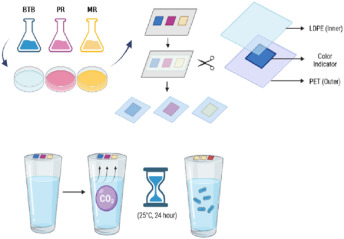
The science behind it is both elegant and practical. As coconut water begins to deteriorate, microbial activity alters its pH level. The embedded indicator responds to this shift by gradually changing color providing a clear, visual cue of freshness. Unlike traditional expiration dates, which are often conservative estimates, this system reflects the actual condition of the product.
This innovation strongly aligns with SDS 12: Responsible Consumption and Production, particularly in reducing food loss and waste across the supply chain. By offering real-time freshness information, these smart indicators help prevent unnecessary disposal of still-edible products. Retailers can better manage inventory, distributors can optimize logistics, and consumers can make more informed decisions at home.
In a broader sense, this innovation reflects a shift toward smarter and more inclusive food systems. It translates complex scientific processes into a simple, universal language color making it accessible to people regardless of education or technological access.
Reducing food loss is no longer just about better storage or faster distribution. It is about better information. And sometimes, that information can be as simple and as powerful as a change in color.
In the journey toward a more sustainable and equitable world, small innovations like these can create meaningful impact—turning potential waste into opportunity, and helping ensure that more food reaches those who need it most.
Reference:
DOI: Https://doi.org/10.1016/j.heliyon.2024.e28317
Contact:
Prof. Andi Dirpan
+62 812-8774-1963
dirpan@unhas.ac.id