
Makassar — Respobio hosted a Focus Group Discussion (FGD) on tea, fermentation, and traditional food as a strategic plan to align research priorities, broaden scientific perspectives, and identify opportunities for applied innovation on February 11, 2026. The discussion served as a platform for knowledge exchange among academics, researchers, graduate students, and an international collaborator, with the aim of strengthening research relevance to community needs and enhancing the innovation potential of traditional food systems.
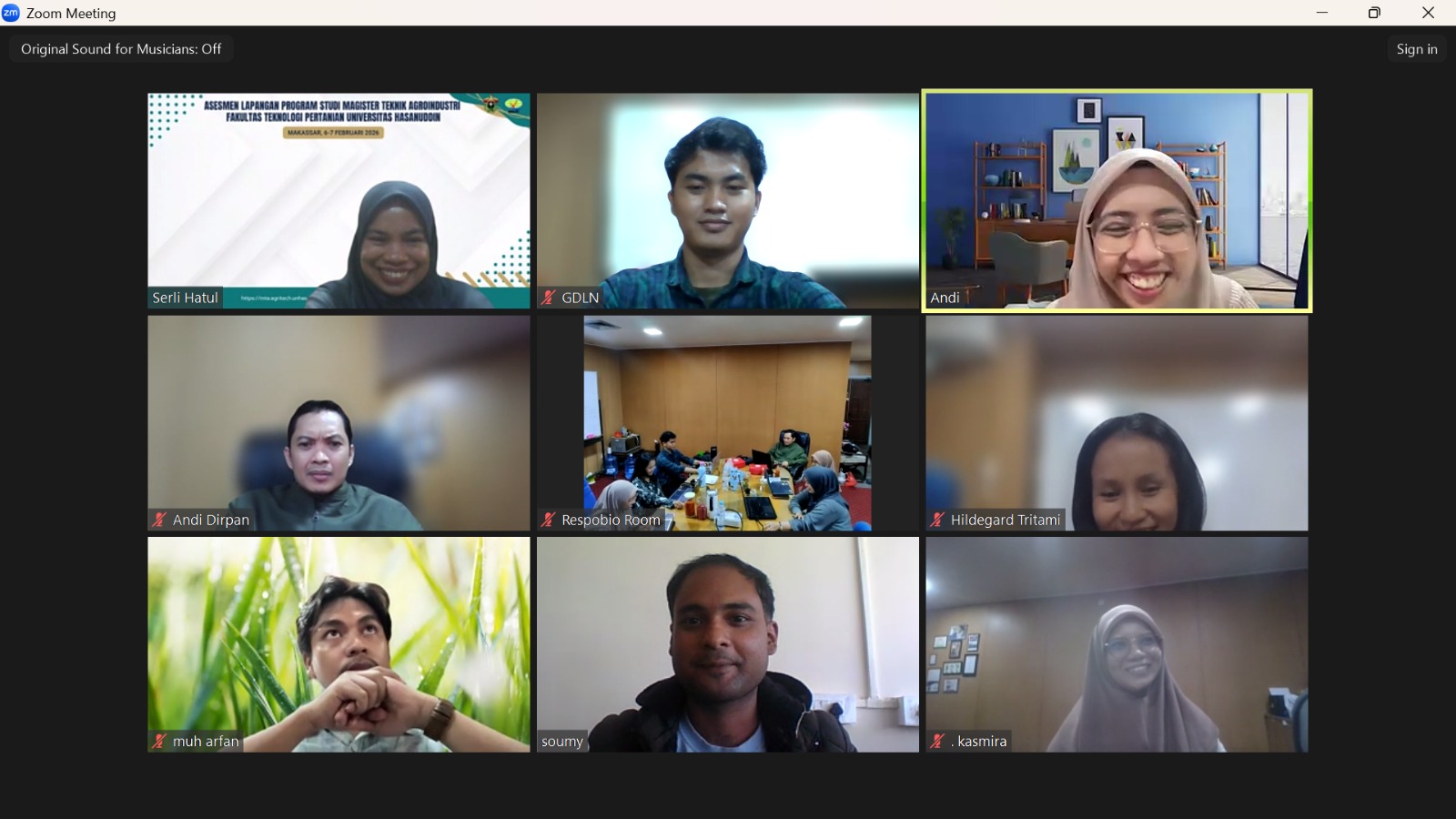
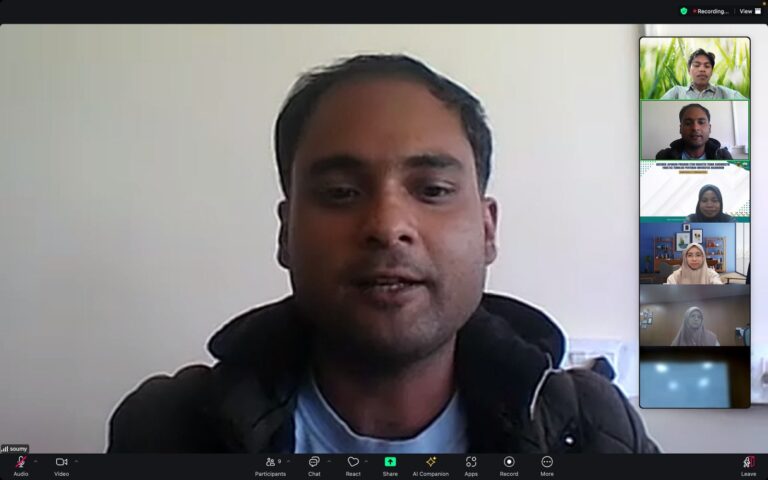
The FGD brought together 9 participants, representing Respobio leadership, lecturer, an international speaker, researchers, and master’s students. The session was guided by the Respobio leader and attended by Prof. Andi Dirpan, who contributed insights on research development, scientific focus, and impact-oriented outputs. A key highlight of the event was the participation of the international collaborator and invited speaker Soumya Majumder (Department of Tea Science, University of North Bengal, Darjeeling, India). Through presentation and interactive dialogue, the speaker enriched the discussion with perspectives on current developments in tea research, quality improvement practices, and fermentation research trends that can inform innovation in traditional foods.
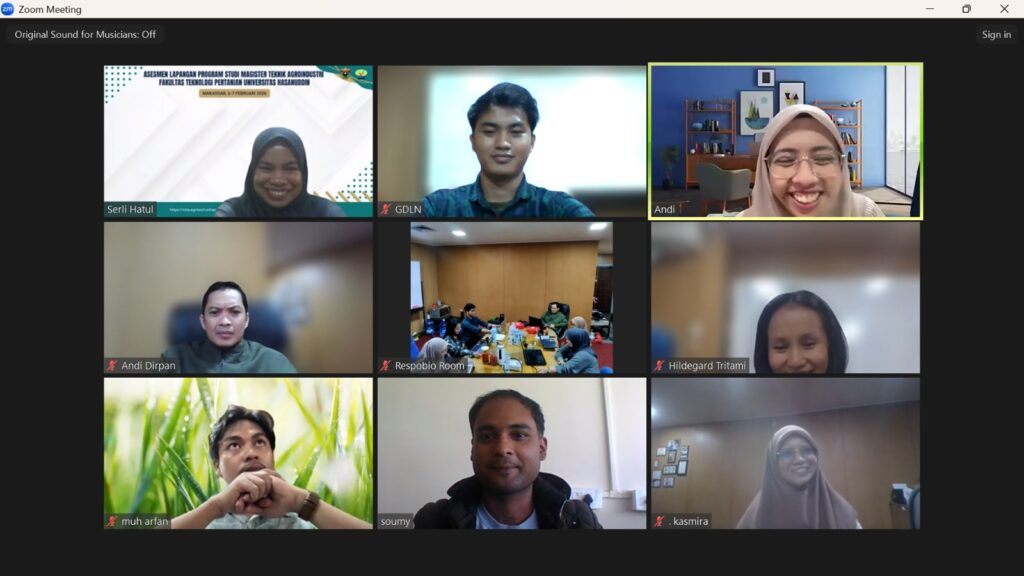
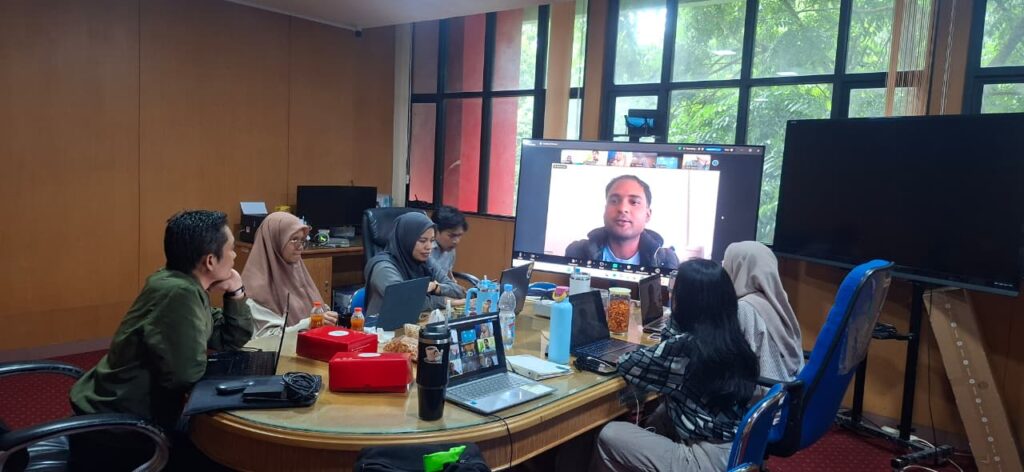
From Respobio, the researchers who actively participated were Serli Hatul Hidayat, Andi Fadiah Ainani, Hildegard Tritaimi, and Muh. Arfan. The FGD also involved master’s students Abel Yandi Novrain and Kasmira, who contributed by sharing perspectives on research design, data needs, and potential thesis topics aligned with Respobio’s research roadmap. The discussion was highly interactive and focused on key issues such as improving fermentation process quality, ensuring consistency in product quality and sensory characteristics, strengthening food safety, and exploring how scientific approaches can increase the competitiveness of tea-based and traditional fermented products.
Through this FGD, Respobio reaffirmed its commitment to contributing to the Sustainable Development Goals (SDGs), particularly SDG 1 (No Poverty) and SDG 3 (Good Health and Well-Being). The linkage to SDG 1 was reflected in discussions on research downstreaming and value addition, highlighting the potential of tea and fermentation-based innovations to expand economic opportunities for local producers, farmers, and MSMEs. Meanwhile, the contribution to SDG 3 was emphasized through the focus on food safety, fermentation quality, and innovation pathways that support healthier and higher-quality consumption patterns.
Moving forward, the outcomes of this FGD are expected to serve as a foundation for follow-up research agendas, strengthened scientific collaboration, and more targeted deliverables—such as publications, product development, and science-based community engagement—so that the benefits of tea, fermentation, and traditional food research can reach wider audiences and generate meaningful societal impact.