Unhas Companion Visit Encourages Optimization of Unsulbar’s KOSABANGSA Program through the Application of ZECC Technology to Farmers
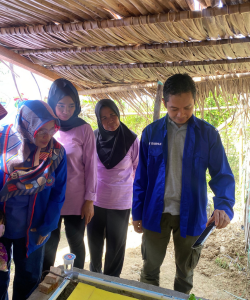
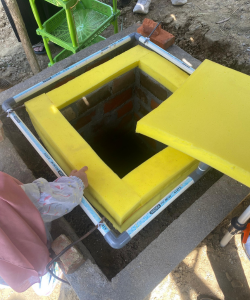
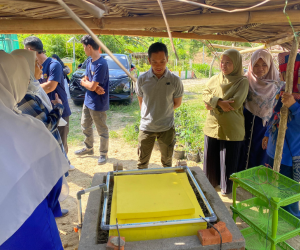
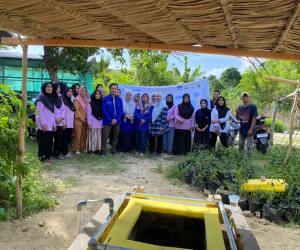
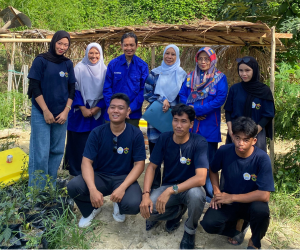
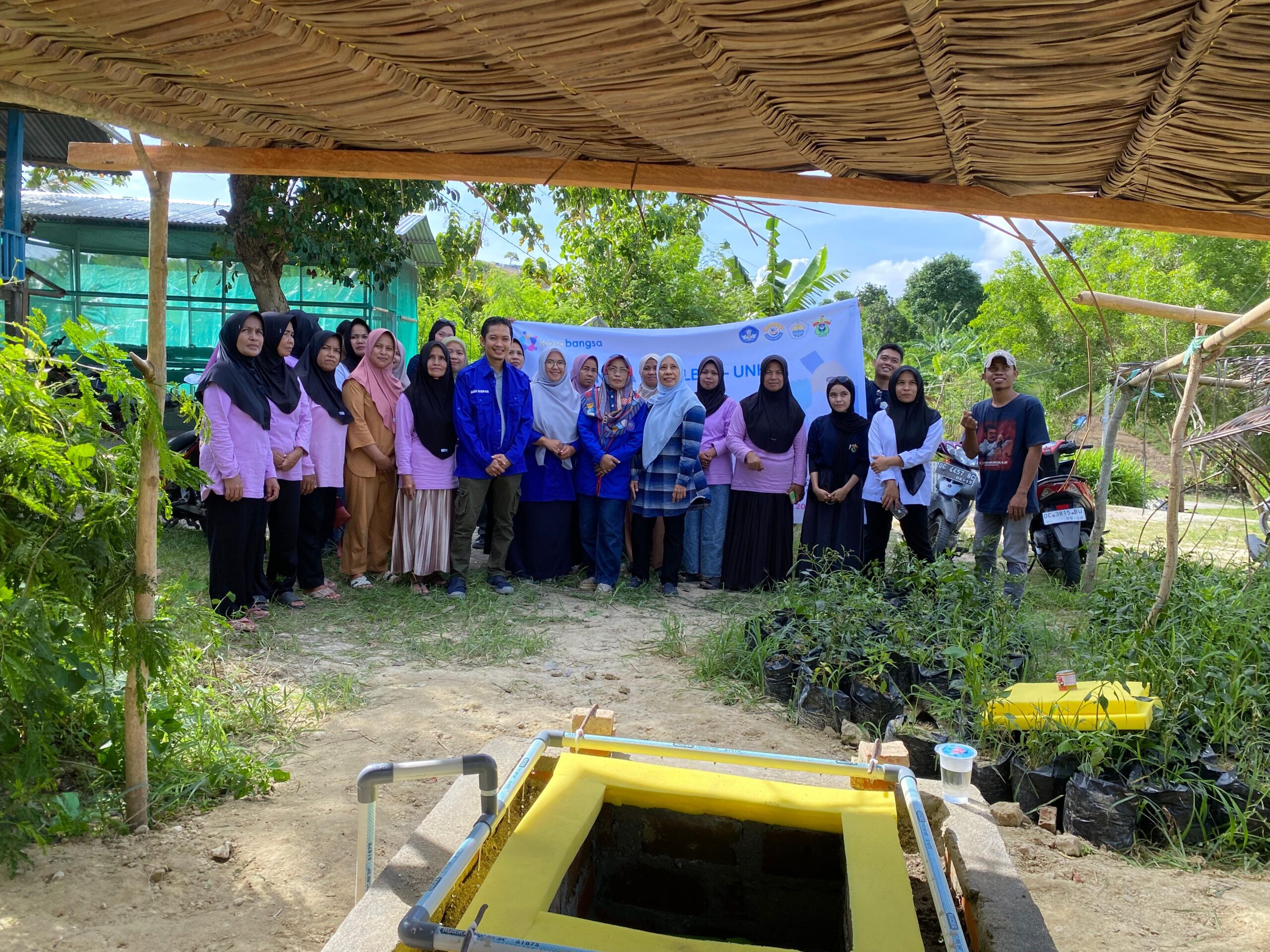
Majene – Prof. Ir. Andi Dirpan, S.TP., M.Si., Ph.D., from Hasanuddin University (Unhas) conducted a field visit to Majene Regency to provide direct assistance in the implementation of the KOSABANGSA Program run by the University of West Sulawesi (Unsulbar). The activity was carried out on 5 November 2025 and focused on the application of appropriate technology to promote the welfare of rural communities. The visit was carried out in Pamboborang Village, Banggae Subdistrict, which is the target location of the program. Professor Andi Dirpan and the Unsulbar team directly observed the progress of technology implementation activities, which included environmentally friendly cold storage, diversification of horticultural products, and the use of agricultural and livestock waste to increase farmers’ family income.
On this occasion, Prof. Andi Dirpan provided technical input, evaluation, and strategic direction so that technology implementation could be more effective and sustainable. He emphasized the importance of collaboration between universities and communities in strengthening innovation based on local needs. Unsulbar expressed its appreciation for Prof. Andi Dirpan’s presence and direct assistance, which was considered very helpful in improving the activities and ensuring that the program ran according to its objectives.
The KOSABANGSA program in Majene is a form of synergy between universities in promoting community service based on science and technology, while strengthening the community’s capacity in managing local resources.
This collaborative effort significantly contributes to the achievement of the Sustainable Development Goals (SDGs), particularly SDG 17 (Partnerships for the Goals) through the synergy between Unhas and Unsulbar in community service. The implementation of ZECC (Zero Energy Cool Chamber) technology and waste utilization directly supports SDG 15 (Life on Land) by promoting sustainable agricultural practices and SDG 1 (No Poverty) by enhancing farmers’ productivity and household income. Furthermore, by improving post-harvest quality and ensuring the availability of nutritious horticultural products, this program also aligns with SDG 3 (Good Health and Well-being).